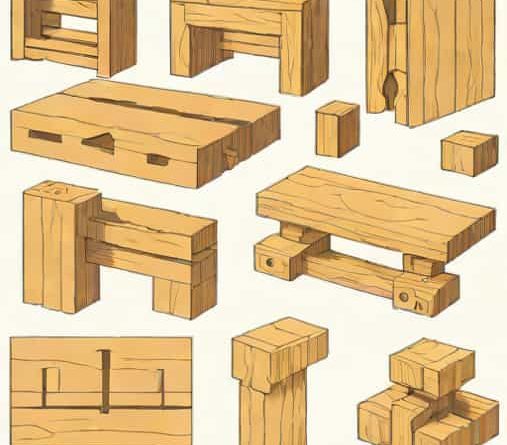
Common Uses Of Mortise And Tenon Joint
The mortise and tenon joint is one of the oldest and most reliable woodworking techniques, widely used for thousands of years in furniture making, timber framing, and various construction projects. Its simplicity, strength, and versatility make it an essential method for connecting two pieces of wood at right angles. Understanding the common uses of mortise and tenon joints can help both professional woodworkers and DIY enthusiasts appreciate their value and apply them effectively in a range of projects. This joint is not only functional but also contributes to the aesthetics and durability of wooden structures.
What is a Mortise and Tenon Joint?
A mortise and tenon joint consists of two parts the mortise, which is a cavity or slot cut into one piece of wood, and the tenon, a projection on the end of the other piece that fits snugly into the mortise. When joined together, this configuration provides a strong mechanical connection that can resist tension, compression, and shear forces. Traditionally, the joint can be secured with glue, wooden pegs, or pins, enhancing its stability and longevity.
Key Features
- Durability Mortise and tenon joints can withstand heavy loads and stress, making them ideal for structural applications.
- Versatility They can be used in furniture, doors, frames, and timber structures.
- Aesthetic appeal The joint can be crafted with precision to blend seamlessly into the design of the woodwork.
- Customizability Variations such as through mortise, blind mortise, and haunched tenon allow adaptation for specific needs.
Common Uses in Furniture Making
One of the most prevalent uses of mortise and tenon joints is in furniture construction. Chairs, tables, cabinets, and beds often rely on these joints to maintain structural integrity over time. The joint’s strength ensures that joints do not loosen with repeated use, providing long-lasting durability. For example, chair legs and rails are frequently connected using mortise and tenon joints to support the weight of the user without wobbling.
Tables and Benches
Tables and benches benefit from mortise and tenon joints because the joints can handle vertical and lateral forces. The legs are typically fitted into mortises in the table aprons or bench frames, ensuring a solid foundation that does not loosen under weight or movement. This is especially important for heavy-duty furniture used daily.
Cabinets and Frames
Cabinets, doors, and window frames often use mortise and tenon joints to connect stiles and rails. In cabinetry, the precision of these joints ensures that doors remain square and aligned over time. Through-tenon designs, where the tenon protrudes slightly for decorative effect, are also popular in high-quality cabinetry and woodworking projects.
Use in Timber Framing and Construction
Mortise and tenon joints are essential in timber framing, a construction technique that involves creating structures from heavy wooden beams. Historically, this method was used in the construction of barns, houses, and bridges before the widespread use of metal fasteners. Even today, timber frame buildings utilize these joints for their ability to bear substantial loads and resist lateral forces.
Beams and Columns
In timber framing, horizontal beams often connect to vertical columns using large mortise and tenon joints. This method ensures that the frame can support the weight of the roof and upper floors while remaining stable against wind or seismic activity. The joint’s precise fit and potential reinforcement with wooden pegs create a rigid framework capable of lasting for decades.
Roof Trusses
Mortise and tenon joints are also used in roof trusses and rafters. The joint allows rafters to be securely attached to the ridge beam or supporting posts, distributing weight evenly and providing structural stability. This technique is particularly important in traditional wooden roof designs where strength and precision are crucial.
Applications in Doors and Windows
Doors and windows commonly feature mortise and tenon joints in their frames. The stiles (vertical components) and rails (horizontal components) are joined using this method to ensure alignment and stability. In addition, mortise and tenon joints are used to create strong, long-lasting joints in door panels, preventing warping or sagging over time.
Doors
In door construction, the stiles and rails are connected with mortise and tenon joints to create a robust frame. This is particularly important for heavy wooden doors, where other fastening methods may not provide sufficient strength. The joint also allows for some decorative designs, such as through-tenons visible on the door surface.
Windows
Window frames benefit from the precise fit and strength of mortise and tenon joints. The connection between vertical and horizontal frame elements ensures that windows remain square and functional, even after years of exposure to environmental stressors such as wind and temperature changes.
Other Uses and Modern Adaptations
Beyond furniture, doors, and construction, mortise and tenon joints are also employed in specialty woodworking projects such as musical instruments, decorative wooden structures, and outdoor furniture. Modern woodworking sometimes incorporates machinery to cut mortises and tenons precisely, making the joint accessible even to hobbyists and DIY enthusiasts.
Musical Instruments
In instrument making, particularly for stringed instruments like harps and pianos, mortise and tenon joints can connect structural components. The precision and strength of the joint ensure that the instrument maintains its shape and resonance over time.
Outdoor Furniture and Gazebos
Outdoor wooden structures, such as gazebos, pergolas, and benches, use mortise and tenon joints to create sturdy frames capable of withstanding environmental stresses. The joints can be reinforced with wooden pegs or metal fasteners for additional stability while preserving a traditional woodworking appearance.
Advantages of Using Mortise and Tenon Joints
The widespread use of mortise and tenon joints is due to several key advantages
- StrengthThe joint can bear heavy loads and resist lateral forces.
- DurabilityProperly made joints can last for decades without loosening.
- VersatilitySuitable for furniture, timber framing, doors, windows, and decorative projects.
- Aesthetic AppealThe joint can be hidden for a seamless appearance or showcased as a design element.
- FlexibilityVariations such as through-tenons, blind tenons, and haunched tenons allow adaptation to different needs.
Mortise and tenon joints remain one of the most reliable and versatile woodworking techniques available. From furniture and cabinetry to timber framing, doors, windows, and outdoor structures, their common uses span both functional and aesthetic purposes. The joint’s ability to create strong, durable connections makes it invaluable in traditional and modern woodworking alike. By understanding the applications and advantages of mortise and tenon joints, woodworkers can ensure that their projects achieve both structural integrity and visual appeal, continuing a tradition that has stood the test of time for centuries.