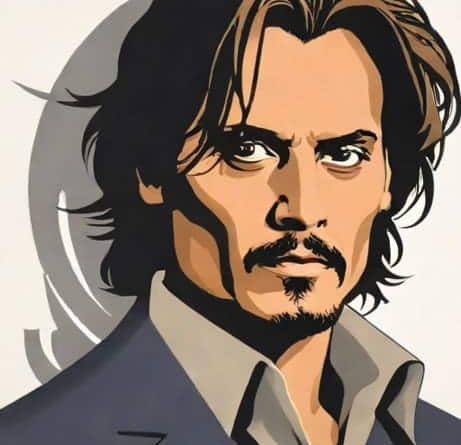
Dark Shadows Johnny Depp
Dark Shadows, starring Johnny Depp, is a film that blends gothic horror with dark comedy, drawing inspiration from the 1960s cult television series of the same name. The story follows the vampire Barnabas Collins, portrayed by Depp, as he awakens in the 1970s after being buried alive for two centuries. The film is notable for its unique visual style, eccentric characters, and Johnny Depp’s signature approach to quirky, gothic roles. Through Depp’s performance, Dark Shadows brings a mix of horror, humor, and period-specific culture to life, offering audiences both nostalgia and a modern cinematic twist. The movie also demonstrates Depp’s continued collaboration with director Tim Burton, a partnership known for its visually striking and thematically dark productions.
The Storyline of Dark Shadows
In Dark Shadows, the protagonist Barnabas Collins returns to his ancestral home, Collinwood Manor, which has fallen into disrepair. The once-prominent Collins family is now struggling with internal conflicts and the influence of supernatural forces. Barnabas’ awakening disrupts the lives of his descendants, including the eccentric and troubled members of the family, who each have their quirks and secrets. As he attempts to restore the family’s fortunes, Barnabas confronts witches, ghosts, and other supernatural beings, leading to a combination of suspenseful, humorous, and sometimes grotesque situations. The plot weaves together themes of love, betrayal, redemption, and the clash between centuries-old traditions and modernity.
Johnny Depp as Barnabas Collins
Johnny Depp’s portrayal of Barnabas Collins is central to the film’s appeal. Known for his transformative roles, Depp brings a blend of charm, melancholy, and dark humor to the character. His performance includes elaborate makeup, period costumes, and a carefully constructed gothic demeanor that reflects the character’s 18th-century origins. Depp’s interpretation emphasizes both the comedic and tragic elements of Barnabas, creating a multidimensional character who resonates with audiences. His approach to the role aligns with his broader career trend of playing unconventional, visually striking characters in collaboration with Tim Burton.
Director Tim Burton’s Vision
Tim Burton’s directorial style is a significant factor in the atmosphere and tone of Dark Shadows. The film exhibits Burton’s trademark gothic aesthetic, featuring exaggerated architecture, eerie landscapes, and whimsical yet macabre visual elements. The color palette, set design, and costume design all contribute to a world that is both fantastical and grounded in the cultural context of the 1970s. Burton’s ability to balance humor and horror allows the film to maintain a playful tone despite its dark themes. Additionally, his longstanding collaboration with Johnny Depp ensures a seamless integration of character, performance, and visual storytelling.
Supporting Characters and Ensemble Cast
Alongside Johnny Depp, the film features a talented ensemble cast that adds depth and complexity to the story. Michelle Pfeiffer plays Elizabeth Collins Stoddard, the stern matriarch of the family, while Helena Bonham Carter portrays the witch Angelique Bouchard, whose vengeful actions drive much of the conflict. Other cast members include Chloe Grace Moretz, Bella Heathcote, and Eva Green, each contributing to the narrative with their unique performances. The interactions between these characters, combined with Depp’s central role, create a dynamic ensemble that balances comedic timing with supernatural intrigue.
Visual and Special Effects
Dark Shadows relies heavily on visual effects to create its supernatural elements, including vampires, ghosts, and magical occurrences. The film combines practical effects with computer-generated imagery to achieve a visually immersive experience. Depp’s makeup and prosthetics transform him into the centuries-old vampire, while set designs reflect both the grandeur and decay of Collinwood Manor. The use of special effects enhances the storytelling by emphasizing the contrast between the mundane aspects of 1970s life and the gothic, fantastical world that Barnabas inhabits. These elements contribute to the film’s overall aesthetic, which is both whimsical and eerie.
Music and Sound Design
The musical score and sound design in Dark Shadows play an essential role in establishing mood and atmosphere. Composer Danny Elfman, a frequent collaborator with Tim Burton, provides a soundtrack that combines haunting melodies with playful motifs. The music underscores both the comedic and suspenseful scenes, enhancing audience engagement and emotional resonance. Sound effects, from eerie whispers to supernatural sounds, complement the visual design and help immerse viewers in the gothic world of the film.
Reception and Critique
Upon release, Dark Shadows received mixed reviews from critics and audiences. While many praised Johnny Depp’s performance and the film’s visual style, some criticized the narrative for lacking coherence and depth compared to classic Burton-Depp collaborations. The film’s humor, which blends campy elements with dark themes, was polarizing, appealing to fans of gothic comedy but alienating viewers seeking a more traditional horror or drama experience. Nevertheless, Dark Shadows maintains a cult following, particularly among audiences who appreciate Burton’s signature style and Depp’s idiosyncratic performances.
Box Office Performance
Commercially, Dark Shadows performed moderately at the box office, with its appeal largely driven by Johnny Depp’s star power and Tim Burton’s directorial reputation. The film attracted viewers familiar with the original television series, as well as new audiences drawn to its unique blend of horror, comedy, and period drama. While not a blockbuster, the movie reinforced Depp’s association with eccentric and gothic roles and highlighted Burton’s continued influence in creating visually distinctive films.
Legacy and Cultural Impact
Dark Shadows contributes to the legacy of both Johnny Depp and Tim Burton in the realm of gothic storytelling. Depp’s portrayal of Barnabas Collins adds to his collection of iconic characters, characterized by quirkiness, complexity, and visual transformation. The film also reinforces the ongoing appeal of gothic comedy, demonstrating how classic horror tropes can be reimagined for contemporary audiences. Additionally, Dark Shadows serves as a modern homage to the original television series, preserving its campy charm while introducing new cinematic techniques and storytelling approaches.
Merchandising and Fandom
- Collectors’ editions and DVDs feature behind-the-scenes footage and interviews with Johnny Depp and the cast.
- Cosplay communities often recreate Barnabas Collins’ distinctive costume and makeup for events and conventions.
- Online fan communities discuss plot elements, performances, and Burton’s stylistic choices.
- Merchandise includes themed apparel, posters, and memorabilia celebrating the gothic aesthetic of the film.
Dark Shadows, starring Johnny Depp, stands as a unique entry in the realm of gothic cinematic storytelling, blending dark humor, supernatural elements, and 1970s cultural context. Depp’s performance as Barnabas Collins, coupled with Tim Burton’s distinctive visual and narrative style, creates a film that is both entertaining and stylistically memorable. While the film received mixed critical reception, its contribution to the gothic genre, its homage to a classic television series, and the continued fascination with Depp’s transformative roles ensure its lasting impact. Fans of gothic comedy, period drama, and eccentric performances continue to appreciate Dark Shadows for its quirky charm, visual creativity, and the iconic portrayal of a centuries-old vampire navigating a modernizing world.