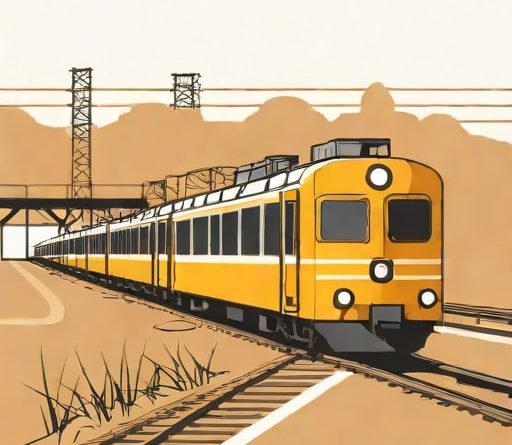
Desperados Waiting For A Train
Among the timeless songs in the world of country and Americana music, Desperados Waiting for a Train stands out as one of the most emotionally charged and storytelling-rich ballads ever written. The song captures themes of friendship, aging, nostalgia, and the fleeting nature of time. It resonates deeply with anyone who has watched generations change before their eyes. Though it’s often remembered for its haunting melody, what makes it truly special is the narrative heart that connects listeners to the characters within it the young man and his aging mentor. Over the decades, Desperados Waiting for a Train has become a cultural landmark, reinterpreted by many artists and embraced as a symbol of Americana music’s emotional depth.
Origins of Desperados Waiting for a Train
The song Desperados Waiting for a Train was written by Texas songwriter Guy Clark in the early 1970s. Like much of Clark’s work, the song draws on personal memories and storytelling traditions from the American South and Southwest. Clark wrote the song as a tribute to a real-life figure from his childhood an old man who had a profound impact on him while growing up in Texas. This character becomes the emotional centerpiece of the song, representing wisdom, resilience, and the bittersweet process of growing old in a changing world.
Clark’s gift as a songwriter lies in his ability to turn simple human experiences into poetic narratives. Desperados Waiting for a Train isn’t just about loss or nostalgia; it’s about connection how people pass on lessons, humor, and dignity even in the face of inevitable mortality. When Clark later included it on his debut albumOld No. 1in 1975, it instantly became one of his most recognized works and one of the defining songs of the outlaw country movement.
Lyrics and Themes
At its core, Desperados Waiting for a Train is a song about two people from different generations who share an unlikely friendship. The young narrator looks up to an old man who has lived a colorful life filled with stories of oil fields, poker games, and hard-earned wisdom. Over time, the relationship evolves from hero worship to companionship, and ultimately to the sadness of watching someone fade away.
The lyrics are rich with imagery and emotion, describing moments of laughter and mentorship. Lines like He’s one of the heroes of this country and He’s a drifter and a driller of oil wells paint vivid pictures of a man who has seen it all but remains humble. The metaphor of desperados waiting for a train becomes a powerful symbol for the passage of time suggesting that, in some ways, we’re all waiting for our final destination, much like outlaws waiting for the inevitable.
Major Themes in the Song
- MortalityThe song reflects on life’s impermanence and the inevitable decline of age.
- FriendshipThe bond between the narrator and the old man is filled with warmth and mutual respect.
- MentorshipThe older figure becomes a moral and emotional guide for the younger man.
- NostalgiaThe story captures the longing for the past and the people who shaped our lives.
- IdentityThe desperado metaphor represents people living on the edge of time, holding onto dignity amid change.
Each verse builds upon these themes, creating an emotional journey that feels deeply human and universal. Even for those unfamiliar with cowboy imagery or Texas culture, the message of love and loss transcends boundaries.
Guy Clark’s Storytelling Style
Guy Clark’s storytelling approach was grounded in authenticity. His songs often sound like short stories set to music, with each line contributing to character development and mood. Desperados Waiting for a Train is a prime example of his ability to combine poetry with plainspoken honesty. The song doesn’t rely on fancy words or dramatic structure; instead, it uses everyday language to convey something profound.
Clark’s voice calm, gravelly, and sincere makes listeners feel like they’re sitting around a campfire hearing a friend recall a memory. This natural storytelling tone became a defining trait of the Texas songwriter tradition, influencing generations of artists who valued truth and simplicity over commercial polish.
Notable Recordings and Versions
While Guy Clark’s version remains the definitive one for many fans, Desperados Waiting for a Train has been covered by numerous artists across genres, each bringing their own flavor to the timeless song. Some of the most notable versions include
- Jerry Jeff WalkerOne of the earliest recordings, released in 1973, helped introduce the song to a wider audience.
- The HighwaymenThe supergroup featuring Willie Nelson, Johnny Cash, Waylon Jennings, and Kris Kristofferson released a memorable version in 1985, bringing a rugged, collective voice to the ballad.
- Tom Rush and David Allan CoeTheir interpretations highlighted different aspects of the song’s emotional tone Rush’s gentle melancholy and Coe’s raw, country grit.
- Nanci GriffithHer version onOther Voices, Toooffered a tender, reflective reading of the song from a female perspective.
Each rendition preserves the heart of Clark’s composition while showing how universal its message is. Whether sung by a band of legends or a solo troubadour, the song retains its power to evoke reflection and empathy.
Cultural Impact and Legacy
Desperados Waiting for a Train has become more than just a song it’s a cultural touchstone in American music. It represents the emotional depth of the outlaw country era, a movement that rejected the polished Nashville sound in favor of honesty and grit. The song’s characters, the aging drifter and the young observer, symbolize the passing of wisdom between generations, an idea that resonates in all cultures and times.
In film and television, the song has been used to evoke a sense of Americana and introspection. Its slow, wistful rhythm fits perfectly with scenes of reflection, desert landscapes, and the passage of time. More than anything, it continues to serve as a reminder that great songs can tell stories that feel as real as life itself.
The Outlaw Country Connection
During the 1970s, artists like Willie Nelson, Waylon Jennings, and Guy Clark were reshaping the sound of country music. They brought back storytelling and authenticity, breaking away from the overly produced Nashville formulas. Desperados Waiting for a Train became an anthem of this movement a song that celebrated individuality, rebellion, and emotional truth. Its title itself invokes the imagery of outsiders and dreamers, fitting perfectly within the outlaw spirit.
Emotional Resonance and Interpretation
One of the reasons Desperados Waiting for a Train endures is its emotional accessibility. It’s a song that can mean something different to each listener. For some, it’s a reminder of their grandparents; for others, it’s about mentors, friends, or the fleeting nature of time. The line Like desperados waiting for a train suggests that we are all travelers, aware of our destination but unsure when we’ll arrive. It’s a poetic acknowledgment of mortality and the beauty of companionship along the way.
The song’s simplicity makes it easy to connect with. It doesn’t preach or moralize; instead, it invites reflection. The relationship between the narrator and the old man is universal a reminder that wisdom often comes from unlikely places, and love can transcend generations.
Musical Composition and Arrangement
Musically, Desperados Waiting for a Train combines traditional country elements with folk influences. The melody is gentle yet somber, supported by acoustic guitar, steel guitar, and occasional harmonica. The tempo is moderate, allowing the lyrics to breathe and the story to unfold naturally. The simplicity of the arrangement ensures that the focus remains on the words and emotions.
When performed live, the song often takes on an even more intimate quality. Artists tend to slow it down, letting the audience feel every line. Its repetitive chorus acts as a meditation not just a refrain, but a shared acknowledgment of life’s impermanence.
Why It Still Matters Today
Decades after its release, Desperados Waiting for a Train continues to touch new generations of listeners. Its timeless message about friendship, aging, and loss feels even more relevant in today’s fast-paced world. The song reminds people of the importance of human connection, memory, and respect for those who came before us.
In an era where music often focuses on speed and production, Guy Clark’s masterpiece remains a shining example of storytelling at its purest. It reminds us that songs can be more than entertainment they can be living memories, carried forward from one listener to another like stories told around a fire.
Desperados Waiting for a Train is more than a classic country song; it’s a poetic reflection on the human experience. From Guy Clark’s intimate storytelling to the song’s many heartfelt renditions, it continues to inspire emotion and introspection. The imagery of old friends, fading memories, and the endless wait for a train we all must someday board captures something essential about life itself. In every strum of the guitar and every repetition of that haunting chorus, the song reminds us that while time moves on, the stories and people we cherish never truly fade away.