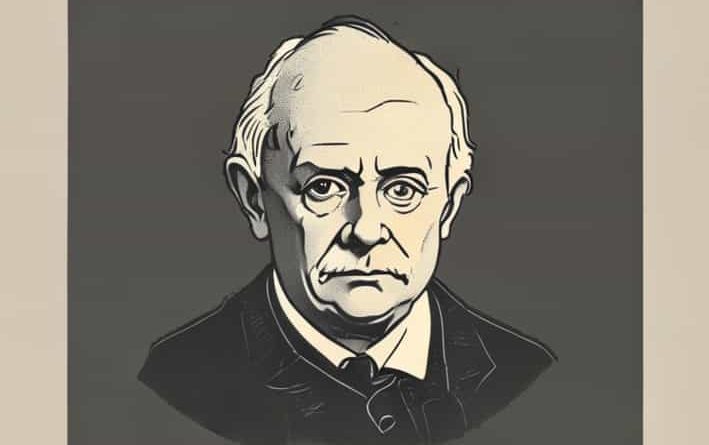
Dilema Do Porco Espinho Schopenhauer
The dilemma of the porcupine, or Dilema do Porco-Espinho, is a philosophical metaphor introduced by the German philosopher Arthur Schopenhauer to illustrate the challenges of human intimacy and social interaction. In his writings, Schopenhauer compares humans to porcupines during cold weather they seek closeness to share warmth, yet their spines can injure one another if they come too close. This analogy reflects the tension between the desire for connection and the potential pain that intimacy can bring, capturing a universal aspect of human experience. The porcupine dilemma has influenced not only philosophy but also psychology, ethics, and social theory, providing insight into the delicate balance between personal boundaries and relational closeness.
Origins of the Porcupine Dilemma
Arthur Schopenhauer, writing in the 19th century, was deeply interested in the nature of human suffering and desire. In his philosophical work, he explored the tension between the need for social connection and the inevitability of conflict or harm in relationships. The porcupine dilemma serves as a vivid metaphor for these observations. Schopenhauer noticed that, like porcupines huddling together for warmth in cold climates, humans instinctively seek companionship for comfort and support. Yet, just as porcupines risk pricking each other with their quills, human interactions carry the risk of emotional hurt, misunderstandings, or disappointment.
Philosophical Implications
The porcupine dilemma carries significant philosophical implications. It reflects Schopenhauer’s broader pessimistic worldview, emphasizing the inherent suffering and limitations in human existence. The dilemma suggests that while human beings crave intimacy, complete closeness is impossible without some level of conflict or pain. In other words, relational closeness always involves a trade-off the warmth of connection comes with the risk of emotional harm. This tension illustrates the challenges of achieving personal fulfillment and highlights the complexity of social bonds.
Psychological Interpretations
Beyond philosophy, the porcupine dilemma has inspired psychological interpretations. Psychologists often use the metaphor to explain human behavior in relationships, particularly in terms of attachment, emotional boundaries, and interpersonal sensitivity. The concept aligns with theories of social distance and personal space, suggesting that individuals must balance their need for intimacy with the need to protect themselves from emotional harm. In therapy and counseling, the porcupine dilemma is frequently invoked to help clients understand why they might struggle with closeness or maintain emotional distance even from those they care about.
Applications in Social Behavior
The porcupine dilemma also has practical applications in understanding everyday social behavior. Some key insights include
- Balancing Intimacy and IndependenceIndividuals must navigate the tension between being emotionally close and maintaining personal boundaries to prevent harm or resentment.
- Conflict ResolutionRecognizing the inevitability of occasional emotional pricks can encourage more compassionate and patient responses in social interactions.
- Self-AwarenessUnderstanding one’s own sensitivities and limitations allows for healthier relationships, reducing unnecessary suffering.
- Relationship DynamicsCouples, families, and social groups can benefit from acknowledging the natural tension between connection and conflict, fostering strategies to manage relational challenges.
Cultural Impact
Since its introduction, the porcupine dilemma has permeated popular culture, self-help literature, and social psychology. The metaphor has been adapted in books, workshops, and seminars to help people navigate the complexities of human relationships. Its appeal lies in its simplicity and universality everyone experiences the need for connection and the potential for interpersonal pain. By framing these experiences through the porcupine metaphor, Schopenhauer provided a tool for reflection that continues to resonate across cultures and disciplines.
Relation to Modern Psychology
Modern psychology often frames the porcupine dilemma in terms of attachment theory and relational dynamics. For example, individuals with secure attachment may be more comfortable navigating closeness without excessive fear of harm, while those with anxious or avoidant tendencies may struggle to balance intimacy with self-protection. The metaphor helps explain behaviors such as emotional withdrawal, over-dependence, or difficulties in forming stable relationships. Therapists use this framework to help clients recognize patterns and develop strategies for healthier engagement with others.
Ethical and Social Considerations
The porcupine dilemma also raises ethical and social questions about human interaction. For instance, it highlights the moral responsibility to respect others’ boundaries while seeking connection. Social norms and cultural values play a role in how individuals negotiate the tension between closeness and harm. In community settings, workplaces, or families, understanding this dilemma can promote empathy, reduce conflict, and encourage cooperative behavior. Recognizing that everyone has quills – or personal limitations – fosters patience and tolerance in diverse social contexts.
Managing the Dilemma in Daily Life
Applying the porcupine dilemma in daily life involves practical strategies to balance intimacy and protection
- CommunicationOpen dialogue helps individuals express needs and boundaries clearly, reducing misunderstandings.
- EmpathyRecognizing the vulnerabilities of others promotes compassion and prevents unnecessary emotional harm.
- Self-ReflectionAssessing one’s own limitations and sensitivities allows for more mindful interactions.
- Gradual ClosenessDeveloping relationships slowly, with attention to mutual comfort, can mitigate the risks associated with emotional proximity.
The dilemma of the porcupine offers a timeless perspective on the complexities of human relationships. Schopenhauer’s metaphor encapsulates the tension between the desire for intimacy and the inevitability of emotional pain, providing insight into both personal and social dynamics. Its relevance spans philosophy, psychology, ethics, and everyday life, demonstrating how a simple analogy can illuminate profound truths about human behavior. By understanding the porcupine dilemma, individuals can approach relationships with greater awareness, empathy, and patience, navigating the delicate balance between connection and self-protection.
final remarkss
In summary, Schopenhauer’s porcupine dilemma continues to offer valuable lessons for understanding human interaction. It reminds us that while relationships can be a source of warmth and comfort, they also carry inherent risks. By acknowledging this duality, individuals can cultivate more mindful and resilient approaches to social life. The metaphor endures because it captures a universal human experience the ongoing negotiation between closeness and self-preservation, illustrating both the beauty and the challenge of meaningful connections.