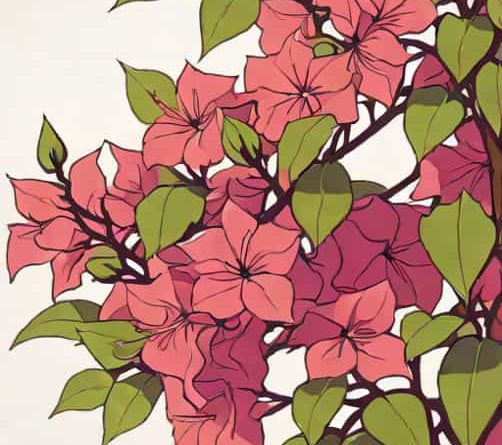
Does Bougainvillea Have Thorns
Bougainvillea is a popular ornamental plant known for its vibrant and colorful bracts that adorn gardens, fences, and trellises around the world. Its striking appearance and ability to thrive in warm climates make it a favorite for gardeners and landscapers. While many people appreciate bougainvillea for its beauty, an important question arises for anyone handling or planting it does bougainvillea have thorns? Understanding the nature of bougainvillea’s thorns, their purpose, and how to manage them is crucial for safe planting, maintenance, and landscaping practices.
Understanding Bougainvillea Plants
Bougainvillea belongs to the family Nyctaginaceae and includes several species and hybrids. Native to South America, this plant has become widely cultivated in tropical and subtropical regions. Bougainvillea can grow as a vine, shrub, or even a small tree, depending on the variety and growing conditions. Its signature feature is the colorful bracts that surround small, inconspicuous flowers, creating the illusion of large, vivid blooms. Beyond its aesthetic appeal, bougainvillea is valued for its resilience, drought tolerance, and ability to provide natural privacy barriers.
Physical Characteristics
- Leafy stems that may be woody at the base, becoming more flexible towards the tips.
- Clusters of small, tubular flowers often hidden beneath brightly colored bracts.
- Thorns or spines along stems, which can vary in size and density depending on the species and variety.
Do Bougainvillea Plants Have Thorns?
Yes, most bougainvillea plants have thorns, although their size, shape, and density can vary between species and varieties. These thorns are sharp and pointed, located along the stems, and serve as a natural defense mechanism against herbivores. While they are generally small, they can be painful if touched or brushed against accidentally. Gardeners and landscapers need to be aware of these thorns when handling, pruning, or training bougainvillea vines on trellises or fences.
Function of Thorns
The thorns on bougainvillea serve several purposes
- ProtectionThorns deter animals from eating the plant’s leaves, stems, or flowers.
- SupportWhen growing as a climbing vine, thorns help the plant attach to surfaces such as fences, trellises, or walls, providing additional stability.
- SurvivalIn its native environment, thorns increase the plant’s chances of survival by reducing the likelihood of damage from herbivores.
Types and Variations of Thorns
Bougainvillea thorns can differ depending on the species, cultivar, and age of the plant. Some common variations include
- Short, fine thornsFound mostly on newer growth and easier to manage with careful handling.
- Long, rigid thornsPresent on mature stems, these can cause scratches or punctures if not handled carefully.
- Clustered thornsSome varieties have multiple thorns grouped along a section of stem, increasing the risk of injury.
Species Differences
Different bougainvillea species, such as Bougainvillea glabra, Bougainvillea spectabilis, and Bougainvillea peruviana, have slightly different thorn characteristics. For example, Bougainvillea glabra often has more delicate thorns, while Bougainvillea spectabilis may have longer and more rigid thorns. Gardeners should research the specific species or cultivar they are planting to anticipate thorn size and density.
Handling Bougainvillea Safely
Because bougainvillea thorns are sharp and can cause minor injuries, handling the plant with care is important. Gardeners should take several precautions to avoid scratches, punctures, or irritation
- Wear thick gloves when pruning, training, or transplanting bougainvillea.
- Use long sleeves and protective clothing to prevent scratches on arms and legs.
- Employ pruning tools such as shears or loppers rather than using bare hands to manipulate the plant.
- Be cautious when planting bougainvillea near walkways, fences, or areas frequented by children and pets.
Pruning and Maintenance
Regular pruning helps maintain bougainvillea’s shape, encourages blooming, and reduces the density of thorns along accessible stems. Cutting back older or overgrown branches can make the plant safer to work with and easier to train along trellises or arbors. Removing damaged or dead stems also improves overall plant health while minimizing thorn-related risks.
Landscaping Considerations
Thorns are an important factor to consider when incorporating bougainvillea into gardens or public spaces. While they provide natural security by deterring animals and intruders, they can also pose hazards if planted in high-traffic areas. Using bougainvillea as a privacy hedge, barrier, or decorative climbing plant can be highly effective, but careful placement and proper maintenance are essential to prevent accidental injuries.
Alternatives for Safer Planting
For gardeners concerned about thorns, several alternatives and techniques can minimize risk
- Choose thornless or low-thorn bougainvillea cultivars, which are increasingly available from nurseries.
- Train the plant along elevated trellises or walls, keeping thorns out of reach.
- Incorporate thorny bougainvillea in areas with minimal human contact, such as back fences or private garden corners.
- Regularly prune thorny branches to control accessibility and improve safety.
In summary, bougainvillea does have thorns, which vary in size, density, and sharpness depending on the species and variety. These thorns serve as protection, support, and survival mechanisms for the plant. While they add a layer of defense and can even be useful in landscaping as natural barriers, they also require careful handling to prevent injury. Gardeners should wear protective clothing, use proper pruning techniques, and consider thorn density when selecting bougainvillea for their garden. By understanding and respecting the presence of thorns, homeowners can enjoy the vibrant beauty of bougainvillea while minimizing potential hazards, making it a safe and attractive addition to any outdoor space.