Does Patchouli Smell Like Weed
Patchouli is one of those scents that has divided opinions for decades. Some people love its rich, earthy, and musky aroma, while others find it overpowering or reminiscent of something less pleasant. One of the most common questions people ask is whether patchouli smells like weed. This comparison has existed since the 1960s, largely due to the cultural associations between patchouli and the counterculture movement. But does patchouli really smell like cannabis, or is it just a case of mistaken identity? To understand the truth, it helps to look closely at the fragrance profiles, chemistry, and perception behind both scents.
Understanding What Patchouli Smells Like
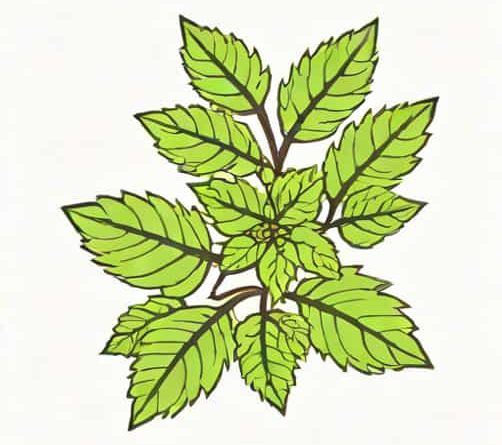
Patchouli is an essential oil derived from the leaves of the Pogostemon cablin plant, which belongs to the mint family. Native to tropical regions of Asia, particularly Indonesia and the Philippines, patchouli oil has been used for centuries in perfumes, incense, and even insect repellents. The scent is often described as earthy, woody, spicy, and slightly sweet. It carries a rich depth that makes it a favorite base note in many perfumes.
When first extracted, patchouli oil can smell quite sharp or even medicinal, but as it ages, the aroma deepens and becomes smoother and more complex. High-quality, well-aged patchouli oil is known for its luxurious, grounding character. Many people associate it with bohemian style or spiritual practices due to its widespread use in incense and natural fragrances.
What Weed Actually Smells Like
Cannabis, commonly known as weed or marijuana, has a distinctive scent that varies based on strain and cultivation methods. Its smell is typically described as skunky, herbal, earthy, or piney, with some strains offering hints of citrus or spice. The aroma of cannabis comes from compounds known as terpenes-organic chemicals found in many plants, including patchouli. Terpenes are what give plants their characteristic aromas and also play a role in their therapeutic effects.
Some of the dominant terpenes in cannabis include myrcene, limonene, pinene, and caryophyllene. Myrcene, in particular, is known for its earthy and musky scent, and it’s also present in patchouli oil. This shared chemical component is one of the main reasons why the two scents may smell somewhat similar to certain people.
Why People Think Patchouli Smells Like Weed
The connection between patchouli and weed isn’t just about chemistry-it’s also cultural and historical. In the 1960s and 1970s, patchouli oil became closely associated with the hippie movement, where it was often used to mask the smell of marijuana. People who smoked weed would apply patchouli to their clothes and skin to disguise the odor, as the essential oil’s strong and long-lasting aroma could easily cover other scents.
Over time, this association led to a kind of sensory conditioning. When people smelled patchouli, they were reminded of cannabis, even if none was present. The connection between the two smells became psychological as well as chemical. Today, even those who weren’t part of that generation may make the same association because of its enduring reputation.
Comparing the Fragrance Notes
Although patchouli and weed can share certain earthy undertones, they are quite different when analyzed side by side. Patchouli is more refined and layered, while cannabis has a more pungent, resinous scent. Here’s a closer look at how they differ
- PatchouliEarthy, woody, slightly sweet, and spicy, with hints of musk and balsam. The scent becomes smoother and warmer as the oil ages.
- CannabisSharp, skunky, herbal, and sometimes citrusy or pine-like depending on the strain. The smell tends to be more acrid and less refined.
In perfumery, patchouli is often used as a grounding base note that adds depth and longevity to fragrances. Cannabis notes, on the other hand, are sometimes replicated synthetically in modern perfumery to create edgy or unconventional scents-but they rarely smell identical to real marijuana. The similarity, therefore, lies more in their shared earthy qualities than in their overall profiles.
The Role of Terpenes
As mentioned earlier, terpenes are key to understanding why patchouli and weed may smell alike to some noses. Patchouli oil contains sesquiterpenes such as patchoulol and norpatchoulenol, which are responsible for its deep, woody scent. Cannabis, meanwhile, contains monoterpenes and sesquiterpenes like myrcene and caryophyllene, which also contribute to an earthy, musky aroma.
Myrcene, in particular, is a major overlap. It has a characteristic smell that is earthy, clove-like, and slightly fruity, and it appears in both patchouli and certain strains of cannabis. This shared compound is one reason the two scents can seem similar, especially to those sensitive to musky or herbal notes.
Patchouli in Modern Perfumery
While patchouli’s reputation has fluctuated over time, it remains a cornerstone in the world of fragrance. Modern perfumers often blend patchouli with floral, citrus, or vanilla notes to create balanced and elegant scents that are far removed from the hippie stereotype. In high-end perfumes, patchouli adds sophistication and depth, especially when paired with ingredients like rose, sandalwood, or amber.
Interestingly, some contemporary perfumes have begun experimenting with cannabis-inspired accords-not to mimic weed exactly, but to evoke a sense of greenery, freedom, and modernity. These fragrances may combine patchouli, vetiver, and herbal notes to achieve that effect without being overpowering or literal.
Perception and Personal Sensitivity
It’s important to note that scent perception is highly subjective. Two people can smell the same thing and interpret it in completely different ways. Cultural background, personal experiences, and even genetics influence how individuals perceive certain aromas. For instance, someone who associates patchouli with incense or spirituality may find it relaxing, while another person might think of old clothes or smoke-filled rooms.
Similarly, if someone grew up around cannabis use, they might immediately link patchouli with that smell. In contrast, a person unfamiliar with marijuana might describe patchouli as simply earthy or woody, with no connection at all. Therefore, whether patchouli smells like weed largely depends on the individual’s personal associations and experiences.
How to Appreciate Patchouli’s Unique Character
If you want to enjoy patchouli without the weed-like association, choosing a blended fragrance is the best approach. When mixed with lighter notes, patchouli becomes smoother and more approachable. Some excellent combinations include
- Patchouli and CitrusThe brightness of lemon, bergamot, or orange balances the heaviness of patchouli.
- Patchouli and VanillaAdds warmth and sweetness, creating a comforting, sensual aroma.
- Patchouli and Floral NotesRose or jasmine softens patchouli’s intensity and enhances its sophistication.
By exploring different blends, you can discover the beauty of patchouli without focusing on its earthier aspects that some may find reminiscent of cannabis.
So, does patchouli smell like weed? The answer is sometimes, but not exactly. While both share some earthy and musky terpenes, their overall aromas are distinct. The comparison often comes from cultural history and personal perception rather than true similarity. Patchouli is a complex, rich fragrance with deep roots in perfumery and aromatherapy, while cannabis has a sharper, more resinous profile. Appreciating patchouli for its depth and versatility means recognizing its individuality-and understanding that its misunderstood reputation doesn’t define its timeless charm.