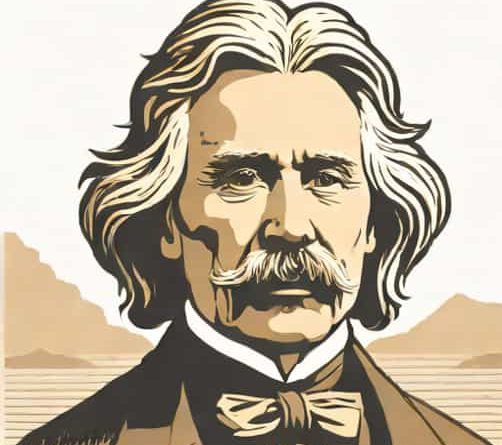
Edvard Grieg Most Famous Piece
Edvard Grieg, one of Norway’s most celebrated composers, left an indelible mark on classical music with his emotionally rich and folk-inspired compositions. Known for bringing the sounds of his homeland to the concert halls of Europe, Grieg captured both the majesty and melancholy of the Nordic landscape. Among his many works, one piece stands out as his most famous In the Hall of the Mountain King. This dramatic and instantly recognizable composition remains a cornerstone of classical repertoire and continues to influence film, television, and popular culture even more than a century after Grieg’s death.
Who Was Edvard Grieg?
Edvard Hagerup Grieg was born in Bergen, Norway, in 1843. A child prodigy, he studied piano at the Leipzig Conservatory in Germany, where he was exposed to the music of Schumann, Mendelssohn, and Chopin. Despite his formal education, Grieg was deeply inspired by Norwegian folk traditions, which became the foundation of his musical identity. His works combined the lyricism of Romantic music with the unique rhythms and harmonies of Scandinavian melodies. Grieg’s mission was to create a distinctly Norwegian sound, and in doing so, he helped define his nation’s musical identity on the world stage.
The Origin of In the Hall of the Mountain King
Grieg composed In the Hall of the Mountain King in 1875 as part of the incidental music for Henrik Ibsen’s play Peer Gynt. The play tells the story of Peer Gynt, a young and ambitious Norwegian man whose journey takes him through fantasy and self-discovery. Grieg was commissioned to create music that would accompany the play’s scenes, enhancing its emotional and dramatic effect. Among the various movements he composed, In the Hall of the Mountain King was meant to depict Peer’s encounter with the trolls in the mountain hall of the troll king.
The piece’s growing intensity mirrors Peer’s rising panic as he tries to escape from the trolls. Grieg himself reportedly found the composition somewhat humorous, even calling it something for the imagination of cowards, yet it became the most iconic part of the Peer Gynt Suite No. 1. Today, it’s hard to find anyone who hasn’t heard its thrilling melody, whether in a concert hall, a cartoon, or a movie soundtrack.
Musical Characteristics of the Piece
In the Hall of the Mountain King is celebrated for its clever use of repetition, tempo, and dynamics. The piece begins softly and slowly, with a simple, creeping melody played by the lower strings and bassoons. As the music progresses, the tempo accelerates, and the volume increases with each repetition, creating a feeling of suspense and chaos. By the end, the entire orchestra is playing at a frenzied pace, mimicking the sound of Peer being chased through the troll king’s cavern.
Instrumentation and Structure
- InstrumentationThe piece uses the full power of the orchestra, including strings, woodwinds, brass, and percussion. Each section contributes to the escalating drama.
- MelodyThe main theme is simple, almost like a folk tune, but its rhythmic drive gives it a hypnotic quality.
- DynamicsOne of the most distinctive features is the gradual crescendo – it starts almost inaudibly and ends in a roaring fortissimo.
- TempoThe tempo doubles as the piece unfolds, adding urgency and excitement.
This masterful control of pacing and intensity is what makes the piece so memorable. It demonstrates Grieg’s genius for using simple musical ideas to produce powerful emotional effects.
Other Famous Works by Edvard Grieg
Although In the Hall of the Mountain King is Grieg’s most recognizable composition, he produced many other masterpieces that showcase his lyrical style and connection to Norwegian culture. Some of his other notable works include
- Piano Concerto in A minor, Op. 16This is perhaps Grieg’s most important large-scale work. Its dramatic opening and lyrical middle movement have made it a favorite among pianists worldwide.
- Morning MoodAnother piece from the Peer Gynt Suite, this serene composition evokes the beauty of dawn and the awakening of nature.
- Lyric PiecesA collection of 66 short piano works written over several decades, each capturing a different mood or scene from everyday life in Norway.
- Holberg SuiteWritten for piano and later arranged for string orchestra, this suite combines Baroque-inspired form with Grieg’s Romantic sensibilities.
These works, like In the Hall of the Mountain King, demonstrate Grieg’s ability to translate natural landscapes and human emotions into vivid musical language.
The Cultural Impact of In the Hall of the Mountain King
Few classical pieces have had as wide and lasting an impact on popular culture as Grieg’s In the Hall of the Mountain King. Its distinctive melody has appeared in countless films, commercials, television shows, and even video games. The piece’s escalating tension makes it perfect for scenes involving suspense, chase sequences, or comic chaos.
Use in Popular Media
Over the years, the tune has been adapted in a variety of ways. It has appeared in animated classics, advertisements, and even rock and metal arrangements. Bands like The Who and Apocalyptica have performed versions of the piece, showcasing its adaptability across genres. Its rhythm and recognizable melody have made it a symbol of rising excitement and impending climax in visual storytelling.
Influence on Modern Composers
Modern composers and filmmakers have often cited Grieg as an inspiration, particularly for his ability to fuse national identity with universal emotional appeal. The tension and release found in In the Hall of the Mountain King can be seen echoed in film scores by composers like John Williams and Howard Shore. Grieg’s techniques for building suspense through repetition and orchestral layering are now standard tools in cinematic composition.
Why the Piece Remains So Popular
The enduring appeal of In the Hall of the Mountain King lies in its simplicity and effectiveness. It requires no musical background to appreciate – listeners instinctively feel the mounting tension and exhilarating climax. It’s a perfect example of how a composer can use minimal thematic material to achieve maximum dramatic effect. Moreover, its connection to folklore gives it a timeless quality that resonates across cultures.
Grieg’s use of dynamics and pacing also makes the piece accessible to students and performers of all levels. Many beginner orchestras and piano players learn simplified versions of the melody, while professional musicians continue to perform the full orchestral version in concert halls around the world.
Edvard Grieg’s Legacy
Edvard Grieg’s influence extends far beyond a single composition. He helped shape the identity of Norwegian classical music and inspired generations of composers to draw from their national heritage. His music remains deeply emotional yet approachable, balancing the grandeur of Romanticism with the intimacy of folk traditions. In the Hall of the Mountain King may be his most famous work, but it’s also a gateway to exploring the rest of his brilliant and diverse catalog.
When people think of Edvard Grieg, they almost always recall the haunting, building intensity of In the Hall of the Mountain King. This five-minute masterpiece captures everything that made Grieg a genius – his melodic instinct, his dramatic sense, and his love of Norwegian folklore. Though written for a 19th-century play, it remains as thrilling today as it was 150 years ago. Its presence in popular culture ensures that new generations continue to discover and appreciate the brilliance of Grieg’s music. Ultimately, In the Hall of the Mountain King is more than just Edvard Grieg’s most famous piece – it is a timeless work that continues to stir the imagination of audiences worldwide.