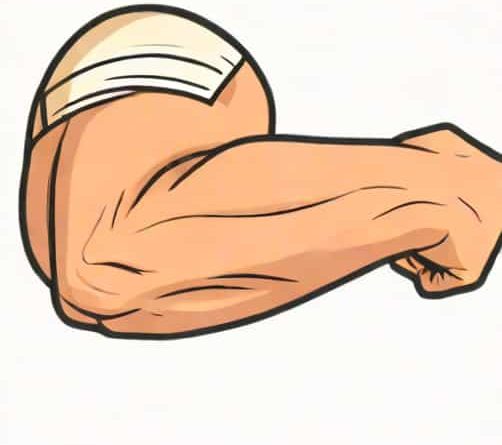
Elbow Hurts When Flexing Bicep
Experiencing pain in the elbow when flexing the bicep can be frustrating and concerning. This type of discomfort often interferes with daily activities, from lifting objects to simple arm movements. The elbow is a complex joint, and its proper function relies on the interaction of bones, muscles, tendons, and ligaments. When pain occurs during bicep flexion, it usually indicates an issue with one or more of these structures. Understanding the possible causes, symptoms, and treatments is essential to manage the discomfort effectively and prevent further injury.
Common Causes of Elbow Pain When Flexing the Bicep
Bicep Tendonitis
Bicep tendonitis occurs when the tendon connecting the bicep muscle to the elbow becomes inflamed. This inflammation often results from repetitive movements or overuse, especially during activities that involve lifting or pulling. People who perform frequent gym exercises, manual labor, or sports like tennis and baseball may experience this condition.
- Symptoms include pain at the front of the elbow, tenderness, and swelling.
- Pain is usually worse when bending the elbow or lifting objects.
- Sometimes a popping or snapping sensation can occur if the tendon is severely affected.
Strained or Torn Bicep Muscle
A sudden injury, heavy lifting, or overstretching the arm can lead to a bicep strain or tear. Partial tears cause discomfort during elbow flexion, while complete tears might result in noticeable bruising or a Popeye deformity in the upper arm. Strains are classified into mild, moderate, or severe, depending on the extent of muscle fiber damage.
Elbow Joint Issues
Problems within the elbow joint itself can also cause pain when flexing the bicep. Conditions such as arthritis, osteoarthritis, or cartilage damage may lead to stiffness, inflammation, and difficulty in bending the arm. Over time, joint degeneration can worsen pain during daily activities.
Medial or Lateral Epicondylitis
Epicondylitis, commonly known as golfer’s elbow (medial) or tennis elbow (lateral), affects the tendons attached to the elbow. Although these conditions are more associated with wrist and forearm movements, they can also cause pain when flexing the bicep due to strain on the surrounding muscles and tendons.
Symptoms to Watch For
Recognizing the symptoms of elbow pain during bicep flexion is important for diagnosis and treatment. While mild discomfort may be temporary, persistent or severe pain should not be ignored.
- Pain localized at the front or inside of the elbow
- Swelling or tenderness around the joint
- Difficulty bending the elbow fully
- Weakness in the arm or reduced grip strength
- Visible bruising or abnormal contour of the arm in case of a tear
Diagnosis of Elbow Pain
Proper diagnosis usually begins with a detailed medical history and physical examination. A healthcare professional may ask about recent injuries, exercise routines, or repetitive movements that could contribute to the problem. They may also perform specific tests to assess tendon and muscle function.
Imaging Tests
Sometimes imaging is required to confirm the cause of elbow pain. Common tests include
- X-rays – To check for bone fractures or joint degeneration
- Ultrasound – To detect tendon inflammation or tears
- MRI – To provide detailed images of muscles, tendons, and ligaments
Treatment Options
Rest and Activity Modification
Reducing activities that exacerbate the pain is often the first step. Avoid lifting heavy objects or repetitive movements until symptoms improve. Rest allows the tendon or muscle to heal without further strain.
Physical Therapy
Physical therapy can help strengthen the muscles around the elbow, improve flexibility, and reduce pain. Therapists may use exercises specifically designed to target the bicep, forearm, and shoulder muscles.
Medications and Injections
Nonsteroidal anti-inflammatory drugs (NSAIDs) such as ibuprofen can help relieve pain and reduce inflammation. In more severe cases, corticosteroid injections may be administered to decrease swelling and discomfort.
Surgical Intervention
In cases where conservative treatments fail, surgery might be necessary. Surgery can repair torn tendons or address structural problems within the elbow joint. Recovery typically involves physical therapy and gradual return to activity.
Preventing Elbow Pain During Bicep Flexion
Prevention focuses on reducing stress on the elbow joint and surrounding muscles. Simple lifestyle changes and proper exercise techniques can significantly decrease the risk of injury.
- Warm up before any physical activity or weightlifting
- Use proper lifting techniques to avoid overloading the bicep
- Gradually increase weight or intensity in exercises
- Include stretching and strengthening exercises for the bicep, triceps, and forearm muscles
- Take breaks during repetitive activities to prevent overuse injuries
When to See a Doctor
Consulting a healthcare professional is necessary if pain persists for more than a few weeks, worsens, or is accompanied by severe swelling, bruising, or weakness. Early diagnosis can prevent chronic problems and ensure proper healing. Ignoring elbow pain may lead to long-term issues such as tendon rupture, decreased mobility, or persistent inflammation.
Home Care Tips
While awaiting professional care, several home remedies can provide relief
- Apply ice to the affected area for 15-20 minutes several times a day
- Elevate the arm to reduce swelling
- Use a supportive elbow brace if recommended
- Take over-the-counter pain medication as needed
Elbow pain during bicep flexion is a common problem that can result from tendonitis, muscle strains, joint issues, or overuse injuries. Understanding the underlying cause is crucial for effective treatment. With proper care, including rest, physical therapy, and medical intervention if necessary, most individuals can recover fully and return to their regular activities. Prevention through correct exercise techniques and gradual progression can minimize the risk of future pain and ensure healthy elbow function for years to come.