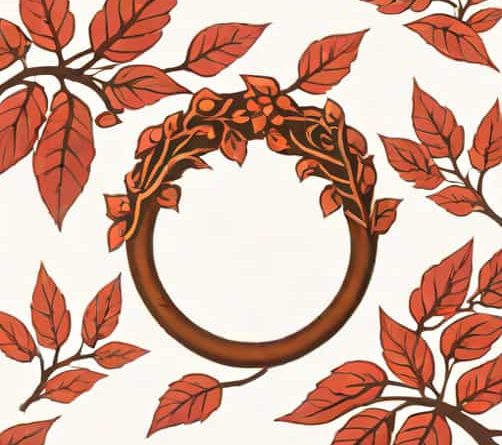
Elden Ring Crimson Briar Bough
The world of Elden Ring is filled with mysterious artifacts, sacred relics, and cryptic lore that challenge players to explore every corner of the Lands Between. Among these, the Crimson Briar Bough stands out as one of the more enigmatic items, blending symbolism, dark magic, and nature’s untamed beauty. This rare element captures the imagination of players who seek to uncover its origins, purpose, and connection to the greater mythology of Elden Ring. Understanding the Crimson Briar Bough requires diving into its background, the themes it represents, and how it fits into the complex ecosystem of magic and life within the game.
What is the Crimson Briar Bough?
The Crimson Briar Bough is often interpreted as a rare plant or enchanted branch infused with blood-red energy, representing the fusion between vitality and corruption. The term crimson refers to the deep scarlet hue of blood, while briar implies thorns or a wild tangle of vegetation. The bough suggests a living branch, possibly cut or stolen from a sacred tree. Combined, the phrase evokes the image of a powerful organic relic that draws its strength from both life and decay.
In the lore-rich environment of Elden Ring, the Crimson Briar Bough could be found in a corrupted or cursed region, thriving where blood has been spilled and where nature has intertwined with the sorceries of the demigods. Many players associate it with areas influenced by scarlet rot or other forms of blight. Like many items in the game, it likely serves both a narrative and gameplay function, connecting themes of sacrifice, resilience, and transformation.
The Symbolism Behind Crimson and Briar
Color symbolism plays an essential role in FromSoftware’s games, and Elden Ring is no exception. Crimson often represents life, sacrifice, and danger. It is also linked to blood magic and the physical manifestation of one’s willpower. In contrast, briars and thorns symbolize protection and pain-natural barriers that guard something sacred within. The combination of these two elements in the Crimson Briar Bough suggests duality life emerging from suffering, beauty wrapped in peril, and power born from struggle.
This symbolism mirrors the player’s journey through the Lands Between, where every victory comes with scars, and every discovery is tinged with loss. The Crimson Briar Bough embodies the idea that growth often springs from adversity, reflecting the cyclical nature of life and decay that permeates the game’s world design.
Possible Lore Connections
While the Crimson Briar Bough may not be directly named in canonical texts, it resonates with several existing elements within Elden Ring’s lore. It may be conceptually tied to the Erdtree, the colossal life-giving tree that dominates the world’s skyline. Some theorists suggest that the Crimson Briar Bough represents a corrupted offshoot of the Erdtree, perhaps touched by rot or blood magic. This could place it within the same thematic lineage as the Scarlet Rot associated with Malenia, Blade of Miquella.
Another interpretation links the Crimson Briar Bough to the blood of the Outer Gods, entities that influence the Lands Between in mysterious ways. The red hue might indicate a direct connection to blood rituals or divine pacts, marking the item as a remnant of forbidden power. It might also have been used by certain cults or ancient priests who revered the balance between life’s creation and destruction.
Connections to Scarlet Rot
Scarlet Rot is one of the most iconic afflictions in Elden Ring, spreading corruption and death while maintaining a haunting beauty. The Crimson Briar Bough could be seen as an artifact nourished by this same decay-a plant that grows stronger in the presence of suffering. If tied to Malenia’s influence, the item could represent her paradoxical existence a warrior of grace and disease, embodying both purity and ruin. The bough might even have been part of rituals meant to contain or harness the Rot’s immense power.
Gameplay Theories and Speculation
In gameplay terms, many fans imagine the Crimson Briar Bough as a crafting material, key item, or magical catalyst. Its potential uses might include creating potions that increase health regeneration at the cost of spreading minor rot, or enchanting weapons to deal both physical and scarlet-based damage. The dual nature of the item would make it ideal for builds that thrive on risk and reward-those who embrace the fine line between vitality and corruption.
- Healing and CorruptionThe Crimson Briar Bough might temporarily restore health but cause lingering damage afterward.
- Weapon EnhancementInfusing a weapon with crimson energy could add thorn-like damage effects or bleeding bonuses.
- Summoning MaterialSome theories suggest it could be used to summon entities tied to the blood or rot gods.
These possibilities align with Elden Ring’s philosophy of balance every power gained comes with a consequence. The Crimson Briar Bough could serve as a reminder that even the strongest tools may bear hidden curses.
Environmental and Visual Design
If brought to life in the game’s world, the Crimson Briar Bough would likely stand out visually. Picture a twisted branch covered in glowing red thorns, pulsating faintly like living veins. It might be found growing out of ancient ruins or sprouting near pools of crimson rot. The air around it could shimmer with faint energy, symbolizing the fusion of nature and blood magic. Such design would fit seamlessly into the eerie beauty of Elden Ring’s landscapes, where every natural element tells a story of struggle and persistence.
Possible Locations
Players speculating about where the Crimson Briar Bough might appear often point to regions like Caelid, known for its corrupted red earth and decaying flora. Other possible areas include the Haligtree, a place where sacred growth meets infection, or hidden caverns where forgotten experiments of ancient sorcerers took root. These environments would serve as fitting homes for a relic that blurs the boundary between life and decay.
Philosophical Themes
The existence of the Crimson Briar Bough, whether literal or symbolic, ties deeply into Elden Ring’s overarching philosophy. It embodies the tension between order and chaos, creation and destruction, purity and corruption. Its crimson color is not only a warning but a testament to resilience. Even amidst ruin, life persists, evolving into new and sometimes terrifying forms. This echoes the player’s journey-one that is both tragic and triumphant, shaped by pain yet driven by purpose.
In this sense, the Crimson Briar Bough represents more than an item; it is a living metaphor for endurance. Its thorns may wound, but they also protect. Its crimson hue may signal danger, but it also glows with vitality. In the Lands Between, beauty and death are inseparable, and this mysterious bough captures that balance perfectly.
The Legacy of the Crimson Briar Bough
The Crimson Briar Bough remains a symbol of Elden Ring’s haunting beauty and layered storytelling. Whether imagined as a tangible artifact or a metaphorical idea, it reflects the game’s fascination with the coexistence of decay and life. Through its crimson thorns and wild branches, players are reminded that power often grows where pain has been sown. Every scar tells a story, every thorn guards a secret, and every bough reaching toward the light carries the memory of the darkness that nourished it. In a world defined by both ruin and rebirth, the Crimson Briar Bough stands as a poetic emblem of survival and transformation in the face of endless struggle.