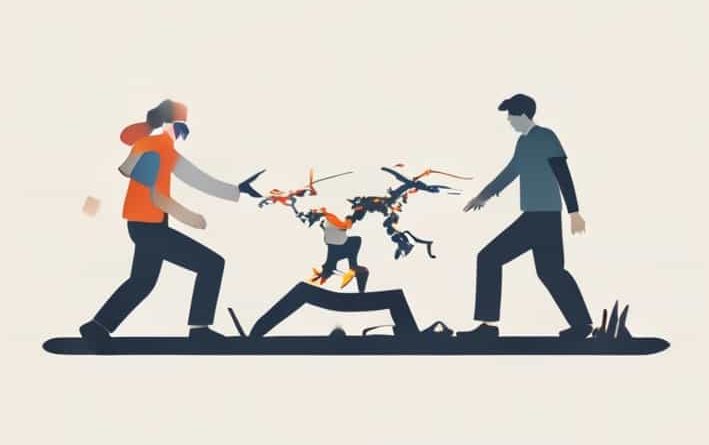
Few Persons In The World Die Overwork
Many people believe that almost everyone is constantly at risk of dying from work stress, but in reality only a small number of individuals in the world lose their lives directly due to overwork. However, even if the number is relatively small compared to global deaths from disease or accidents, the issue is still serious because it reflects unhealthy work cultures, extreme schedules, and pressure that pushes the human body beyond its limits. Understanding why some people die from overwork, what overwork actually means, and how it affects health helps create awareness and encourages healthier balance in life and productivity.
Understanding What Overwork Means
Overwork refers to working beyond the body’s physical and mental capacity for long periods. It is not simply staying late at the office once or finishing an important deadline. It usually involves chronic exhaustion, minimal rest, lack of sleep, extreme workload, and emotional stress that never truly stops. In some countries, this problem is recognized with specific terms because it has become a part of social discussion.
People who experience severe overwork often ignore warning signs. They continue working despite fatigue, chest pain, dizziness, anxiety, or burnout. This constant strain can gradually weaken the heart, elevate blood pressure, disturb hormones, and damage mental stability. Although only a few people globally die directly due to overwork, thousands face serious health consequences long before death becomes a possibility.
How Overwork Can Lead to Death
Physical Stress and Heart Problems
One of the most common reasons overwork can become fatal is heart-related conditions. When a person repeatedly works long hours under pressure, the heart works harder and stress hormones remain elevated. Over time, this can contribute to heart attacks, strokes, or heart failure. In extreme cases, sudden death can occur without much warning, especially if the person has an underlying condition they never checked.
Lack of Sleep and Body Breakdown
Another factor connected to overwork is sleep deprivation. Constantly sacrificing rest weakens the immune system, affects brain function, and strains organs. Severe and prolonged lack of sleep is linked to serious medical conditions and can indirectly contribute to death through disease, cognitive mistakes, or accidents caused by exhaustion.
Mental Health Collapse
Overwork also affects the mind. Extreme stress can lead to severe anxiety, depression, and emotional instability. In some tragic situations, mental exhaustion contributes to self-harm or risky behavior. While this may not always be counted strictly as death from overwork, the chain of causes still shows that unhealthy work conditions can have life-ending consequences.
Why Only a Few People in the World Die From Overwork
Although work pressure is common, not everyone reaches the extreme point where it becomes deadly. Many workplaces provide rest periods, regulate hours, and promote safety. Modern healthcare also helps diagnose stress-related problems earlier. In addition, most people naturally slow down when they feel their health declining.
However, some environments still normalize exhausting schedules. Cultural expectations, financial demands, and ambition can push a small number of people toward extreme work behaviors. That is why the global number of deaths linked directly to overwork is relatively low compared to other causes, yet still significant enough to deserve attention.
Who Is Most at Risk
Not everyone faces the same danger. Certain groups have higher risk due to lifestyle, environment, or working structure
- Workers with long continuous shifts
- People in high-pressure corporate environments
- Healthcare professionals with demanding schedules
- Those facing financial hardship who feel forced to overwork
- Individuals with hidden or untreated health conditions
These groups are more likely to push their limits and ignore early warning signs.
Warning Signs Before Overwork Becomes Dangerous
Death from overwork does not usually happen suddenly without warning. The body often sends signals. These signals include
- Constant fatigue that does not disappear after rest
- Frequent headaches, dizziness, or fainting
- Palpitations and chest discomfort
- Severe stress, irritability, or emotional exhaustion
- Insomnia and inability to relax
Recognizing these symptoms early can save lives. People who ignore them and continue forcing themselves to work may slowly push their bodies toward extreme breakdown.
Health and Lifestyle Balance
Even though only a few persons in the world die because of overwork, the existence of such cases teaches an important lesson human life should not be valued based on productivity alone. A balanced lifestyle protects the heart, brain, and emotional well-being. Balance does not mean laziness; it means working responsibly while respecting personal limits.
Healthy Work Practices
- Setting realistic working hours
- Taking regular breaks
- Ensuring enough sleep every day
- Maintaining healthy eating habits
- Finding time for exercise and relaxation
These practices strengthen the body and help prevent harm caused by continuous physical and mental strain.
The Role of Work Culture
Work culture plays a major role in shaping attitudes toward rest and productivity. Some environments glorify working without stopping, viewing exhaustion as dedication. However, sustainable productivity comes from good health. Companies and communities benefit more when people are healthy, focused, and emotionally stable rather than exhausted and at risk.
Changing work culture requires awareness, policies, and support systems. When employers value employee well-being, fewer people push themselves toward dangerous limits.
It is true that only a limited number of people in the world actually die from overwork, but every case represents a life lost because of pressure, exhaustion, and neglect of health. Overwork shows how powerful stress and unhealthy working patterns can be when left unchecked. By recognizing warning signs, respecting body limits, supporting balanced work culture, and valuing rest as part of productivity, society can reduce these rare but tragic outcomes. Work is important, but life, health, and well-being remain far more valuable than any schedule or deadline.