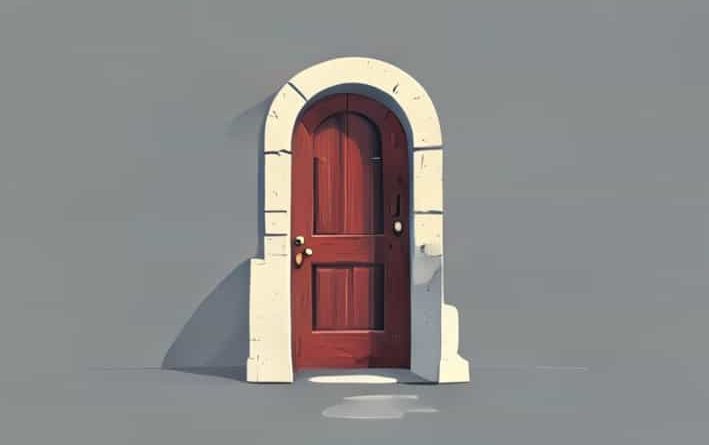
First Doorway To The West Quarter Worth
The First Doorway to the West Quarter in Worth is a significant landmark that draws attention for both its historical importance and architectural uniqueness. Located in a region known for its rich cultural heritage, this doorway serves as a symbolic and literal entry point to the West Quarter, marking boundaries that have been important for centuries. Its design, placement, and historical context reflect the evolution of the area, making it a subject of interest for historians, architects, and local visitors alike. Understanding its story provides insight into the cultural and social development of the West Quarter and the town of Worth as a whole.
Historical Background of the West Quarter
The West Quarter has long been recognized as a distinct area within Worth, characterized by its unique development patterns and historical significance. Over the centuries, it has served as a hub for commerce, residential life, and community gatherings. The First Doorway represents the primary access point into this quarter, making it a crucial element in the flow of people and goods throughout the area. It is not merely a physical structure but also a cultural symbol reflecting the values and priorities of the community over time.
Origins of the First Doorway
The origins of the First Doorway can be traced back several centuries, when urban planning in Worth focused on creating clearly defined quarters. At the time, town planners and local leaders emphasized both security and order, and doorways served as practical boundaries as well as ceremonial entrances. The First Doorway was strategically positioned to facilitate access to the West Quarter while controlling the movement of people, livestock, and trade goods. Over time, it evolved from a simple archway into a structure with decorative elements, reflecting the changing tastes and social priorities of the town.
Architectural Features
The architectural style of the First Doorway to the West Quarter is notable for its combination of functionality and aesthetic appeal. Built from locally sourced materials, the doorway features classic design elements that were prevalent in the region during its construction. Its proportions, ornamentation, and integration into the surrounding streetscape demonstrate the care and attention that architects and builders invested in creating a lasting landmark.
Design Elements
- Archway StructureThe doorway is built around a prominent arch, which not only provides structural integrity but also serves as a welcoming entrance.
- Stone MasonryCrafted from local stone, the masonry exhibits durability and a sense of permanence.
- Decorative CarvingsSome parts of the doorway feature carvings and inscriptions that highlight the town’s history and artistic influences.
- Integration with StreetscapeThe doorway aligns with surrounding buildings and pathways, ensuring smooth pedestrian and vehicular access.
These architectural features make the doorway both functional and visually appealing, reinforcing its role as a gateway to the West Quarter.
Cultural and Social Significance
The First Doorway is more than an architectural feature; it is a symbol of the community’s identity and social organization. Historically, such doorways were sites of interaction, where residents, traders, and travelers converged. They were also markers of jurisdiction, indicating the beginning of a distinct neighborhood or administrative area. In Worth, the doorway has been associated with festivals, public announcements, and ceremonial processions, further enhancing its role in the social fabric of the West Quarter.
Community Activities
- Local festivals and parades often pass through the doorway, celebrating the heritage of the West Quarter.
- Markets and trade fairs historically took place near the entrance, making it a hub of economic activity.
- Public gatherings, meetings, and announcements were held near the doorway, emphasizing its role as a community focal point.
These activities highlight the doorway’s enduring importance as a cultural and social landmark in Worth.
Preservation and Modern Relevance
Over the years, efforts have been made to preserve the First Doorway and maintain its historical integrity. Restoration projects have focused on repairing masonry, protecting decorative elements, and ensuring structural safety. At the same time, the doorway continues to serve practical purposes, guiding traffic and pedestrian movement into the West Quarter. Its preservation demonstrates the community’s commitment to honoring its history while adapting to contemporary urban needs.
Tourism and Educational Value
The First Doorway is also a point of interest for tourists and educators. Visitors can learn about the architectural techniques, historical context, and social significance of the structure, making it an educational resource. Walking tours and informational plaques help locals and tourists alike appreciate the doorway’s role in shaping the West Quarter and the town of Worth as a whole.
Impact on Urban Planning
The doorway’s presence has influenced urban planning decisions in the surrounding area. Streets, buildings, and public spaces have been designed to complement the entrance, creating a cohesive urban environment. Its location has helped define traffic flow, commercial zoning, and pedestrian pathways, demonstrating how historical structures can shape modern urban development.
Integration with Surrounding Infrastructure
- Roadways and pedestrian pathways are aligned with the doorway to facilitate smooth movement.
- Nearby commercial areas benefit from increased visibility and foot traffic due to the doorway’s prominence.
- Public spaces such as plazas and small parks near the entrance encourage community interaction.
The doorway thus serves as both a historical landmark and a functional element in modern urban design.
The First Doorway to the West Quarter in Worth stands as a testament to the town’s historical development, architectural heritage, and community identity. From its origins as a practical entryway to its role as a cultural and social symbol, the doorway has influenced the flow of people, commerce, and community activities for centuries. Its architectural features reflect local craftsmanship, while its social significance underscores the importance of shared spaces in urban environments. Preservation efforts ensure that the doorway continues to serve as a functional entrance and an educational resource for residents and visitors. Understanding the history and importance of the First Doorway allows us to appreciate the broader story of Worth, its West Quarter, and the ways in which historical landmarks shape modern life.