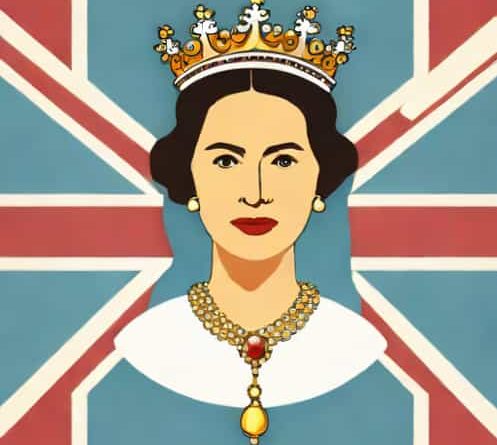
First Queen Regnant Of England
The history of England is marked by significant rulers, but one figure stands out as a symbol of strength and resilience the first queen regnant of England. Ascending the throne in a period dominated by male monarchs, she navigated complex political landscapes, managed court intrigues, and established a legacy that would influence the monarchy for generations. Her reign represented a pivotal shift in how female leadership was perceived in a kingdom accustomed to kings, demonstrating that women could govern with authority, wisdom, and determination. Understanding her life, challenges, and achievements offers a fascinating glimpse into early modern England and the evolution of its monarchy.
Early Life and Background
The first queen regnant of England was born into a royal lineage filled with power struggles and dynastic tensions. As a child, she was exposed to the intricacies of political maneuvering, education in statecraft, and religious debates that shaped the nation. Her upbringing prepared her to face the challenges of leadership, balancing diplomacy, and maintaining the support of influential nobles. From an early age, she displayed intelligence, determination, and a keen sense of responsibility, traits that would define her reign and earn her respect among her subjects and foreign powers alike.
Claim to the Throne
Her ascension to the throne was not straightforward. England had faced a series of dynastic conflicts and the line of succession was often contested. Despite these obstacles, her claim was solidified through legal and familial channels, and her eventual coronation marked a historic moment in English history. As the first queen regnant, she inherited not only the throne but also the immense responsibility of proving that a woman could lead effectively in a male-dominated society. Her accession set important precedents for future female monarchs in England and across Europe.
Challenges Faced During Her Reign
Becoming the first queen regnant of England was just the beginning; maintaining her authority and legitimacy required careful navigation of political, religious, and social challenges. She faced opposition from factions within the court, skeptical nobles, and foreign powers wary of a female sovereign. Her reign coincided with turbulent times, including religious conflicts, threats of invasion, and economic pressures that demanded strategic decision-making. Her ability to address these issues with diplomacy and intelligence established her as a capable and respected ruler.
Religious Turmoil and Political Strategy
One of the defining aspects of her reign was managing religious divisions within England. The country was deeply divided between different Christian denominations, and her decisions often had profound implications for both domestic stability and international relations. She implemented policies aimed at promoting religious tolerance while maintaining royal authority, balancing the interests of Protestant and Catholic factions. This careful navigation of religious tensions helped prevent widespread unrest and ensured that the monarchy retained control during a volatile period.
Key Achievements and Legacy
The first queen regnant of England achieved numerous milestones that had lasting impacts on the kingdom. Her leadership strengthened the central authority of the monarchy, improved relations with foreign powers, and fostered a sense of national identity. She promoted the arts, encouraged exploration, and implemented reforms that enhanced the administration of justice and governance. Her reign also demonstrated that female rulers could command respect and wield power effectively, paving the way for future queens regnant to ascend the throne without significant resistance.
Influence on the Monarchy
Her legacy extended beyond her immediate accomplishments. By establishing a successful and stable reign, she reshaped expectations of female leadership in England and inspired future generations of monarchs. The strategies she employed to maintain authority, secure succession, and manage political factions became models for later rulers. Her example proved that the monarchy could thrive under the guidance of a capable queen, reinforcing the importance of competency and strategic thinking over gender in leadership roles.
Notable Events During Her Reign
- Coronation as the first queen regnant of England, marking a historic milestone.
- Management of religious reforms that promoted stability and prevented major civil unrest.
- Strengthening diplomatic relations with neighboring countries and European powers.
- Support of cultural and artistic endeavors, enhancing England’s international reputation.
- Implementation of administrative and legal reforms to improve governance.
- Strategic handling of internal conflicts and noble rivalries to maintain the monarchy’s authority.
- Promotion of national identity and unity during a period of political turbulence.
Role as a Symbol of Female Leadership
The first queen regnant of England became more than a political leader; she was a symbol of what women could achieve in positions of power. Her reign challenged societal norms and provided a powerful example that female monarchs could govern with wisdom and strength. This symbolic role influenced not only her contemporaries but also future generations of leaders, contributing to a gradual change in perceptions about gender and leadership within European monarchies.
The first queen regnant of England left an indelible mark on the nation’s history. Her rise to power, management of political and religious challenges, and lasting achievements demonstrated her skill, intelligence, and resilience. By successfully navigating a male-dominated political landscape, she redefined the possibilities of female leadership and strengthened the monarchy for years to come. Her reign remains a testament to the power of determination, strategic thinking, and the enduring influence of a capable ruler, inspiring countless individuals who study the history of England and the evolution of its monarchy.