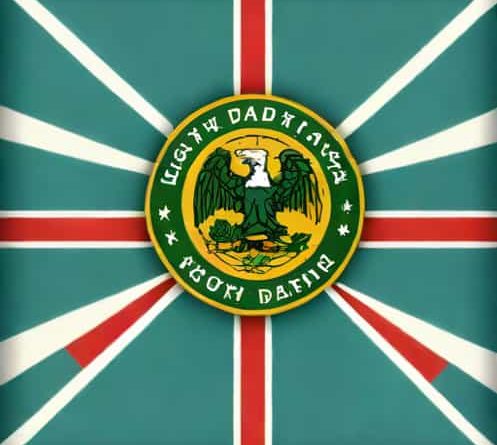
Flag Of North Dakota
The flag of North Dakota is a symbol rich in history, tradition, and meaning, representing both the state’s heritage and its connection to the United States. While it may not be as widely recognized as some other state flags, it holds a unique place in American vexillology. Featuring imagery closely tied to the state’s military history and early settlement, the flag tells a story that spans centuries. From its adoption to its design elements and symbolism, understanding the flag of North Dakota offers insight into the culture, values, and pride of the people who call the state home.
History of the Flag of North Dakota
The flag of North Dakota was officially adopted in 1911, making it one of the earlier state flags to be formally recognized. The design of the flag was heavily influenced by the United States Army’s flag used during World War I, reflecting the state’s military contributions. North Dakota was admitted as the 39th state of the United States in 1889, and the flag served as a way to establish state identity and pride while honoring the soldiers who served in national conflicts. Over the years, the flag has remained consistent in design, preserving its historical significance.
Origins and Inspiration
The design of the North Dakota state flag is directly inspired by the regimental colors carried by soldiers from the state during the Spanish-American War and World War I. This connection to military history emphasizes the importance of service and sacrifice in North Dakota’s heritage. The flag was designed to visually link the state with its citizens’ contributions to national defense, combining patriotic elements with symbols representing the state itself.
Design Elements of the Flag
The flag of North Dakota has a deep blue field, symbolizing loyalty and vigilance. At the center is the state seal surrounded by an eagle holding an olive branch and arrows in its talons. This design closely mirrors the Great Seal of the United States, symbolizing the state’s allegiance to the nation. Additional elements include a ribbon in the eagle’s beak displaying the state motto, a shield on the eagle’s breast, and various stars that represent the unity of the United States.
Detailed Symbolism
Every element of the North Dakota flag carries meaning, reflecting both the state and the nation
- EagleThe bald eagle represents strength, courage, and freedom, consistent with national symbolism.
- Olive Branch and ArrowsThese signify a commitment to peace while remaining ready for defense.
- Shield on EagleSymbolizes protection and the defense of the state and the country.
- Blue FieldRepresents vigilance, justice, and perseverance.
- State MottoThe ribbon often contains phrases that reflect the values and identity of North Dakota.
Significance and Meaning
The flag of North Dakota serves as a unifying symbol for the people of the state. It is flown at government buildings, schools, and during state events to reinforce state pride and heritage. The military inspiration behind the flag reminds citizens of the sacrifices made by North Dakotans in defense of the nation. Additionally, the flag represents the state’s commitment to American ideals, combining local pride with national loyalty.
Connection to North Dakota’s Identity
The imagery of the flag reinforces several aspects of North Dakota’s identity. The eagle, shield, and stars highlight the state’s role in the larger national framework, while the central seal emphasizes local governance, agriculture, and community values. For residents, the flag is a reminder of both historical achievements and the enduring values of responsibility, resilience, and service.
Uses and Protocol
Understanding how and when the North Dakota flag is displayed is part of respecting its symbolism. Like all state flags, it is flown alongside the U.S. flag at government buildings and during official ceremonies. Proper etiquette includes raising the U.S. flag first, ensuring the state flag is not displayed higher than it, and taking care to handle the flag with respect during folding, storage, and display. These practices help maintain the dignity and honor associated with the flag.
Celebrations and Events
The flag plays a prominent role during state celebrations, historical commemorations, and military ceremonies. It is commonly seen during North Dakota Statehood Day, public events, parades, and school activities. The flag serves as a visual reminder of state heritage, inspiring civic pride and community participation. By engaging with the flag through public events, citizens reinforce the shared history and values of North Dakota.
- Displayed at government buildings on state holidays
- Used in educational programs to teach state history
- Included in ceremonial events honoring military service
- Flown at cultural and community gatherings to reinforce state pride
Comparison with Other State Flags
The flag of North Dakota is often compared to the flag of South Dakota because both share a similar layout and color scheme. While many state flags use symbols unique to the state’s history or natural features, North Dakota’s flag is distinctive for its strong military inspiration. This sets it apart as a representation of service and dedication to the country, in addition to state-specific heritage. Its design has also been praised for maintaining historical continuity, avoiding frequent changes that other states have undergone.
Vexillological Perspectives
From the perspective of vexillology, or the study of flags, North Dakota’s flag is notable for its use of traditional symbolism combined with state-specific elements. It demonstrates the balance between local identity and national loyalty, making it both meaningful and educational. The consistent design over more than a century also highlights the importance of historical preservation in state symbols, allowing residents and visitors alike to connect with the past through visual representation.
The flag of North Dakota is more than just a piece of fabric; it is a representation of the state’s history, values, and connection to the United States. Its design, inspired by military regalia and national symbolism, honors the sacrifices and achievements of North Dakotans while reinforcing state pride. By understanding its elements, history, and proper use, residents can appreciate the flag as a symbol of unity, identity, and heritage. Whether displayed at government buildings, schools, or public events, the flag of North Dakota continues to be a meaningful emblem for the state and its citizens.