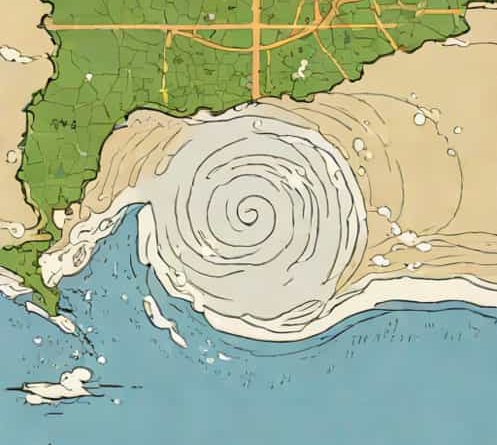
Florida Hurricane Helene Damage
Hurricane Helene, one of the significant storms to impact the southeastern United States, left a lasting mark on Florida due to its powerful winds, heavy rainfall, and widespread flooding. Understanding the full scope of the Florida Hurricane Helene damage requires examining its path, intensity, affected areas, and the immediate as well as long-term consequences for communities, infrastructure, and the environment. Hurricanes like Helene demonstrate the vulnerability of coastal states to tropical storms and highlight the importance of disaster preparedness, early warning systems, and effective recovery plans for minimizing human and economic losses.
Overview of Hurricane Helene
Hurricane Helene was classified as a major hurricane, reaching Category 3 intensity at its peak. It developed from a tropical wave in the Atlantic and moved across the Caribbean before approaching the southeastern coast of the United States. Although it fluctuated in intensity, Helene maintained strong winds and heavy rainfall, which contributed to significant damage in Florida. Meteorologists tracked the storm closely, issuing timely warnings and evacuation notices to minimize the impact on human life.
Path and Landfall
Helene’s path was closely monitored as it approached Florida. The storm primarily affected the Gulf Coast and the southern Atlantic coastline, bringing high winds, heavy rain, and storm surges to coastal and inland areas. While some parts of Florida experienced direct landfall, other areas suffered indirect effects, including flooding from tropical rainfall and wind damage from the storm’s outer bands. The variability in the storm’s trajectory made preparation and response particularly challenging for local authorities and residents.
Extent of Florida Hurricane Helene Damage
The damage caused by Hurricane Helene was multifaceted, impacting homes, infrastructure, businesses, agriculture, and the environment. While some areas faced catastrophic losses, others experienced moderate damage depending on their proximity to the storm’s center and their preparedness level.
Residential and Property Damage
- Homes along the coastal regions experienced roof damage, broken windows, and flooding in basements and ground floors.
- Mobile homes were particularly vulnerable, with many being completely destroyed or severely damaged.
- Debris from fallen trees, street signs, and power lines contributed to further property destruction.
Infrastructure Impact
- Roads and highways were flooded or blocked by debris, disrupting transportation and emergency response.
- Bridges and public utilities faced structural stress due to high winds and heavy rainfall.
- Power outages were widespread, leaving thousands of residents without electricity for days.
Economic and Business Losses
Local businesses in Florida faced interruptions, especially those dependent on tourism, fishing, and agriculture. Damage to commercial properties, loss of inventory, and temporary closures resulted in significant financial setbacks. The agricultural sector was hit hard, with crops destroyed by flooding or wind, which affected both local markets and exports. Recovery costs for business owners added to the economic burden caused by Hurricane Helene.
Environmental and Ecological Damage
- Flooding and storm surges caused erosion along beaches and coastlines, altering natural habitats.
- Wetlands and forests suffered from saltwater intrusion and fallen trees, impacting wildlife populations.
- Water contamination from runoff and debris led to concerns about local water quality and aquatic life.
Human Impact and Safety Concerns
The human toll of Hurricane Helene extended beyond physical injuries. Evacuations and emergency shelter operations were essential to protect lives, especially for vulnerable populations such as the elderly, disabled, and those living in low-lying coastal areas. Displacement and property loss created challenges for families, while emergency responders worked tirelessly to ensure safety and provide immediate relief. Mental health concerns also emerged, with stress and trauma affecting many who experienced the storm firsthand.
Evacuations and Emergency Response
Florida authorities issued mandatory and voluntary evacuation orders in areas most at risk from storm surges and flooding. Emergency shelters were set up to accommodate displaced residents, and local agencies coordinated with federal organizations to manage relief efforts. The response included search and rescue operations, distribution of food and clean water, and medical assistance for those affected by injuries or chronic conditions exacerbated by the hurricane.
Casualties and Health Issues
- While fatalities were minimized due to timely evacuations, there were reports of injuries from falling debris and accidents during the storm.
- Flooding led to concerns about waterborne illnesses, mold, and sanitation issues in affected homes and communities.
- Disrupted healthcare services in certain areas posed additional risks for individuals requiring ongoing medical attention.
Recovery Efforts
Recovery from Hurricane Helene in Florida required coordinated efforts between state, local, and federal agencies. Rebuilding infrastructure, restoring utilities, and assisting affected families were top priorities. Programs for financial aid, disaster relief grants, and insurance claims played a crucial role in helping communities regain stability. Volunteers, non-profit organizations, and local residents also contributed to cleanup and support efforts, highlighting the collective effort needed after such a destructive storm.
Infrastructure Restoration
Repairing roads, bridges, and public utilities was an immediate focus. Power restoration teams worked around the clock to reestablish electricity, while water and sanitation systems were inspected and repaired to prevent secondary health hazards. Coastal erosion and environmental restoration projects were initiated to mitigate long-term ecological impacts.
Assistance to Residents
- Temporary housing and shelter assistance were provided to families whose homes were destroyed or unsafe.
- Financial aid and insurance support helped residents rebuild and replace damaged property.
- Community programs offered mental health support to address trauma and stress caused by the hurricane.
Lessons Learned and Future Preparedness
Hurricane Helene underscored the importance of disaster preparedness and resilient infrastructure. Florida’s experience with the storm highlighted areas for improvement, including better early warning systems, more robust building codes, and improved flood management strategies. Community education on hurricane preparedness, emergency kits, and evacuation plans is vital for reducing future risks. By learning from the damage caused by Helene, Florida can enhance its resilience to future hurricanes and minimize both human and economic losses.
Importance of Preparedness
- Understanding hurricane risks and maintaining emergency supplies can save lives.
- Clear evacuation routes and communication systems help prevent confusion during storms.
- Investing in resilient infrastructure reduces long-term repair costs and protects communities.
The Florida Hurricane Helene damage serves as a reminder of the destructive potential of tropical storms and the importance of proactive measures. From widespread property destruction to environmental and human impacts, the storm affected countless communities and emphasized the need for coordinated disaster management. Recovery efforts demonstrated the resilience of Florida’s residents and the value of organized emergency response systems. By analyzing the consequences of Hurricane Helene and implementing lessons learned, Florida can better prepare for future hurricanes, safeguard its communities, and reduce both economic and social disruptions. The storm also highlights the ongoing need for awareness, planning, and investment in infrastructure and public safety to protect against the inevitable challenges posed by severe weather events.