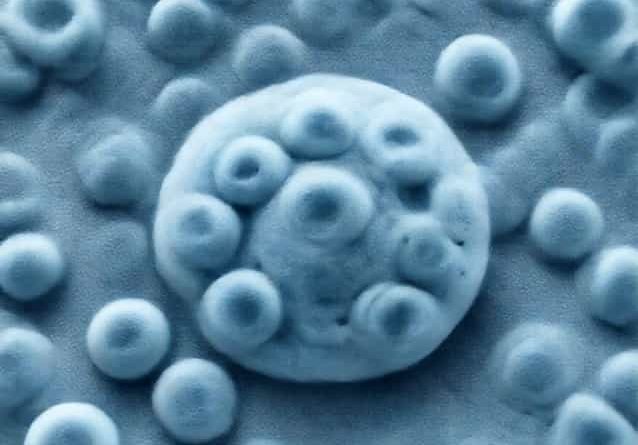
Foam Cells Are Macrophages That Engulf
Foam cells are a specialized type of macrophage that play a central role in the development of atherosclerosis, a condition in which arteries become narrowed and hardened due to plaque buildup. These cells are formed when macrophages engulf modified low-density lipoproteins (LDL), especially oxidized LDL, in the walls of blood vessels. This process triggers a cascade of cellular and molecular events that contribute to chronic inflammation and the formation of fatty streaks, which are the early signs of atherosclerotic plaques. Understanding foam cells is critical in cardiovascular research because they are both markers and drivers of disease progression. Studying their formation, behavior, and impact on blood vessels provides insight into strategies for preventing and treating heart disease.
What Are Foam Cells?
Foam cells are lipid-laden macrophages that accumulate in the intima layer of arteries during atherosclerosis. Macrophages are immune cells responsible for detecting and engulfing pathogens, debris, and harmful ptopics. In the context of atherosclerosis, these macrophages engulf oxidized LDL ptopics that have penetrated the endothelium of blood vessels. As they take up more lipids, they develop a foamy appearance under the microscope, which gives them their name. Foam cells are not only a hallmark of early atherosclerotic lesions but also contribute to the progression of plaques by secreting pro-inflammatory cytokines and enzymes.
Formation of Foam Cells
The formation of foam cells begins when circulating LDL cholesterol infiltrates the endothelial lining of arteries. Once inside the vessel wall, LDL ptopics undergo oxidative modification, becoming oxidized LDL (oxLDL). Macrophages recognize these oxLDL ptopics through scavenger receptors, including CD36 and SR-A1. Unlike normal LDL uptake, the scavenger receptor-mediated uptake of oxLDL is unregulated, allowing macrophages to ingest excessive amounts of lipid.
- Macrophages engulf oxLDL through phagocytosis and endocytosis.
- Lipid accumulation within the macrophage cytoplasm causes the foamy appearance.
- Excessive lipid loading can lead to cell death, further contributing to plaque formation.
This uncontrolled accumulation of lipids transforms normal macrophages into foam cells, which then aggregate to form fatty streaks, the earliest visible lesions in atherosclerosis.
Role of Foam Cells in Atherosclerosis
Foam cells are not merely passive lipid storage cells; they actively contribute to the inflammatory environment within atherosclerotic plaques. By secreting pro-inflammatory cytokines such as interleukin-1 (IL-1), tumor necrosis factor-alpha (TNF-α), and chemokines, foam cells attract additional immune cells to the site, amplifying the inflammatory response. They also release matrix metalloproteinases (MMPs), enzymes that degrade extracellular matrix components, weakening the fibrous cap of plaques and increasing the risk of rupture.
Consequences of Foam Cell Accumulation
- Development of fatty streaks, the precursor to more advanced plaques
- Promotion of chronic vascular inflammation
- Destabilization of atherosclerotic plaques, increasing the risk of heart attacks and strokes
- Release of cell debris from apoptotic foam cells, forming necrotic cores within plaques
The accumulation of foam cells is therefore a central mechanism linking cholesterol metabolism, immune response, and vascular pathology in cardiovascular disease.
Molecular Mechanisms Involved
The conversion of macrophages into foam cells involves several molecular pathways. Key players include scavenger receptors, lipid transport proteins, and intracellular enzymes that regulate cholesterol homeostasis. The uptake of oxLDL through scavenger receptors bypasses the normal negative feedback mechanisms that regulate cholesterol intake, leading to lipid overload. Within the macrophage, oxLDL is stored as cholesteryl esters in lipid droplets, giving the cell its foamy appearance.
Signaling Pathways
Foam cell formation is influenced by multiple signaling pathways
- Activation of nuclear factor kappa B (NF-κB), which promotes inflammatory cytokine production
- Peroxisome proliferator-activated receptors (PPARs) and liver X receptors (LXRs), which regulate lipid metabolism
- Oxidative stress pathways, which further modify LDL and exacerbate macrophage lipid uptake
Understanding these molecular mechanisms is essential for developing therapies that can reduce foam cell formation or enhance their clearance, potentially slowing or reversing atherosclerosis progression.
Clinical Significance of Foam Cells
Foam cells are important clinical indicators of cardiovascular risk. Their presence in arterial walls correlates with the development of atherosclerotic plaques and the likelihood of adverse cardiovascular events. Imaging techniques and biomarkers are being studied to detect foam cell-rich plaques, allowing for early intervention and risk stratification.
Therapeutic Approaches Targeting Foam Cells
Several strategies aim to reduce foam cell formation or mitigate their effects
- Lipid-lowering therapies, such as statins, to reduce circulating LDL levels
- Antioxidants to prevent LDL oxidation
- Drugs targeting scavenger receptors to limit oxLDL uptake
- Anti-inflammatory therapies to reduce cytokine production and vascular inflammation
- Promoting cholesterol efflux from foam cells using HDL-based interventions
By addressing the formation and activity of foam cells, these therapies aim to slow atherosclerosis progression, reduce plaque vulnerability, and decrease the risk of heart attacks and strokes.
Research and Future Directions
Current research focuses on better understanding foam cell biology, including the signals that trigger their formation, mechanisms of survival and apoptosis, and their interactions with other vascular cells. Advanced imaging techniques, such as positron emission tomography (PET) and intravascular ultrasound (IVUS), are being developed to visualize foam cells in vivo. Additionally, novel therapeutic approaches, including gene therapy and nanoptopic-based drug delivery, are being explored to target foam cells more effectively.
Emerging Therapies
- RNA-based therapies to modulate lipid metabolism in macrophages
- Targeted nanoptopics that deliver drugs directly to foam cells within plaques
- Immunomodulatory treatments to reduce macrophage activation and inflammation
These emerging strategies hold promise for more precise and effective management of atherosclerosis by directly addressing foam cell formation and function.
Foam cells are macrophages that engulf oxidized LDL and other lipids, playing a pivotal role in the development and progression of atherosclerosis. Their formation triggers inflammation, plaque development, and increased cardiovascular risk. Understanding the biology, molecular mechanisms, and clinical implications of foam cells is crucial for developing effective prevention and treatment strategies for heart disease. By targeting foam cell formation, lipid accumulation, and associated inflammatory pathways, researchers and clinicians aim to reduce plaque formation, improve vascular health, and prevent life-threatening cardiovascular events. Continued research into foam cells promises to enhance our understanding of atherosclerosis and offer new opportunities for therapeutic intervention.