Full Form Of Hf Cow
The term HF Cow might seem unfamiliar to many, but it holds significant importance in the field of agriculture and dairy farming. Understanding its full form and the implications associated with it can help farmers, dairy enthusiasts, and anyone interested in livestock management make informed decisions. The HF Cow is widely recognized for its productivity and adaptability, making it a popular choice in many countries for milk production. This topic explores the full form of HF Cow, its characteristics, benefits, and why it is considered a valuable asset in the dairy industry.
Full Form of HF Cow
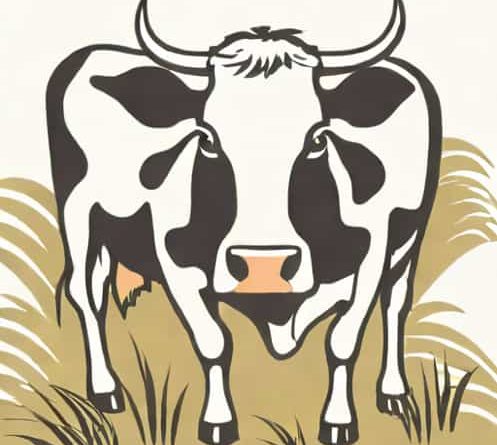
The full form of HF Cow isHolstein-Friesian Cow. This breed originated in the Netherlands and northern Germany, specifically in the regions of Friesland and North Holland. The Holstein-Friesian breed is internationally renowned for its high milk yield, distinct black-and-white or red-and-white coat patterns, and efficient adaptability to different environmental conditions. Farmers around the world prefer HF cows for commercial dairy production due to their reliability and consistent performance.
Origin and History of Holstein-Friesian Cows
Holstein-Friesian cows have a long history dating back several centuries. They were initially bred in the Friesland region of the Netherlands, where farmers aimed to create a cow that could produce large quantities of milk while maintaining good health and hardiness. Over time, selective breeding enhanced their milk production capabilities and overall size, making HF cows the dominant dairy breed globally. Today, they are widely distributed across Europe, North America, and many other regions due to their economic value and productivity.
Physical Characteristics of HF Cows
Holstein-Friesian cows are easily recognizable by their distinctive coat patterns. The most common coloring is black and white, although some HF cows are red and white. Besides their visual appearance, several physical traits make them suitable for milk production
- Large body size, with mature cows weighing between 600 to 700 kilograms
- Strong udder capacity to support high milk production
- Height ranging from 140 to 150 centimeters at the shoulder
- Adaptable skeletal and muscular structure for supporting prolonged lactation periods
Milk Production of HF Cows
One of the primary reasons HF cows are so valued is their exceptional milk production. These cows can produce significantly more milk than many other breeds, making them ideal for commercial dairy operations. On average, a Holstein-Friesian cow can produce between 25 to 30 liters of milk per day, with some high-yielding individuals exceeding 40 liters under optimal feeding and management conditions. Their milk is known for its high volume and good quality, although it generally has slightly lower fat content compared to other breeds like Jersey cows.
Benefits of Keeping HF Cows
There are numerous advantages to maintaining Holstein-Friesian cows on a farm
- High milk yieldHF cows are among the highest milk-producing breeds worldwide, which translates to increased income for dairy farmers.
- AdaptabilityThey can thrive in various climatic conditions, from temperate to subtropical regions, making them versatile for different geographical areas.
- Genetic improvementHF cows are widely used in crossbreeding programs to improve the milk production of local breeds.
- Efficient feed conversionThese cows efficiently convert feed into milk, making them cost-effective in commercial dairy farming.
- LongevityWith proper care, HF cows can have productive lifespans of 6-8 years or more, providing sustained output for farmers.
Management Practices for HF Cows
Proper care and management are crucial to maximizing the productivity and health of Holstein-Friesian cows. Some key management practices include
Nutrition
Providing a balanced diet rich in energy, protein, vitamins, and minerals is essential for maintaining high milk yield. Fresh fodder, silage, and formulated dairy feed help meet the nutritional needs of HF cows. Additionally, access to clean water is critical for sustaining milk production.
Housing and Shelter
HF cows require comfortable housing that protects them from extreme weather conditions, including heat, cold, and rain. Well-ventilated barns with adequate space and clean bedding contribute to the overall health and productivity of the cows.
Health Management
Regular veterinary care, vaccination, and disease monitoring are necessary to prevent illnesses that could reduce milk production. Proper hoof care, parasite control, and regular milking hygiene also play a vital role in maintaining the well-being of HF cows.
Breeding and Genetic Improvement
Selective breeding programs are used to enhance desirable traits in Holstein-Friesian cows. Artificial insemination allows farmers to introduce superior genetics, improving milk yield, disease resistance, and overall performance. Crossbreeding HF cows with local breeds can result in hybrids that maintain high milk production while adapting better to local environmental conditions.
Economic Importance of HF Cows
The Holstein-Friesian cow is a cornerstone of the global dairy industry. Its high milk yield makes it an economically valuable asset for commercial dairy farms. Farmers benefit from increased income, while dairy industries gain access to large volumes of milk for processing into cheese, butter, yogurt, and other dairy products. Furthermore, HF cows contribute to rural employment and the overall economy by supporting ancillary sectors such as feed production, veterinary services, and milk processing.
Understanding the full form of HF Cow-Holstein-Friesian Cow-reveals the breed’s significance in modern dairy farming. Known for its high milk production, adaptability, and economic value, the HF cow is a preferred choice for farmers worldwide. Proper care, nutrition, and management practices ensure that these cows remain healthy and productive for several years. By investing in Holstein-Friesian cows, farmers can achieve sustained milk yield, improve herd genetics, and contribute to the broader dairy industry, making HF cows a cornerstone of successful dairy operations.