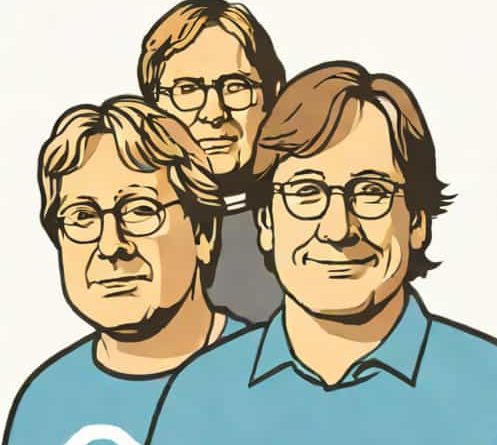
Gabe Newell And Linus Torvalds
Gabe Newell and Linus Torvalds are two of the most influential figures in the world of technology and software development. Though their paths differ-one being the co-founder of Valve Corporation, a leading video game company, and the other being the creator of the Linux operating system-their work has significantly shaped how people interact with computers, entertainment, and open-source software. Both men represent innovation, creativity, and the power of vision in a rapidly changing digital landscape.
Early Life and Background
Gabe Newell From Microsoft to Valve
Gabe Newell, often affectionately called Gaben by fans, was born on November 3, 1962, in Seattle, Washington. He studied at Harvard University but left before graduating to join Microsoft in the early 1980s. During his tenure at Microsoft, Newell worked on the Windows operating system and gained firsthand experience in software development and business management. His time there helped him understand both the potential and the limitations of commercial software distribution.
In 1996, Newell left Microsoft to co-found Valve Corporation with fellow Microsoft employee Mike Harrington. Their goal was to create innovative video games that pushed both technical and storytelling boundaries. Valve’s first project,Half-Life, released in 1998, revolutionized the gaming industry with its immersive narrative and realistic physics. Under Newell’s leadership, Valve went on to develop iconic titles such asPortal,Left 4 Dead,Team Fortress 2, andHalf-Life 2. Beyond games, Newell’s vision extended into digital distribution with the creation of Steam, a platform that forever changed how games were bought, sold, and updated.
Linus Torvalds The Birth of Linux
Linus Torvalds was born on December 28, 1969, in Helsinki, Finland. His interest in computers began at a young age, particularly after acquiring a Commodore VIC-20 in the early 1980s. He later attended the University of Helsinki, where he studied computer science. In 1991, dissatisfied with existing operating systems, Torvalds began developing his own kernel as a hobby project. This small project eventually evolved into Linux-a free, open-source operating system that would change the world.
Torvalds released Linux publicly in 1991, inviting developers worldwide to contribute. This collaborative model made Linux one of the most successful open-source projects in history. Today, Linux powers millions of devices, from servers and smartphones to supercomputers and IoT systems. Torvalds’ emphasis on community-driven development and transparency became a model for modern open-source projects, influencing countless developers and organizations.
Innovation and Influence
Gabe Newell’s Vision for Gaming
Newell’s approach to technology and entertainment centers on empowering users and developers alike. Steam, launched in 2003, became a cornerstone of PC gaming, offering a centralized platform for purchasing and managing digital games. This innovation not only reduced piracy but also allowed independent developers to reach a global audience. Today, Steam dominates the digital game distribution market, hosting tens of thousands of titles.
Newell has also been a strong advocate for hardware and virtual reality innovation. Under his leadership, Valve developed the Steam Deck-a handheld gaming PC-and collaborated on VR projects such as the HTC Vive. His philosophy blends openness with commercial success, focusing on giving players freedom and control over their gaming experiences.
Linus Torvalds’ Impact on Software Development
Torvalds’ contribution goes far beyond Linux itself. His creation of the Git version control system in 2005 revolutionized software collaboration. Git allows developers to manage code efficiently across distributed teams, and it has become a standard tool for nearly all modern software projects. Platforms like GitHub and GitLab were built around this innovation, fostering global collaboration among programmers.
Linux, the project that made Torvalds famous, is now the backbone of the internet. Major companies such as Google, IBM, and Amazon rely on Linux-based systems for their infrastructure. Its open-source nature has encouraged innovation and transparency in computing, giving rise to countless distributions like Ubuntu, Fedora, and Debian that cater to different user needs.
Philosophy and Approach to Technology
Gabe Newell’s Philosophy on User Empowerment
Newell has often spoken about the importance of user control in technology. He believes that consumers should not be restricted by artificial barriers, such as platform exclusivity or digital rights management (DRM). His company’s success reflects this philosophy, as Valve’s products focus on openness and modding support. Many of Valve’s games allow users to create their own levels, modifications, and even new games using the company’s Source engine.
Moreover, Newell has been critical of closed ecosystems, particularly those run by major corporations that limit creative freedom. His support for Linux gaming through SteamOS is an example of his belief in open platforms, encouraging competition and innovation in the gaming industry.
Linus Torvalds and the Spirit of Open Source
Torvalds’ philosophy revolves around collaboration, meritocracy, and simplicity. He does not believe in rigid hierarchies but in systems where good ideas naturally rise to the top. His pragmatic approach to software development emphasizes working code over theoretical perfection. Torvalds is known for being straightforward-even blunt-in his communication, but his leadership style has kept the Linux community focused and productive for decades.
Open-source software, under Torvalds’ influence, has become a global movement. It empowers individuals and organizations to innovate without dependence on proprietary systems. The Linux kernel is now developed by thousands of contributors worldwide, embodying the spirit of shared progress and technological freedom.
Comparing Gabe Newell and Linus Torvalds
Although Gabe Newell and Linus Torvalds operate in different domains-gaming versus system software-they share several similarities in their approach to technology. Both value openness, user empowerment, and long-term vision over short-term profits. However, their methods differ Newell blends creativity with commercial strategy, while Torvalds prioritizes transparency and collaboration over business concerns.
- Field of ImpactNewell transformed the gaming industry; Torvalds redefined operating systems.
- Core PhilosophyNewell focuses on user experience; Torvalds champions open collaboration.
- LegacyBoth have built systems that outlast trends-Steam for digital gaming, Linux for global computing.
- PersonalityNewell is visionary and business-oriented, while Torvalds is technical and community-driven.
Legacy and Continuing Influence
Gabe Newell continues to lead Valve, exploring new technologies like artificial intelligence and virtual reality. Despite being a private company, Valve remains one of the most profitable in the gaming sector, and Newell’s emphasis on experimentation keeps it relevant. His work has inspired countless developers and entrepreneurs to think differently about interactive entertainment.
Linus Torvalds remains the chief maintainer of the Linux kernel, overseeing thousands of contributions each year. His work ensures that Linux remains stable, secure, and adaptable to new hardware and use cases. Beyond his technical contributions, Torvalds has inspired generations of programmers to embrace open-source principles and collaborative innovation.
Gabe Newell and Linus Torvalds stand as two giants in modern technology, each reshaping their respective industries through vision, passion, and innovation. Newell brought creative storytelling and digital distribution to gaming, while Torvalds made open-source software a foundation of global computing. Together, they exemplify how individual ingenuity can transform entire fields, proving that technology’s true power lies in freedom, creativity, and the willingness to challenge convention.