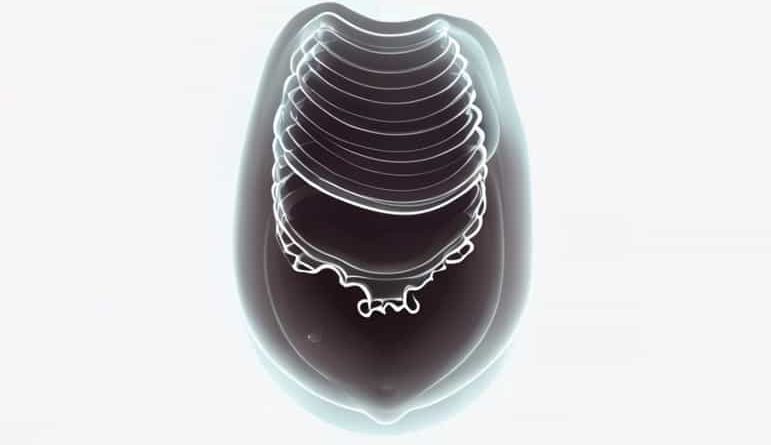
Gaseous Distention Of The Stomach Xray
Gaseous distention of the stomach is a common finding in abdominal radiology, often observed on X-ray images. It occurs when there is an abnormal accumulation of gas within the stomach, leading to visible distension and changes in the abdominal contour. Recognizing gaseous distention on an X-ray is crucial for clinicians, as it can provide valuable information about underlying gastrointestinal conditions. Understanding the causes, X-ray features, clinical significance, and management options helps healthcare providers interpret imaging accurately and plan appropriate treatment. This topic explores the topic in detail, explaining how gaseous distention appears on X-rays, its causes, and its clinical implications.
Understanding Gaseous Distention of the Stomach
Gaseous distention refers to the presence of excessive gas within the stomach that causes the organ to appear enlarged or inflated on imaging studies. Normally, the stomach contains a small amount of gas, which is a byproduct of swallowed air and digestive processes. However, certain conditions can lead to abnormal accumulation, making the stomach appear prominently distended on an X-ray. This phenomenon can be observed in both adults and children and may indicate a variety of medical issues ranging from benign causes to serious gastrointestinal obstructions.
Normal vs. Abnormal Gas in the Stomach
In a normal abdominal X-ray, a small bubble of gas can usually be seen in the fundus of the stomach, particularly in the upright or standing position. This is a physiological finding and generally does not indicate any pathology. Abnormal gaseous distention, on the other hand, is characterized by an excessive amount of gas that causes visible enlargement of the stomach, sometimes accompanied by displacement of surrounding organs. The distinction between normal and abnormal gas patterns is essential for accurate diagnosis.
Causes of Gaseous Distention of the Stomach
Several factors can lead to gaseous distention in the stomach. Understanding the underlying causes helps clinicians determine whether the condition is benign or requires urgent medical intervention.
Common Causes
- Swallowed air Excessive aerophagia can lead to accumulation of gas in the stomach.
- Gastrointestinal obstruction Conditions like pyloric stenosis, gastric outlet obstruction, or tumors can prevent normal gas and food passage.
- Gastrointestinal motility disorders Delayed gastric emptying due to gastroparesis or other motility issues may result in gas buildup.
- Infections Certain infections can produce gas through bacterial fermentation in the stomach or intestines.
- Dietary factors Consumption of carbonated beverages, high-fiber foods, or gas-producing substances can temporarily distend the stomach.
Serious Causes
- Perforation or obstruction Accumulation of gas can indicate life-threatening conditions like gastric perforation or volvulus.
- Acute gastric dilation Rapid distention due to overeating, trauma, or post-surgical complications can compromise blood flow to the stomach.
- Systemic illnesses Severe infections, metabolic disorders, or conditions like diabetic gastroparesis can contribute to gaseous distention.
X-Ray Features of Gaseous Distention
X-ray imaging is a primary diagnostic tool for assessing gaseous distention of the stomach. Certain radiographic signs help identify the presence and severity of distention.
Typical X-Ray Findings
- Enlarged gastric shadow The stomach appears prominently distended, often occupying a larger portion of the upper abdomen.
- Air-fluid levels In cases of obstruction or delayed gastric emptying, horizontal or tilted air-fluid levels may be seen.
- Displacement of surrounding structures A distended stomach may push the diaphragm upwards or displace the intestines laterally.
- Thin gastric wall outline In severe gaseous distention, the gastric wall may appear stretched and thin.
Positioning and Imaging Techniques
X-ray images in upright, supine, and lateral positions are often used to assess gaseous distention. Upright films help visualize air-fluid levels, while supine films provide an overall assessment of gas distribution. Lateral views may highlight displacement of nearby organs or masses that contribute to gastric distention. Contrast studies, such as a barium swallow, may also be employed to evaluate gastric emptying and detect obstructions.
Clinical Significance
Gaseous distention of the stomach on X-ray is more than just an imaging finding; it has significant clinical implications. While mild distention may be benign and transient, marked distention can indicate serious underlying pathology requiring urgent attention. Clinicians must correlate X-ray findings with the patient’s symptoms, physical examination, and medical history to determine the appropriate course of action.
Symptoms Associated with Gaseous Distention
- Abdominal bloating or fullness
- Nausea and vomiting
- Epigastric pain or discomfort
- Early satiety or loss of appetite
- Signs of obstruction, such as constipation or absence of bowel movements in severe cases
Management and Treatment
The management of gaseous distention depends on its cause, severity, and associated symptoms. Mild or transient distention may resolve with dietary modifications, lifestyle changes, and reassurance. More severe cases require targeted medical or surgical intervention.
Conservative Management
- Dietary changes Reducing carbonated drinks, high-fiber foods, and gas-producing substances.
- Positioning Encouraging upright posture to facilitate gas passage.
- Medications Prokinetic drugs or antacids may be prescribed to improve gastric motility and reduce discomfort.
- Monitoring Regular observation and repeat imaging may be needed for mild cases.
Medical and Surgical Interventions
- Treatment of underlying obstruction or infection
- Nasogastric tube insertion to decompress the stomach in cases of acute dilation
- Surgical intervention for gastric volvulus, tumors, or perforation
- Management of systemic conditions like diabetic gastroparesis or metabolic disorders
Gaseous distention of the stomach on X-ray is an important radiological finding that requires careful interpretation. While it can result from benign causes such as dietary habits or swallowed air, it may also indicate serious conditions like obstruction, perforation, or acute gastric dilation. Recognizing the X-ray features, correlating them with clinical symptoms, and understanding the underlying causes are essential for effective management. From dietary adjustments to medical or surgical treatment, appropriate intervention can relieve symptoms and prevent complications. Radiologists, clinicians, and patients must work together to address the causes of gastric distention, ensuring timely and accurate diagnosis and treatment for optimal outcomes.