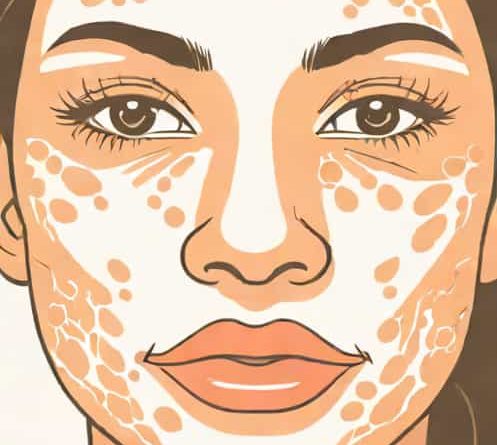
Get Rid Of Perioral Dermatitis
Perioral dermatitis is a common skin condition characterized by redness, bumps, and irritation around the mouth, nose, and sometimes the eyes. It can be uncomfortable, frustrating, and sometimes persistent, affecting both appearance and confidence. Many factors can trigger perioral dermatitis, including the overuse of topical steroids, certain skincare products, hormonal changes, and even stress. While it may appear mild at first, treating perioral dermatitis effectively requires a combination of lifestyle adjustments, proper skincare routines, and, in some cases, medical intervention. Understanding the causes, triggers, and treatment options is essential for those looking to get rid of perioral dermatitis and restore healthy skin.
Understanding Perioral Dermatitis
Perioral dermatitis primarily affects adults, especially women aged 20 to 45, although it can occur in men and children as well. The condition is often confused with acne or eczema due to its appearance, but it has unique characteristics that distinguish it. Small red or pink bumps, mild peeling, and irritation around the mouth and nose are common signs. Unlike acne, these bumps usually do not contain pus, and the area surrounding them may appear flushed or inflamed.
Common Triggers
- Topical SteroidsThe prolonged use of steroid creams or ointments can weaken the skin and trigger perioral dermatitis.
- Skincare ProductsHeavy moisturizers, oily creams, and fluoride-containing toothpaste may irritate sensitive skin.
- Hormonal ChangesFluctuations in hormones, especially in women, can contribute to outbreaks.
- Environmental FactorsSun exposure, wind, and extreme temperatures may aggravate the condition.
- Stress and DietStress, spicy foods, and alcohol can sometimes worsen symptoms.
Medical Treatments for Perioral Dermatitis
When dealing with perioral dermatitis, medical treatment often offers the fastest and most effective relief. Consulting a dermatologist is recommended to confirm the diagnosis and determine the appropriate course of action. Treatments generally focus on reducing inflammation, controlling bacterial growth, and allowing the skin to recover.
Topical Antibiotics
Doctors may prescribe topical antibiotics such as metronidazole or clindamycin to reduce bacterial presence and inflammation. These medications are applied directly to affected areas and are often used for mild to moderate cases of perioral dermatitis. Consistent application over several weeks is typically required to see improvement.
Oral Antibiotics
For more severe or persistent cases, oral antibiotics like doxycycline or tetracycline may be recommended. These medications work systemically to combat inflammation and bacterial overgrowth, helping the skin heal more quickly. Oral treatment usually lasts several weeks to months, depending on the severity of the condition.
Avoiding Steroids
Discontinuing the use of topical steroids is crucial. Although stopping steroid creams can initially worsen the condition temporarily, it is a necessary step for long-term recovery. Dermatologists often provide guidance on gradually reducing steroid use to minimize rebound flare-ups.
Skincare and Lifestyle Adjustments
In addition to medical treatments, adjusting skincare routines and daily habits can significantly aid in managing perioral dermatitis. Gentle care, avoiding irritants, and promoting skin barrier recovery are key strategies.
Gentle Cleansing
- Use mild, fragrance-free cleansers to wash the affected areas.
- Avoid scrubbing or using harsh exfoliants, which can aggravate the skin.
- Pat the skin dry instead of rubbing it.
Avoiding Irritants
- Switch to non-fluoride toothpaste if fluoride is suspected to trigger flare-ups.
- Reduce the use of heavy creams, oily moisturizers, or makeup on affected areas.
- Limit contact with harsh chemicals and products containing alcohol.
Moisturizing Carefully
While the skin needs hydration, choose lightweight, non-comedogenic moisturizers. Products containing soothing ingredients like aloe vera, niacinamide, or ceramides can help restore the skin barrier without exacerbating symptoms.
Home Remedies and Natural Approaches
Some people explore natural remedies to complement medical treatment. While these methods may provide relief for mild cases, it is important to consult a dermatologist before relying solely on home remedies.
Aloe Vera
Aloe vera has anti-inflammatory properties that may help calm redness and irritation. Applying pure aloe vera gel to affected areas can provide gentle soothing effects.
Coconut Oil
For those with dry skin, small amounts of coconut oil may help moisturize and reduce irritation. Use sparingly to avoid clogging pores and worsening symptoms.
Oatmeal Masks
Colloidal oatmeal is known for its soothing properties. Applying a mild oatmeal paste can relieve itching and inflammation temporarily.
Preventing Recurrence
Even after clearing perioral dermatitis, taking preventive measures is crucial to avoid relapse. Understanding triggers, maintaining a gentle skincare routine, and monitoring lifestyle factors can help keep the skin healthy over the long term.
Skincare Habits
- Stick to gentle, non-irritating cleansers and moisturizers.
- Avoid overuse of steroid creams in any part of the body, unless prescribed by a doctor.
- Minimize heavy makeup and always remove it gently at the end of the day.
Lifestyle Management
- Manage stress through relaxation techniques, meditation, or exercise.
- Maintain a balanced diet and monitor foods that may trigger flare-ups.
- Protect skin from extreme environmental conditions using sunscreen and appropriate clothing.
Getting rid of perioral dermatitis requires a comprehensive approach that combines medical treatment, gentle skincare, and lifestyle adjustments. While topical and oral antibiotics can address inflammation and bacterial issues, avoiding triggers like topical steroids and irritants is essential for long-term success. Incorporating mild skincare routines, using soothing natural remedies, and maintaining healthy lifestyle habits can prevent recurrence and support overall skin health. With proper care and professional guidance, individuals can manage perioral dermatitis effectively, reduce discomfort, and restore clear, healthy skin around the mouth and face.