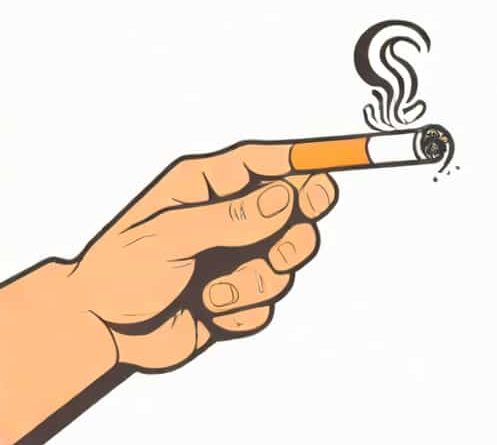
Give The Anarchist A Cigarette
The phrase give the anarchist a cigarette carries a curious mix of rebellion, irony, and cultural commentary. It’s a line that has appeared in literature, music, and casual conversations, often evoking an image of defiance against authority or a wry acknowledgment of chaos. While it may sound like a simple sentence about handing someone a cigarette, the phrase has deeper historical and symbolic roots. Understanding its context helps uncover how it became a memorable expression tied to anti-establishment ideas and artistic freedom.
Origins of the Phrase
The expression give the anarchist a cigarette is often associated with countercultural movements and anarchist philosophy. The phrase is believed to have originated as a remark made to symbolize irony and human empathy – even toward someone seen as rebellious or subversive. In certain contexts, it reflects how society treats its dissenters offering them a small token of humanity, even as it rejects their ideals.
One popular cultural reference comes from the music world. The phrase appeared as the title of an album by the Irish bandBlack 47in 1999, titled Give the Anarchist a Cigarette. The band was known for their politically charged lyrics and focus on themes like revolution, identity, and social struggle. By using this title, they captured the spirit of resistance and irony that the phrase embodies.
However, beyond music, the phrase has also appeared in historical and literary contexts, where anarchists were often romanticized as misunderstood rebels standing up against oppression. The image of offering a cigarette – a moment of shared humanity – to someone condemned or defiant, adds a layer of poignancy and dark humor.
The Symbolism Behind the Phrase
At its core, give the anarchist a cigarette is not about smoking at all. It’s a symbolic gesture, representing a mix of defiance, pity, and recognition. The anarchist, in this metaphor, is someone who challenges order – perhaps facing punishment, isolation, or even execution. Offering a cigarette is a small act of empathy amid the chaos.
A Gesture of Human Connection
In many historical or cinematic depictions, condemned prisoners are offered a final cigarette before execution. This act becomes a universal symbol of dignity and acceptance of fate. When tied to the word anarchist, the gesture transforms into something more layered – it acknowledges rebellion while still affirming humanity. Even those who defy authority deserve compassion in their final moments.
The Irony of Rebellion
The phrase also carries a sharp sense of irony. Cigarettes, though symbols of cool rebellion in popular culture, are also self-destructive. To give the anarchist a cigarette can thus be interpreted as society’s way of pacifying rebellion with a small, meaningless comfort – a temporary distraction from the fight for freedom or justice. It’s a satirical comment on how resistance is often met not with understanding, but with token gestures.
The Anarchist as a Cultural Figure
The term anarchist has long fascinated writers, filmmakers, and musicians. From early political activists to fictional characters, anarchists represent those who reject control and challenge the system. They are both feared and admired, depending on who tells the story. The phrase give the anarchist a cigarette captures this duality perfectly – a blend of mockery and respect, destruction and compassion.
In Literature
In literature, anarchists often appear as tragic or idealistic figures who sacrifice comfort for conviction. Works by authors like Joseph Conrad inThe Secret Agentor Albert Camus inThe Rebelexplore the psychology and moral ambiguity of such characters. The anarchist is rarely one-dimensional; instead, they embody the struggle between chaos and meaning. Within that context, offering a cigarette becomes a deeply human moment – a symbol of understanding in a world of opposition.
In Film and Pop Culture
Film and television have long drawn upon the anarchist archetype. From historical revolutionaries to antiheroes in dystopian settings, the idea of rebellion resonates with audiences. A cigarette, often used as a visual prop, enhances that imagery – it signifies cool detachment, quiet resistance, or resignation. Think of scenes where a character lights up after an act of defiance or before facing danger; it’s an act that says, I accept the chaos.
When someone says give the anarchist a cigarette, it can evoke this cinematic mood – the rebel, calm amid turmoil, exhaling smoke as the world burns around them.
Philosophical Interpretation
Philosophically, the phrase can also be seen as commentary on how societies handle dissent. The anarchist represents radical change – someone who refuses to submit to established order. Giving them a cigarette, then, might symbolize society’s attempt to tame or trivialize them, offering a moment of comfort instead of addressing their demands for transformation.
In this sense, the phrase reflects a broader truth that rebellion and conformity are always in tension. The anarchist cannot be fully destroyed nor fully accepted – so we give them a cigarette, an act both kind and absurd.
Existential Overtones
There’s also an existential flavor to the phrase. It speaks to the fleeting nature of rebellion, mortality, and the search for meaning. The cigarette, burning out slowly, becomes a metaphor for life and resistance itself – temporary, smoky, but undeniably real. The anarchist knows the world may not change, but still chooses to resist. Offering them a cigarette becomes a shared acknowledgment of that futility and courage.
Modern Context and Relevance
Today, give the anarchist a cigarette has evolved beyond its literal origins. It’s sometimes used humorously or sarcastically to describe someone who behaves rebelliously in minor ways – for example, breaking social norms or questioning authority in a conversation. Saying it can be a playful way of recognizing a moment of defiance.
In other cases, the phrase serves as commentary on political resistance and activism. The modern anarchist may be a protester, whistleblower, or artist challenging powerful systems. The phrase reminds us that even acts of rebellion deserve acknowledgment and humanity.
- In politics, it might refer to standing against oppressive systems.
- In art, it reflects creative freedom and nonconformity.
- In daily life, it can describe anyone refusing to simply follow rules without question.
By keeping the phrase alive, people continue to celebrate individuality and the courage to resist conformity, even in small ways.
The Balance Between Defiance and Empathy
Ultimately, give the anarchist a cigarette captures a paradox – defiance met with empathy. It reminds us that even the most radical or disruptive individuals are still human. Rebellion does not strip away the need for compassion. The act of giving – however small – bridges that gap, acknowledging that conviction and kindness can coexist.
At the same time, the phrase critiques the superficiality of symbolic gestures. Offering a cigarette does not erase injustice or resolve conflict. It’s a reminder that genuine understanding requires more than temporary sympathy; it demands confronting the deeper causes of rebellion itself.
The phrase give the anarchist a cigarette is more than just a line – it’s a reflection of irony, humanity, and rebellion. It symbolizes the tension between authority and freedom, punishment and mercy, chaos and compassion. Whether interpreted politically, artistically, or existentially, it continues to resonate as a cultural symbol of empathy within defiance. The next time someone uses it, they might not literally mean to hand over a cigarette – they might be acknowledging a rebel spirit, offering a moment of shared understanding in a world still struggling to balance order and freedom.