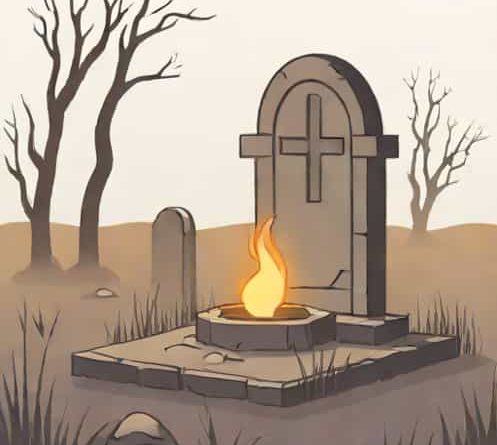
Grave Of The Firefly
Grave of the Fireflies is one of the most emotional and unforgettable animated films ever made. Released in 1988 by Studio Ghibli and directed by Isao Takahata, this Japanese masterpiece tells a story of survival, loss, and the unbreakable bond between siblings during World War II. Despite being an animated film, it captures the raw human experience in a way that few live-action movies have managed to do. Its combination of beautiful animation and heartbreaking storytelling makes it a timeless work of art that continues to resonate with audiences around the world.
The Story of Seita and Setsuko
At its heart,Grave of the Firefliesfollows two siblings Seita, a teenage boy, and his younger sister Setsuko who struggle to survive in Japan after the firebombing of Kobe during World War II. Their journey begins when they lose their home and their mother in an air raid, leaving them to fend for themselves in a world torn apart by war. With their father serving in the navy and communication cut off, they have no one to turn to except each other.
The film portrays their efforts to find food, shelter, and safety amid the chaos. At first, they stay with a distant aunt, but tensions soon rise as resources become scarce and resentment grows. Eventually, Seita decides to take Setsuko away, believing they can survive better on their own. They find temporary refuge in an abandoned bomb shelter, where they try to create a small world of peace and happiness. However, hunger and illness soon take their toll, leading to a tragic conclusion that leaves viewers deeply moved.
Symbolism and Deeper Meaning
Grave of the Firefliesis filled with symbolism that deepens its emotional impact. The fireflies, which appear throughout the film, represent both beauty and fragility a symbol of fleeting life during wartime. Their glow brings brief joy to the children’s dark nights, but their short lifespan reminds viewers of the impermanence of happiness and the inevitability of loss. The image of fireflies dying mirrors the countless innocent lives lost during the war.
The Theme of Innocence and War
One of the central themes of the movie is the loss of innocence. Setsuko, being only a child, does not fully understand the horrors around her. Her innocence and curiosity highlight the tragedy of war that those who suffer most are often the least responsible. Seita’s struggle to protect her reveals the burden that war places on the young, forcing them to mature too quickly while robbing them of their childhood.
Social Commentary
Beyond its emotional story, the film offers a sharp critique of society and the effects of nationalism during wartime. It shows how communities can become indifferent to suffering when survival becomes a priority. The aunt’s selfishness and the townspeople’s apathy reflect a breakdown of social unity. Director Isao Takahata subtly reminds viewers that the greatest tragedies of war are not only caused by bombs and battles, but also by the loss of compassion and humanity.
Animation and Artistic Direction
The visual style ofGrave of the Firefliesis stunningly detailed and realistic. The backgrounds beautifully depict rural Japan fields, rivers, and night skies filled with glowing fireflies creating a sharp contrast with the harshness of the children’s situation. The delicate animation makes every emotion visible, from Setsuko’s innocent laughter to Seita’s quiet despair. Takahata’s decision to use traditional 2D animation rather than exaggerated fantasy elements gives the film an authenticity rarely seen in animation of its time.
Use of Light and Color
The play of light is crucial in this film. Warm tones during peaceful scenes contrast with the cold grays and dark shadows of tragedy. The glow of the fireflies provides moments of hope, while the flickering light from bomb explosions reminds viewers of destruction. This balance between beauty and devastation mirrors the emotional journey of the characters and enhances the overall storytelling.
Emotional Impact and Audience Reaction
Few films have managed to evoke such powerful emotions asGrave of the Fireflies. It is often described as one of the saddest movies ever made, not because of its tragedy alone, but because of its honesty. The audience witnesses not just physical suffering but emotional and psychological pain the slow loss of hope and innocence. Seita’s devotion to his sister and his desperate attempts to protect her make the ending even more heartbreaking.
Universal Themes
Despite being set in Japan during World War II, the film’s message is universal. It speaks to the shared human experiences of love, loss, and resilience. It transcends cultural boundaries by focusing on emotions that everyone can relate to the fear of losing a loved one, the longing for safety, and the will to survive against all odds. This universality is what keeps the film relevant decades after its release.
- It highlights the innocence of childhood destroyed by war.
- It reminds viewers of the value of empathy and compassion.
- It portrays the quiet strength found in human connections.
- It serves as a timeless anti-war statement without preaching.
Comparison to Other War Films
Unlike many war movies that focus on battles or political conflicts,Grave of the Fireflieslooks at war from the ground level through the eyes of civilians, particularly children. It avoids glorifying warfare or depicting heroism. Instead, it captures the silent suffering that happens away from the front lines. This intimate perspective makes it stand out among other films in the genre. It is not a story about winning or losing, but about survival and humanity in the face of destruction.
Legacy and Cultural Significance
Over the years,Grave of the Fireflieshas earned a place among the greatest animated films in history. It is frequently used in discussions about the power of animation to tell serious, emotional stories. Critics have praised it as an essential anti-war film and an example of how animation can move beyond entertainment to deliver profound messages. It has also influenced many filmmakers and artists who aim to blend realism with emotional storytelling.
The movie’s legacy continues to grow as new generations discover it. Many viewers find it difficult to watch more than once because of its emotional weight, yet they also acknowledge its beauty and importance. It serves as a reminder of how storytelling can preserve history and inspire empathy for those who suffered during wartime.
Music and Sound Design
The soundtrack ofGrave of the Firefliesplays a vital role in shaping its emotional tone. Composed by Michio Mamiya, the music is gentle and melancholic, perfectly reflecting the fragile world of the two siblings. The silence in certain scenes is just as powerful as the music allowing moments of stillness to speak louder than words. The distant sounds of air raids, cicadas, and rustling leaves make the atmosphere more immersive, drawing the audience deeper into the world of Seita and Setsuko.
Lessons from Grave of the Fireflies
This film teaches powerful lessons about humanity and the consequences of war. It encourages reflection on how easily people can become numb to others’ suffering and how compassion can fade in difficult times. Through Seita and Setsuko’s story, viewers are reminded that every statistic of war represents real people families, children, and dreams lost too soon. It also highlights the resilience of love, even in the darkest moments, as Seita’s unwavering care for his sister becomes both heartbreaking and inspiring.
Grave of the Firefliesis not just an animated film; it is a deeply moving human story that transcends genre and age. Its combination of beautiful visuals, emotional depth, and historical realism makes it a masterpiece that continues to touch hearts worldwide. Watching it is not simply about entertainment it is about empathy, remembrance, and understanding the true cost of war. Long after the credits roll, the image of the fireflies and the bond between Seita and Setsuko remain etched in memory, reminding us of the fragility of life and the enduring strength of love.