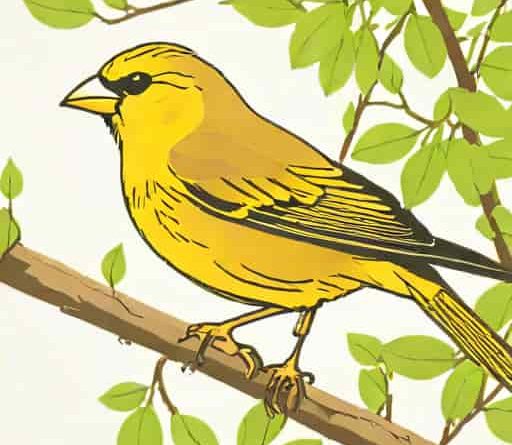
Greenfinch Or Yellowhammer
The greenfinch and the yellowhammer are two common and easily recognizable birds found throughout Europe and parts of Asia. They are often admired by birdwatchers for their distinctive colors, melodic calls, and interesting behaviors. Although they share some similarities as small, seed-eating birds, they are very different in appearance, habitat preference, and vocalizations. The greenfinch, known for its bright green plumage with yellow highlights, is often found in gardens, parks, and woodlands, while the yellowhammer is famous for its striking yellow head and chest and its melodic, little-bit-of-bread-and-no-cheese song. Observing these two species provides insight into the diversity of bird life in temperate regions and highlights the importance of habitat preservation for common yet increasingly threatened species.
Overview of the Greenfinch
The greenfinch (Chloris chloris) is a small passerine bird in the finch family, Fringillidae. Adult males are characterized by bright green plumage with yellow on the wings and tail, while females tend to be duller with more olive-brown tones. Greenfinches are social birds, often forming flocks during the winter months, and they are known for their agility when feeding on seeds. Their diet primarily consists of seeds, including those from garden feeders, which makes them a favorite among backyard birdwatchers. Greenfinches can adapt well to human-altered landscapes, but their populations have been impacted in recent years by the spread of disease such as trichomoniasis.
Behavior and Feeding Habits
- Greenfinches are primarily granivorous, feeding on seeds from trees, shrubs, and garden feeders.
- They often feed in flocks, especially during the winter, which provides protection from predators.
- These birds are agile and can cling to seed heads or feeders while feeding.
- Their song is a pleasant, twittering warble used in territorial displays and courtship.
Overview of the Yellowhammer
The yellowhammer (Emberiza citrinella) is a striking passerine bird in the bunting family. Adult males are bright yellow on the head and chest with streaked brown wings and back, while females and juveniles are more subdued in color, usually brown with yellow hints. Yellowhammers are often associated with farmland, hedgerows, and open countryside, making them a symbol of rural landscapes in Europe. Their diet is also seed-based, supplemented by insects during the breeding season to provide protein for their young. One of the most distinctive features of the yellowhammer is its song, which has been likened to the phrase a little bit of bread and no cheese, making it one of the most easily identifiable bird songs in its range.
Behavior and Feeding Habits
- Yellowhammers feed primarily on seeds, but they will consume insects, particularly during breeding season.
- They are often seen foraging on the ground, scratching at soil and leaf litter.
- During the winter, they may form small flocks but are less gregarious than greenfinches.
- Their song is a repeated, descending sequence of notes, used to establish territory and attract mates.
Differences Between Greenfinch and Yellowhammer
While both species are small, seed-eating birds, several key differences make them easy to distinguish in the field. Greenfinches have a predominantly green and yellow color scheme and are highly social, often forming larger winter flocks. In contrast, yellowhammers are more strongly yellow on the head and chest, with brown streaked backs and are less social outside of the breeding season. Habitat preference is another distinction greenfinches are often found in gardens and woodlands, whereas yellowhammers are more common in farmland, open hedgerows, and countryside edges. Additionally, their songs and calls are noticeably different, with greenfinches producing a twittering warble and yellowhammers delivering a rhythmic, descending tune.
Key Identifying Features
- Greenfinch bright green body with yellow wing bars, social flocking behavior, garden and woodland habitats.
- Yellowhammer yellow head and chest with streaked brown back, ground foraging, open farmland and hedgerow habitats.
- Greenfinch song soft twittering warble, often heard from high perches.
- Yellowhammer song descending melodic phrase reminiscent of a little bit of bread and no cheese.
Conservation Status
Both greenfinches and yellowhammers have experienced population changes in recent years due to habitat loss, agricultural intensification, and disease. Greenfinches have been particularly affected by the spread of trichomoniasis, which has led to local population declines. Yellowhammers are more sensitive to changes in farmland practices, including the removal of hedgerows and wildflower margins, which reduces available nesting sites and food sources. Conservation efforts for these species include maintaining diverse gardens and farmland habitats, monitoring populations, and supporting wildlife-friendly farming practices.
Conservation Measures
- Providing seed feeders and water in gardens for greenfinches.
- Preserving hedgerows and open countryside habitats for yellowhammers.
- Encouraging wildlife-friendly farming practices that maintain insect and seed diversity.
- Monitoring populations to detect disease outbreaks early and implement measures to mitigate impact.
Birdwatching Tips
Birdwatchers often enjoy observing greenfinches and yellowhammers due to their distinctive colors and behaviors. Greenfinches can be attracted to gardens with sunflower seeds and nyjer, making them relatively easy to spot in urban and suburban areas. Yellowhammers are more easily seen in rural areas, particularly along field edges, hedgerows, and small woods. Early morning or late afternoon visits often provide the best opportunities to hear and see their songs, as both species are most active during these times.
Observation Techniques
- Use binoculars to observe plumage details, such as the greenfinch’s yellow wing bars or the yellowhammer’s streaked back.
- Listen for the distinctive songs to locate individuals and flocks.
- Be patient and move slowly to avoid disturbing feeding or nesting birds.
- Note the habitat type to help distinguish between the species.
Ecological Importance
Both greenfinches and yellowhammers play important roles in their ecosystems. As seed eaters, they contribute to plant dispersal and help maintain healthy vegetation dynamics. Insect consumption by yellowhammers during the breeding season aids in controlling insect populations, benefiting crops and natural plant communities. These species also provide food for predators and contribute to biodiversity, making them valuable components of European and Asian temperate ecosystems. Their presence indicates healthy habitats and provides educational and recreational value to birdwatchers and nature enthusiasts.
The greenfinch and the yellowhammer are two iconic bird species that bring color, song, and ecological value to their respective habitats. Despite some similarities as small, seed-eating passerines, they are easily distinguishable through plumage, song, behavior, and habitat preference. Greenfinches thrive in gardens and woodlands, forming social flocks and providing a cheerful warble, while yellowhammers are associated with farmland and hedgerows, recognized for their bright yellow plumage and memorable descending song. Both species face challenges from habitat loss and disease, underscoring the importance of conservation efforts and wildlife-friendly practices. Observing these birds offers both enjoyment and insight into the delicate balance of temperate ecosystems, and their continued presence is vital for biodiversity and cultural appreciation of nature.