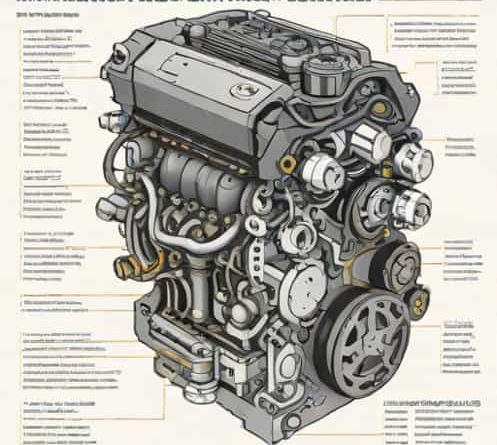
Gt7 Engine Swap List
Gran Turismo 7 (GT7) offers players one of the most immersive driving experiences in racing simulation, with a strong focus on car customization and performance upgrades. One of the most exciting features in GT7 is the engine swap system, which allows players to drastically change the performance, sound, and handling characteristics of their vehicles. This feature opens up endless possibilities for tuning and experimentation, as players can take a standard car and transform it into a high-powered racing machine or a drift-ready beast. Understanding the GT7 engine swap list is essential for enthusiasts who want to optimize their cars and explore the full potential of the game.
Understanding Engine Swaps in GT7
Engine swapping in GT7 is not just about increasing horsepower; it involves selecting an engine that complements the car’s weight, drivetrain, and intended purpose. Players can replace the stock engine with one from a different model or even a different manufacturer. This allows for creative builds, including turbocharged upgrades, naturally aspirated swaps, or even classic V8 conversions. Knowing the GT7 engine swap list helps players plan their upgrades effectively and achieve the desired performance outcomes.
Types of Engine Swaps
In GT7, engine swaps can generally be divided into a few categories
- OEM SwapsReplacing the stock engine with another engine from the same manufacturer. This often maintains balance but adds performance.
- Cross-Brand SwapsUsing engines from a different manufacturer to achieve unique characteristics. For example, installing a Ferrari V8 in a Japanese sports car.
- High-Performance UpgradesSwapping for racing-specific engines like turbocharged inline-sixes, V10s, or even V12s to maximize speed and acceleration.
- Classic Engine SwapsInstalling older, iconic engines for nostalgia or unique sound profiles, such as muscle car V8s.
Popular Engine Swaps in GT7
Some engine swaps in GT7 have gained popularity due to their performance potential and the fun factor they provide. Players often experiment with different combinations to achieve either the fastest lap times or the most entertaining driving experience. Here are a few notable examples
Japanese Cars with V8 Engines
Many GT7 players enjoy swapping Japanese sports cars with high-revving V8 engines. For instance, installing a V8 from a Nissan GT-R or Toyota Supra into a smaller chassis can dramatically improve acceleration and top speed. This type of swap is ideal for drag racing or creating a unique street-legal performance build.
European Supercars with Turbocharged Engines
European supercars often benefit from engine swaps that add forced induction. Players might swap a naturally aspirated engine for a turbocharged unit from another supercar to gain additional power and torque. This enhances both track performance and overall handling dynamics, giving players more control in corners and straights alike.
Classic Muscle Car Conversions
Classic American muscle cars in GT7 can be transformed by installing modern engines with higher performance. Swapping a 1960s V8 for a contemporary supercharged unit allows players to enjoy the aesthetic and nostalgic appeal of classic cars while achieving modern-day performance. This is especially popular for players who enjoy drag racing or creating high-horsepower street builds.
Factors to Consider When Swapping Engines
While the GT7 engine swap list offers many options, players need to consider several factors before performing a swap. Choosing the wrong engine can result in poor handling, excessive weight, or imbalance in power delivery. Here are key considerations
Weight Distribution
The weight of the new engine can affect the car’s handling. Heavier engines might improve straight-line stability but could negatively impact cornering performance. Lighter engines often improve agility but may reduce traction at higher speeds.
Drivetrain Compatibility
Not all engines are compatible with every drivetrain configuration. Players need to ensure that the new engine works with either front-wheel drive, rear-wheel drive, or all-wheel drive setups. GT7 provides detailed options for converting drivetrain layouts to accommodate powerful engine swaps.
Performance Goals
Players should define their performance goals before swapping engines. Are they aiming for top speed, acceleration, drift capability, or balanced handling? Choosing the right engine according to these objectives is essential for optimizing the car’s performance.
Cost and Upgrades
Engine swaps in GT7 often require additional upgrades such as transmission adjustments, ECU tuning, cooling systems, and suspension modifications. Players should factor in the total cost of building a competitive car when selecting an engine from the swap list.
GT7 Engine Swap List Highlights
The GT7 engine swap list includes a wide variety of options, from small inline engines to high-performance V12s. While the complete list is extensive, some highlights include
- Nissan RB26DETT Popular for high-revving builds in Japanese cars.
- Toyota 2JZ-GTE Legendary engine for turbocharged conversions.
- Ferrari F136 V8 Often swapped into smaller European chassis for exotic builds.
- Chevrolet LS3 Widely used in muscle car and Japanese chassis swaps for massive V8 power.
- Lamborghini V10 Ideal for creating high-speed supercar experiences.
- BMW S65 V8 Provides excellent high-rev performance in lightweight builds.
- Ford Coyote V8 Versatile engine for street and drag racing projects.
Tips for Using the Engine Swap List Effectively
To make the most of GT7 engine swaps, players should follow these strategies
- Experiment with different engine and car combinations to find the perfect balance of speed and handling.
- Upgrade supporting components like transmissions, brakes, and suspension to handle increased power.
- Test swaps in various race conditions, including circuits, drag strips, and drift courses, to understand performance dynamics.
- Consult the GT7 community for recommended swaps and optimization tips based on real player experiences.
The GT7 engine swap list is a powerful tool that allows players to redefine their vehicles and explore creative performance builds. From Japanese inline engines to European V10s and classic American V8s, the options are extensive and offer nearly limitless customization potential. Successful engine swaps require careful consideration of weight distribution, drivetrain compatibility, and performance goals. By understanding the GT7 engine swap list and experimenting with different combinations, players can enhance their racing experience, create unique cars, and enjoy the full depth of Gran Turismo 7’s car customization system. Whether pursuing top speed, drift mastery, or balanced performance, engine swapping remains one of the most exciting features in the game.