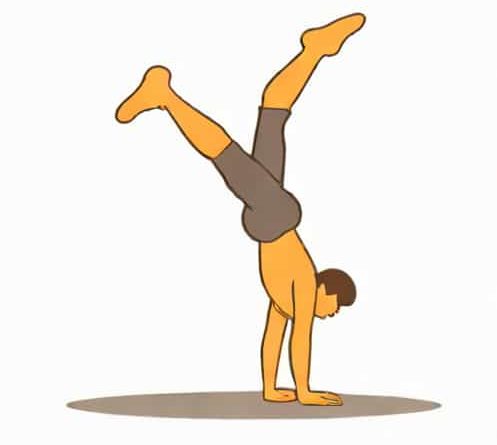
How To Hold A Handstand Longer
Holding a handstand for an extended period requires more than just strength; it involves balance, body awareness, and consistent practice. Many people struggle to maintain a handstand because they underestimate the coordination and core engagement necessary to stabilize the body upside down. Whether you are practicing handstands for gymnastics, yoga, calisthenics, or general fitness, improving your ability to hold a handstand longer can enhance overall strength, improve posture, and increase confidence in movement. By focusing on proper alignment, strengthening key muscle groups, and implementing effective training techniques, anyone can gradually increase their handstand endurance and control.
Understanding the Mechanics of a Handstand
Before learning to hold a handstand longer, it is important to understand how the body balances while inverted. A handstand is essentially a controlled fall, where your body must constantly adjust to maintain equilibrium. The hands act as the base of support, while the shoulders, core, and legs work together to keep the center of gravity aligned over the hands. Small adjustments in wrist pressure, shoulder engagement, and core tension are constantly required to prevent tipping forward or backward.
Key Muscle Groups Involved
- Shoulders Provide stability and prevent collapsing forward.
- Core muscles Engage to maintain a straight body line and prevent arching or sagging.
- Wrists and forearms Support balance by adjusting pressure and angles against the floor.
- Glutes and legs Maintain alignment and tension to reduce wobbling.
Proper Handstand Alignment
Maintaining correct alignment is crucial to holding a handstand longer. Poor alignment leads to faster fatigue and makes balance harder to control. Focus on creating a straight line from wrists to toes, keeping the body tight and engaged throughout the hold.
Hand Placement
- Place your hands shoulder-width apart for stability.
- Spread fingers wide to increase the base of support and improve grip on the floor.
- Use fingertips to make small adjustments and correct balance shifts.
Body Position
- Engage your core by tightening your abdominal muscles to prevent sagging.
- Squeeze your glutes to maintain a straight line from hips to feet.
- Keep legs together and toes pointed to enhance body tension and control.
- Align your head neutrally, looking slightly forward rather than tucking the chin or craning the neck.
Training Techniques to Hold a Handstand Longer
Increasing handstand duration is a process that involves both strength training and skill practice. Gradually, your body adapts to the demands of being upside down, improving endurance, balance, and confidence.
Wall-Assisted Handstands
Using a wall is a great way to practice balance and build strength without the fear of falling. It allows you to focus on alignment and core engagement while gradually increasing hold times.
- Kick up into a handstand with your back facing the wall or chest facing the wall.
- Keep your body tight and press through your shoulders to avoid arching.
- Hold for as long as comfortable, aiming to increase the duration over time.
- Gradually move slightly away from the wall to practice balance independently.
Freestanding Practice
Once you feel confident with wall-assisted handstands, transition to freestanding handstands to develop balance and coordination. Practice controlled entries, small adjustments with hands, and focusing on micro-movements to stay upright.
- Start with short holds and gradually extend the time as your muscles adapt.
- Use a soft surface like a mat to reduce fear and encourage longer practice sessions.
- Record yourself to analyze form and identify areas for improvement.
Strength and Conditioning Exercises
Building the necessary strength is essential for holding handstands longer. Focus on exercises that strengthen shoulders, core, wrists, and glutes.
- Planks and hollow body holds to build core stability.
- Shoulder presses or pike push-ups to enhance shoulder endurance.
- Wrist stretches and strengthening exercises to prevent fatigue and injury.
- Glute bridges and leg raises to maintain tension and alignment during the hold.
Balance Drills
Improving balance helps maintain a handstand without falling prematurely. Small adjustments with your hands and wrists allow for better control while upside down.
- Shift weight slightly between fingertips and heels of the hands to correct forward or backward tipping.
- Practice handstand rocking gently sway front to back to train balance responses.
- Perform freestanding handstands near a wall for safety, lightly touching it for feedback on your balance.
Breathing and Mental Focus
Many people underestimate the importance of breathing and mental focus when holding a handstand. Controlled breathing and concentration reduce tension and improve endurance.
Breathing Techniques
- Take slow, deep breaths to supply muscles with oxygen and prevent fatigue.
- Avoid holding your breath, as this increases tension and reduces endurance.
- Coordinate breath with subtle movements to maintain balance.
Mental Strategies
- Focus on a point on the floor or a visual cue to stabilize orientation.
- Visualize holding the handstand successfully to reinforce confidence.
- Break the hold into smaller mental segments, aiming to maintain for a few seconds at a time and gradually extending the duration.
Common Mistakes to Avoid
Being aware of common mistakes helps prevent frustration and accelerates progress. Avoid these errors to hold your handstand longer effectively.
- Arching the back excessively, which destabilizes the center of gravity.
- Flaring the legs apart, reducing control and creating imbalance.
- Neglecting shoulder engagement, leading to early collapse.
- Rushing the handstand without proper warm-up or alignment practice.
Consistency and Progression
Improving handstand duration requires consistent practice. Set aside time daily or several times a week to focus on handstands, gradually increasing hold time, strength exercises, and balance drills. Track your progress, celebrate small improvements, and adjust your training as needed. With patience and structured practice, you will notice significant gains in your handstand endurance and control.
Holding a handstand longer is a combination of proper alignment, strength, balance, and mental focus. By understanding the mechanics of a handstand, training relevant muscles, practicing wall-assisted and freestanding holds, and incorporating breathing and mental strategies, you can gradually increase your duration. Avoiding common mistakes and maintaining consistency in practice ensures steady improvement. Over time, patience and dedication will allow you to hold handstands with stability, control, and confidence, enhancing both your physical fitness and body awareness.