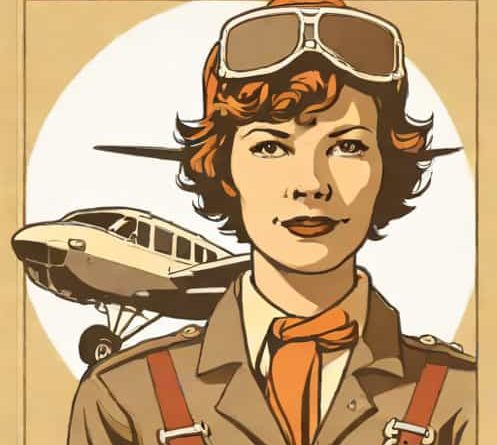
I Am Amelia Earhart
I am Amelia Earhart, a name synonymous with courage, determination, and the pioneering spirit of aviation. From my early fascination with airplanes to becoming the first female aviator to fly solo across the Atlantic Ocean, my life has been defined by a relentless pursuit of adventure and breaking boundaries. My story continues to inspire generations of pilots, adventurers, and individuals seeking to challenge societal expectations. Understanding who I am, my achievements, and the legacy I left behind provides insight into the world of early aviation and the extraordinary challenges faced by women in a male-dominated field.
Early Life and Background
I was born Amelia Mary Earhart on July 24, 1897, in Atchison, Kansas. Growing up, I was curious, adventurous, and determined to explore the world. From a young age, I demonstrated an interest in mechanics, exploration, and physical activities, all of which fueled my eventual passion for aviation. My family supported my ambitions, though the social norms of the time often limited the roles available to women. Despite these challenges, I pursued experiences that nurtured my skills and prepared me for the daring career that lay ahead.
Childhood and Influences
My childhood was marked by a love for reading, adventure, and hands-on experimentation. I attended school in Kansas and later moved with my family, exploring different regions and learning about the world around me. Influential figures in my early life, including my parents and supportive mentors, encouraged me to pursue nontraditional paths for women. My fascination with mechanics and flight began after witnessing a plane at a local fair, sparking a dream that would define my future.
Path to Aviation
My first real experience with flight occurred in 1920, when I attended an airshow and took my first plane ride. This experience ignited a lifelong passion for aviation. I soon sought flying lessons and worked tirelessly to gain proficiency. Learning to fly was challenging, but my determination, persistence, and willingness to take risks propelled me forward. By 1921, I was training at Kinner Field in Los Angeles, where I honed my skills and prepared for the groundbreaking accomplishments that would make me a household name.
Early Achievements
During the early 1920s, I set several records and achieved milestones that demonstrated my skill and ambition. I became the 16th woman in the United States to earn a pilot’s license and set speed and altitude records for female pilots. My visibility in the aviation community grew, and I was invited to participate in public events and exhibitions, inspiring young women to pursue aviation. These early successes laid the foundation for the historic flights that would define my legacy.
Historic Flights and Records
I am perhaps best known for my solo transatlantic flight in 1932, which cemented my place in aviation history. Flying from Newfoundland to Ireland, I became the first woman to complete this journey alone, a feat that required courage, skill, and unwavering focus. The flight took nearly 15 hours and challenged me with harsh weather conditions, navigational difficulties, and the physical strain of long hours in the cockpit. This accomplishment brought me international recognition and inspired countless people to follow their dreams, regardless of obstacles.
Other Notable Achievements
In addition to my transatlantic flight, I achieved numerous milestones that contributed to my reputation as a pioneering aviator
- Setting speed and altitude records for female pilots in the early 1920s and 1930s.
- Becoming the first person to fly solo from Los Angeles to Mexico City in 1928.
- Participating in the first transcontinental flight across the United States by women pilots.
- Promoting the role of women in aviation through public speaking and advocacy.
Each accomplishment demonstrated not only technical skill but also the determination to challenge societal norms and expand opportunities for women in aviation and beyond.
Advocacy and Influence
Beyond my personal achievements in flight, I am known for advocating for women in aviation and other nontraditional careers. I co-founded organizations, participated in public speaking engagements, and wrote topics to inspire women to pursue their ambitions. My advocacy emphasized skill, preparation, and confidence, encouraging women to take risks and challenge limitations. These efforts contributed to a broader cultural shift, helping to expand professional opportunities for women in fields historically dominated by men.
Public Speaking and Writing
I frequently engaged with the public through speeches, interviews, and written works. I shared my experiences, lessons learned from aviation, and the importance of perseverance and courage. These communications helped elevate the visibility of female aviators and inspired a generation to pursue careers in aviation, science, and other challenging fields. My writing often highlighted practical advice, motivational insights, and the importance of embracing innovation and adventure.
Final Flight and Disappearance
My final journey in 1937 remains one of the most enduring mysteries of aviation history. Attempting to circumnavigate the globe with navigator Fred Noonan, we departed from Miami with plans to complete a 29,000-mile flight. After leaving Lae, New Guinea, for Howland Island, our aircraft vanished without a trace. Extensive search efforts yielded no conclusive evidence of our fate, fueling speculation, research, and public fascination. The disappearance has contributed to a lasting legacy, highlighting the risks inherent in exploration and the courage required to pursue groundbreaking endeavors.
Legacy of the Final Flight
The mystery surrounding my disappearance has captivated the public imagination for decades. It underscores the adventurous spirit that guided my life and serves as a symbol of the unknown challenges faced by pioneers. My final flight has inspired books, documentaries, and research, keeping my story alive and relevant for future generations. It also reinforces the importance of preparation, resilience, and innovation in the face of uncertainty.
Impact and Recognition
My contributions to aviation have earned recognition from governments, institutions, and the general public. Awards, commemorations, and honorary distinctions reflect both my achievements as a pilot and my influence on society. Schools, airports, and museums have honored my name, and my story continues to be taught in educational settings to illustrate courage, perseverance, and the transformative power of pursuing one’s dreams. The impact of my life extends far beyond aviation, symbolizing the broader human quest for exploration and progress.
Cultural Influence
Amelia Earhart has become a cultural icon representing bravery, independence, and the breaking of barriers. Films, literature, and media portrayals celebrate my life, emphasizing the lessons of determination and resilience. My influence continues to encourage women and men alike to pursue challenges that test their limits, fostering a legacy of empowerment and inspiration. The name Amelia Earhart evokes not only historical achievements but also a spirit of adventure that resonates across generations.
I am Amelia Earhart, a woman whose life was defined by a passion for flight, a dedication to pioneering achievements, and an unwavering belief in the potential of women to break societal limitations. From my early experiences in Kansas to record-setting flights across oceans, and from advocacy for women in aviation to my mysterious final journey, my story embodies courage, innovation, and determination. My legacy continues to inspire explorers, aviators, and dreamers around the world, reminding all who learn about my life that boldness, skill, and perseverance can shape history and encourage future generations to reach for the skies.