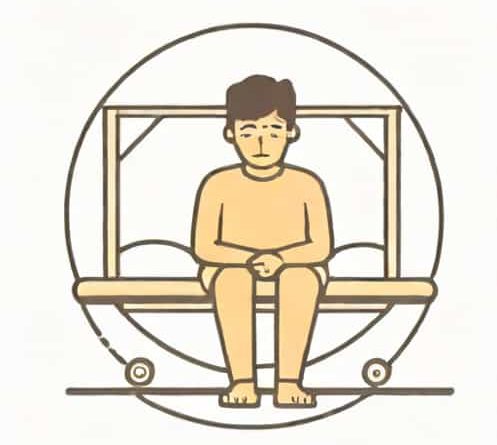
I Was Born To Suffer
There are moments in life when the phrase I was born to suffer echoes in the minds of many people who feel burdened by hardships, disappointments, and pain. It is not merely an expression of despair but also a reflection of the human condition that is filled with struggle. Everyone faces unique challenges, and suffering often becomes part of one’s story. While the phrase might sound pessimistic, it can also open the door to discussions about resilience, meaning, and the search for purpose in adversity. By understanding what suffering represents, people can learn how to transform it into growth and strength.
Understanding the Meaning of Suffering
Suffering takes many forms emotional, physical, mental, and spiritual. For some, it feels like an endless cycle where happiness is temporary, and struggles keep returning. When someone says I was born to suffer, it usually points to a deep sense of helplessness or belief that their destiny is tied to hardship. However, suffering is also universal. Everyone, regardless of background, wealth, or status, encounters it at some point in life.
The Emotional Side of Suffering
Emotional suffering is one of the most common experiences. People go through heartbreak, loneliness, grief, and betrayal. These emotions can be overwhelming, making someone feel as though pain defines their very existence. The feeling of being born to suffer may arise when people face repeated emotional setbacks.
The Physical Burden
Chronic illness, disability, and long-term health challenges also make individuals believe that their lives are marked by suffering. When pain becomes part of daily life, hope can feel distant. Yet, history shows countless examples of individuals with severe conditions who found meaning and even joy despite physical struggles.
The Mental Struggle
Anxiety, depression, and constant stress contribute to the belief of being destined for suffering. Mental health plays a crucial role in how people view life. Without proper support or coping strategies, the phrase I was born to suffer becomes a mental label that reinforces negative thinking patterns.
Why People Feel They Were Born to Suffer
The belief often comes from a mix of personal experiences, cultural influences, and inner battles. Some of the most common reasons include
- Traumatic experiencesfrom childhood or adulthood that shape identity.
- Unrealistic expectationsthat lead to constant disappointment.
- Comparisons with others, making one feel unlucky or less deserving.
- Lack of support systemsthat leaves individuals isolated in their pain.
- Spiritual or philosophical beliefsthat frame suffering as a life sentence.
The Paradox of Suffering and Growth
Although suffering is painful, it is also one of the greatest teachers. Some of the most profound human achievements and insights have come from those who endured hardship. The phrase I was born to suffer might initially suggest hopelessness, but it can be reframed as an acknowledgment of life’s challenges that ultimately build strength and empathy.
Suffering as a Path to Wisdom
Life lessons are often learned through pain. Enduring hardship teaches patience, resilience, and the value of joy. Many people look back on difficult experiences and realize they grew stronger because of them.
Suffering Builds Compassion
Those who know pain deeply often develop a greater capacity for compassion. They are able to empathize with others in similar situations and offer genuine support. This shared understanding of struggle creates deeper human connections.
The Role of Perspective
How one views suffering makes a difference. Some see it as an obstacle, while others view it as part of the journey. The statement I was born to suffer can be replaced with I was born to overcome suffering, which shifts the focus from despair to resilience.
Ways to Cope with the Feeling of Being Born to Suffer
While it is natural to feel overwhelmed, there are strategies to cope with and transform suffering into something meaningful
- AcceptanceAcknowledging suffering without denial is the first step to healing.
- Self-expressionWriting, art, or speaking about pain helps release emotions.
- Seeking supportTherapy, community, or friendships can provide perspective and relief.
- Mindfulness and meditationPractices that center the mind help reduce mental suffering.
- Spiritual reflectionMany find comfort in faith or philosophy that views suffering as part of growth.
- Purpose-driven livingRedirecting pain into meaningful goals can transform despair into motivation.
The Cultural and Historical Lens of Suffering
Throughout history, cultures and philosophies have grappled with the role of suffering. In some traditions, suffering is seen as a test, in others as a necessary stage for enlightenment. For example, certain philosophical schools argue that without suffering, there is no appreciation of happiness. The human story is filled with accounts of individuals who turned their hardships into triumphs, reinforcing the idea that while suffering is universal, the response to it is personal.
Philosophical Reflections
Thinkers from different eras have pondered the meaning of suffering. Some saw it as inevitable, while others believed it had transformative power. The recurring theme is that suffering shapes identity and challenges individuals to grow beyond their limitations.
Religious Interpretations
Many religions address the question of suffering directly. Some traditions view it as a test of faith, others as a path to purification, and some as a reminder of the impermanence of life. These perspectives often provide comfort to those who believe they were born to suffer, showing that pain can carry deeper meaning.
Transforming the Statement I Was Born to Suffer
It is possible to reframe this statement into something more empowering. Instead of accepting suffering as destiny, one can view it as part of a larger story of endurance and growth. Here are a few alternative ways to reinterpret the phrase
- I was born to learn through suffering.
- I was born to rise above suffering.
- I was born to transform suffering into strength.
- I was born to help others through my suffering.
By changing perspective, suffering no longer becomes the end of the story but the beginning of transformation.
Finding Hope Beyond Suffering
Even when life feels unbearable, hope can exist in small moments. A kind word, a supportive friend, or a quiet personal victory can serve as reminders that not everything is pain. Building hope requires intentional focus on what is meaningful, no matter how small. The phrase I was born to suffer can shift into I was born to endure or I was born to find light, opening possibilities for healing.
Daily Practices to Cultivate Hope
Small actions can gradually transform a mindset centered on suffering into one focused on resilience
- Keeping a gratitude journal to notice positive aspects of life.
- Setting realistic goals that provide a sense of achievement.
- Spending time in nature to reconnect with calmness and renewal.
- Engaging in acts of kindness, which also uplift personal well-being.
- Practicing self-care through rest, healthy eating, and exercise.
The phrase I was born to suffer captures a deep emotional reality that many people experience. While suffering is a part of life, it does not have to define destiny. By understanding its meaning, embracing coping strategies, and reframing perspective, individuals can discover resilience and even purpose within hardship. Suffering, though painful, can become a source of wisdom, compassion, and transformation. Instead of seeing it as a life sentence, one can embrace it as a stepping stone toward strength and growth.