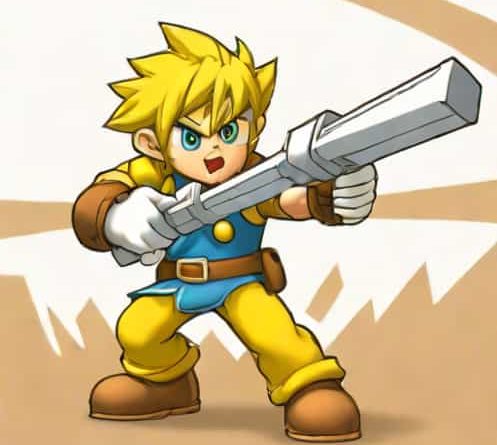
In Super Smash Bros
Super Smash Bros. is one of the most iconic and enduring fighting game franchises in video game history, celebrated for its unique approach to multiplayer combat, expansive roster of characters, and engaging gameplay mechanics. Since its debut in 1999 on the Nintendo 64, Super Smash Bros. has captured the attention of casual players and competitive gamers alike, offering a crossover experience that brings together characters from various Nintendo franchises and beyond. The series’ appeal lies not only in its chaotic and fast-paced battles but also in its depth of strategy, variety of stages, and innovative mechanics that differentiate it from traditional fighting games. Understanding the history, gameplay elements, characters, and competitive scene of Super Smash Bros. reveals why it continues to be a cornerstone of modern gaming culture.
History of Super Smash Bros.
The Super Smash Bros. series began as a project led by Masahiro Sakurai, who envisioned a fighting game that differed from typical genre conventions. Instead of reducing characters to lifebars, he designed a system where players accumulate damage percentages, making them easier to knock off the stage as their damage increases. The first game, released for the Nintendo 64 in 1999, featured twelve playable characters and simple yet engaging mechanics. Its combination of familiar Nintendo characters and innovative gameplay mechanics quickly garnered attention and established a strong foundation for future installments.
Evolution Across Consoles
Over the years, the Super Smash Bros. series has expanded across multiple Nintendo platforms, each iteration improving graphics, controls, and character rosters. Super Smash Bros. Melee for the GameCube introduced faster gameplay and competitive balance, becoming a favorite in the competitive scene. Brawl for the Wii added new mechanics, such as the Final Smash attacks, while Super Smash Bros. for Nintendo 3DS and Wii U brought online play and additional accessibility. The latest installment, Super Smash Bros. Ultimate for the Nintendo Switch, boasts the largest roster in the series’ history, with over 80 playable characters from a wide range of gaming franchises.
Gameplay Mechanics
The core gameplay of Super Smash Bros. revolves around knocking opponents off a series of dynamic stages. Each character has a unique set of moves, including standard attacks, special attacks, and aerial maneuvers. Damage percentages increase as characters are hit, making them more susceptible to being knocked off the stage. This system emphasizes positioning, timing, and strategic use of items and attacks. Unlike traditional fighting games that focus on depleting health bars, Super Smash Bros. encourages chaotic, multi-character battles where skillful maneuvering and situational awareness are key to victory.
Stages and Items
Stages in Super Smash Bros. are diverse, often based on popular Nintendo games and featuring unique hazards and layouts. Some stages are static, while others include moving platforms, environmental hazards, or interactive elements that can influence combat. Items such as healing items, weapons, and power-ups add another layer of unpredictability and strategy. While competitive play often minimizes or disables items, casual players enjoy the chaos and creativity that these features introduce, keeping battles dynamic and entertaining.
Character Variety
One of Super Smash Bros.’s defining features is its expansive roster, which combines characters from Nintendo franchises like Mario, The Legend of Zelda, and Pokémon, along with guest characters from third-party games such as Sonic the Hedgehog, Mega Man, and Solid Snake. Each character has unique abilities, weight, speed, and attack patterns, providing a variety of playstyles and strategic options. Players often spend time mastering their preferred characters while learning counters and strategies for dealing with others, making the game both accessible for beginners and deep enough for competitive enthusiasts.
Competitive Scene
Super Smash Bros. has developed a thriving competitive community, particularly around Melee and Ultimate. Tournaments and events, both local and international, draw players of all skill levels, offering substantial prizes and recognition. Competitive play emphasizes technical skill, character knowledge, and strategic thinking. Melee, in particular, is known for its precise mechanics, fast gameplay, and extensive depth, which have sustained a dedicated competitive community for over two decades. Ultimate has also cultivated a growing scene, with professional players and esports organizations sponsoring tournaments worldwide.
Strategies and Techniques
Competitive Super Smash Bros. requires mastery of movement, timing, and attack combinations. Techniques such as edge guarding, juggling, and shielding are critical for maintaining control of the stage. Players also learn to read opponents, predict movements, and adapt strategies mid-game. In addition, understanding each character’s strengths and weaknesses is crucial, as matchups can significantly influence outcomes. The combination of fast-paced reflexes and strategic planning makes Super Smash Bros. both challenging and rewarding for competitive players.
Impact on Gaming Culture
Super Smash Bros. has had a profound impact on gaming culture, influencing how crossover titles are designed and how multiplayer experiences are approached. Its success has inspired other developers to experiment with genre-blending mechanics and character crossovers. The series’ emphasis on fun, chaotic gameplay makes it appealing for players of all ages, while its competitive depth ensures longevity and engagement. Iconic tournaments, fan communities, and extensive online content have cemented Super Smash Bros. as a cultural phenomenon beyond just video games, influencing memes, streaming content, and community events.
Accessibility and Appeal
Part of the series’ enduring appeal lies in its accessibility. Beginners can enjoy chaotic multiplayer matches with simple controls, while advanced players explore deeper mechanics and competitive strategies. The combination of recognizable characters, engaging gameplay, and dynamic stages makes Super Smash Bros. appealing for casual parties, family gaming, and professional esports. Its balance of simplicity and depth allows it to maintain relevance across multiple generations of gamers.
Super Smash Bros. is more than just a fighting game; it is a celebration of Nintendo’s rich gaming history and the broader world of video games. Its innovative gameplay, extensive character roster, dynamic stages, and thriving competitive scene have made it a beloved franchise for over two decades. The series appeals to both casual and competitive players, offering chaotic fun, strategic depth, and a platform for iconic crossover moments. By blending accessibility with complexity, Super Smash Bros. continues to influence gaming culture, connect diverse gaming communities, and set standards for multiplayer experiences in video games. Its legacy as a staple of interactive entertainment demonstrates the enduring power of creative design, beloved characters, and engaging gameplay mechanics in shaping the world of gaming.