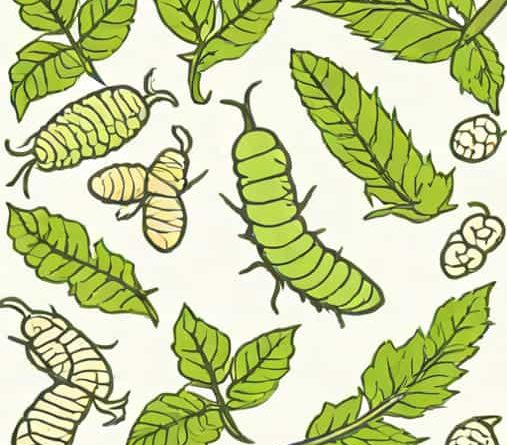
In Which Stage Of Silkworm Produce Silk
Silk has fascinated humans for thousands of years because of its softness, strength, and natural shine. Behind this luxurious fabric is a small insect with a remarkable life cycle the silkworm. Many people who study biology or textile production often ask a basic but important question in which stage of silkworm produce silk? To understand the answer clearly, it is necessary to look at the complete life cycle of the silkworm and how silk production fits into its natural development. This topic connects biology, agriculture, and industry in a simple yet fascinating way.
The Life Cycle of a Silkworm
The silkworm, scientifically known asBombyx mori, goes through a complete metamorphosis. This means its life cycle has four distinct stages. Each stage plays a specific role in the growth and transformation of the insect.
Understanding these stages helps explain when and why silk is produced. The stages are egg, larva, pupa, and adult moth.
The Four Main Stages
- Egg stage
- Larval stage (caterpillar)
- Pupal stage (cocoon)
- Adult moth stage
Silk production is closely linked to one of these stages, but all stages contribute indirectly to the process.
Egg Stage The Beginning of Life
The life cycle of a silkworm begins with tiny eggs laid by the female moth. These eggs are very small and usually hatch within 10 to 14 days under suitable conditions.
During the egg stage, the silkworm does not produce silk. This stage is focused entirely on development inside the egg. Temperature and humidity play a key role in determining whether the eggs hatch successfully.
Larval Stage Growth and Feeding
The larval stage is the most active and important phase in the silkworm’s life. After hatching, the silkworm emerges as a small caterpillar. This stage is characterized by rapid growth and constant feeding.
Silkworm larvae feed almost exclusively on mulberry leaves. Their main task during this period is to eat and grow, storing energy for the next stage.
Why the Larval Stage Is Important
Although silk is not released during most of the larval stage, this phase is critical for silk production. The larva develops specialized silk glands during this time.
- The silkworm eats large amounts of food.
- Its body increases in size rapidly.
- Silk glands grow and become fully functional.
The larval stage lasts about 25 to 30 days and includes several growth phases called instars.
In Which Stage of Silkworm Produce Silk?
The silkworm produces silk during the late larval stage, specifically when it is ready to enter the pupal stage. This is the most important answer to the question of in which stage of silkworm produce silk.
When the larva has completed its growth and stops feeding, it begins to spin a cocoon around itself. This spinning process is when silk is actually produced and released.
The Cocoon-Spinning Process
At the end of the larval stage, the silkworm secretes a liquid protein substance from its silk glands. This liquid hardens when it comes into contact with air, forming a silk thread.
The silkworm moves its head in a figure-eight pattern, wrapping the silk thread around its body to form a cocoon.
- The cocoon is made of a single continuous silk filament.
- This filament can be several hundred meters long.
- The process takes about 2 to 3 days.
Pupal Stage Transformation Inside the Cocoon
After the cocoon is completed, the silkworm enters the pupal stage. Inside the cocoon, the larva transforms into a pupa. During this stage, the insect undergoes major internal changes.
No new silk is produced during the pupal stage. The silk already spun forms a protective shell around the pupa, keeping it safe from predators and environmental damage.
Why the Cocoon Is Important
The cocoon serves as both protection and insulation. From a biological perspective, it ensures the safe transformation of the pupa into an adult moth.
From a human perspective, the cocoon is the source of raw silk used in textile production.
Adult Moth Stage Completion of the Cycle
The final stage of the silkworm life cycle is the adult moth. After about two weeks inside the cocoon, the adult moth emerges.
In natural conditions, the moth breaks the cocoon by releasing a fluid that dissolves part of the silk. However, in silk production, cocoons are usually harvested before the moth emerges to keep the silk filament intact.
Silk Production and Human Intervention
In sericulture, cocoons are carefully collected and processed. The pupae inside are usually not allowed to develop into moths, as this would break the silk thread.
This controlled process allows humans to obtain long, unbroken silk fibers.
Structure and Composition of Silk
The silk produced by silkworms is made mainly of two proteins fibroin and sericin. Fibroin forms the core fiber, while sericin acts as a natural glue holding the fibers together.
This unique structure gives silk its strength, flexibility, and smooth texture.
Why Silkworm Silk Is So Valuable
- It is lightweight but strong.
- It has natural shine and softness.
- It is biodegradable and eco-friendly.
These qualities explain why silk has remained valuable for centuries.
Importance of Understanding Silk Production Stages
Knowing in which stage of silkworm produce silk is important for students, farmers, and textile professionals. It helps in managing silkworm rearing effectively and improving silk yield.
Timing is crucial in sericulture. Harvesting cocoons at the right moment ensures high-quality silk.
Educational and Agricultural Significance
Silkworm life cycle studies are commonly included in biology education because they clearly demonstrate metamorphosis and animal behavior.
For farmers, understanding the larval and cocoon stages helps improve productivity and reduce losses.
Common Misconceptions About Silk Production
Some people believe that silkworms produce silk throughout their life. This is not true. Silk production is limited to a specific phase at the end of the larval stage.
Another misconception is that adult moths produce silk, which is also incorrect.
To clearly answer the question in which stage of silkworm produce silk, silk is produced at the end of the larval stage when the silkworm spins its cocoon. This short but critical phase is the foundation of natural silk production.
By understanding the silkworm life cycle, it becomes clear how nature has designed a simple insect to create one of the world’s most valued natural fibers. The process highlights the close connection between biology and human industry, making silk production both a scientific and cultural achievement.