Is Alvin A Chipmunk
Alvin has become a household name thanks to the popular animated series and movies featuring Alvin and the Chipmunks. Millions of fans, both young and old, are curious about the nature of Alvin and his companions, often asking, Is Alvin a chipmunk? While the question might seem simple, understanding Alvin’s character involves exploring the origins of the franchise, the characteristics of the fictional world, and the biological basis of what makes a chipmunk. Delving into these aspects can help clarify why Alvin is widely recognized as a chipmunk, while also highlighting the unique personality traits that make him a beloved animated character.
Origins of Alvin and the Chipmunks
The character Alvin first appeared in 1958 when Ross Bagdasarian Sr. created the musical group known as The Chipmunks. The original idea was to use sped-up recordings of Bagdasarian’s voice to create high-pitched singing voices for the three characters Alvin, Simon, and Theodore. Alvin was designed as the mischievous, adventurous, and charismatic leader of the group. The franchise quickly expanded from music to animated television shows, feature films, and merchandise. In all these adaptations, Alvin was consistently portrayed as a chipmunk, retaining traits inspired by the small, energetic rodents found in nature.
Characteristics of Alvin as a Chipmunk
Alvin exhibits many traits commonly associated with chipmunks, albeit in an anthropomorphized way. Some of these characteristics include
- Small size and agilityAlvin is depicted as a tiny, energetic creature capable of rapid movements, similar to real chipmunks.
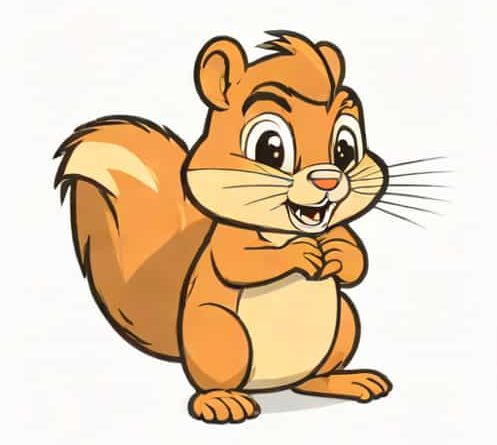
- Distinctive facial featuresHis large eyes, rounded cheeks, and small nose reflect classic chipmunk anatomy.
- Expressive behaviorsAlvin demonstrates curiosity, playfulness, and occasional mischief, which align with how chipmunks behave in the wild.
- Food interestsWhile Alvin often enjoys human snacks in the animated series, chipmunks are naturally foragers, storing food in their cheek pouches, which is referenced humorously in some episodes.
Biological Basis of Chipmunks
Chipmunks are small rodents belonging to the Sciuridae family, commonly found in North America and parts of Asia. They are known for their characteristic stripes, cheek pouches for storing food, and burrowing habits. While Alvin is anthropomorphized, meaning he is given human traits such as talking, singing, and wearing clothes, his design is rooted in the visual and behavioral features of real chipmunks. His small stature, energetic personality, and certain habits like nibbling on food items are nods to the natural traits of chipmunks.
Alvin’s Personality and Chipmunk Traits
While biologically a chipmunk in design, Alvin’s personality is highly exaggerated for entertainment purposes. He is adventurous, mischievous, and often impulsive, which makes him the central figure of many storylines. His siblings, Simon and Theodore, complement him with logical thinking and gentle nature, respectively, creating a balanced trio. Alvin’s bold and energetic personality mirrors the natural quickness and alertness of real chipmunks but is amplified to appeal to viewers and fit the narrative of animated storytelling.
Popular Media Depictions
Alvin’s status as a chipmunk is reinforced across various media platforms. In the original animated series from the 1980s, he is portrayed consistently with Simon and Theodore as chipmunks who talk, sing, and interact with humans. In the more recent CGI films, Alvin retains his chipmunk identity while being placed in modern scenarios, attending school, participating in music competitions, and navigating everyday challenges. Despite anthropomorphism, his chipmunk traits such as quick movements, tiny size, and distinctive facial features remain constant across adaptations.
Merchandise and Cultural Impact
Alvin’s identity as a chipmunk is also reinforced through extensive merchandise, including toys, clothing, and collectibles. Many products emphasize his small stature, chipmunk-like appearance, and energetic personality. The term chipmunk is used consistently in branding and marketing materials, which strengthens the association in popular culture. For many fans, Alvin and the Chipmunks symbolize fun, adventure, and the unique appeal of these anthropomorphized rodents, making his chipmunk identity an integral part of the franchise.
Addressing Common Questions
Many viewers may wonder about Alvin’s chipmunk status due to his human-like behaviors, such as singing, wearing clothes, and speaking. While these traits are fictional embellishments, they do not negate the fact that Alvin is a chipmunk. Anthropomorphized characters often display human characteristics for storytelling purposes, but their core design, size, and species identity remain grounded in their animal origin. In Alvin’s case, his name, appearance, and canonical references consistently identify him as a chipmunk, answering the question definitively.
Why Understanding His Identity Matters
Recognizing Alvin as a chipmunk helps viewers appreciate the creative choices made by the franchise’s creators. It highlights how the blending of animal traits with human characteristics can create memorable, relatable characters. Moreover, understanding his identity enriches the viewer’s experience, allowing them to see connections between real-world animal behavior and animated exaggeration. This perspective also helps in educational contexts, where children can learn about chipmunks while enjoying entertaining stories featuring Alvin and his siblings.
Educational and Entertainment Value
Alvin’s status as a chipmunk is used in both educational and entertainment contexts. Children can learn basic animal traits such as small size, agility, and foraging behavior while enjoying the narrative. The franchise also emphasizes social values like teamwork, problem-solving, and family dynamics. By combining chipmunk characteristics with engaging storytelling, Alvin and the Chipmunks teach lessons about responsibility, friendship, and creativity in a format that is accessible and enjoyable for all ages.
In summary, Alvin is indeed a chipmunk. While he displays anthropomorphic traits like talking, singing, and wearing clothes, his design, behavior, and canonical references confirm his chipmunk identity. The franchise has successfully blended realistic chipmunk traits with fictional elements to create a beloved character that has stood the test of time. Understanding Alvin’s identity not only answers the simple question, Is Alvin a chipmunk? but also provides insight into how creative storytelling can bring animal characters to life while maintaining their core species characteristics. For fans of all ages, Alvin remains a charming, energetic, and unmistakably chipmunk character whose adventures continue to entertain and inspire audiences worldwide.