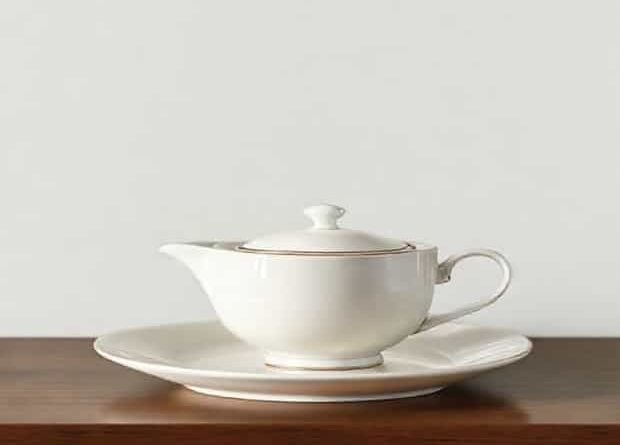
J & G Meakin Ironstone China
J & G Meakin ironstone china represents a fascinating chapter in the history of English ceramics, renowned for its durability, distinctive designs, and accessibility. Collectors and enthusiasts of antique tableware often seek out pieces from this brand, which became a household name for producing practical yet aesthetically pleasing china. Understanding the origins, styles, and value of J & G Meakin ironstone china provides insight into both the company’s legacy and the broader trends in industrial-era pottery.
History of J & G Meakin
The J & G Meakin pottery company was founded in 1851 in Hanley, Staffordshire, England, an area famously known as The Potteries” due to its dense concentration of ceramic manufacturers. Initially, the company produced basic earthenware items, but it quickly gained recognition for its high-quality ironstone china. Ironstone, a type of vitreous stoneware, became popular in the 19th century because of its durability, resistance to chipping, and suitability for mass production, making it ideal for both domestic use and export markets.
Founders and Early Development
James and George Meakin, the company founders, emphasized combining functionality with appealing designs. By the late 19th century, J & G Meakin had expanded its production facilities and diversified its product lines, offering a wide range of patterns and motifs. The company exported extensively to North America and the British colonies, helping cement its reputation as a reliable supplier of practical and attractive tableware.
Characteristics of Meakin Ironstone China
Ironstone china from J & G Meakin is easily identifiable by its robust, heavy construction and glossy finish. The material itself is denser and harder than standard earthenware, providing resistance to everyday wear and breakage. Many collectors appreciate Meakin ironstone for its ability to endure frequent use without compromising its appearance, making it a popular choice for both household and commercial settings.
Design and Patterns
J & G Meakin produced a variety of patterns over the decades, ranging from simple floral motifs to intricate transferware designs. Some of the most sought-after patterns include “Blue Calico,” “Olde English Countryside,” and “Sunshine” series. Transfer printing, a technique commonly used by the company, allowed for detailed designs to be replicated consistently across many pieces, which was a significant advantage in mass production.
- Floral PatternsElegant and timeless, often featuring roses, daisies, and wildflowers.
- TransferwareDetailed scenes of landscapes, pastoral life, or historical motifs.
- Geometric DesignsSimplified patterns for a modern, practical look in later years.
- Colored GlazesBold colors and hand-painted accents became more popular in the 20th century.
Collecting J & G Meakin Ironstone
Collectors value J & G Meakin ironstone china for its historical significance, aesthetic appeal, and durability. Authentic pieces can be identified by markings on the underside, often including the company name, location, and sometimes a pattern number or series. These markings help date the pieces and verify authenticity. Collectors typically seek complete sets, teapots, jugs, and serving pieces, as these items are rare and enhance the overall value.
Identifying Genuine Pieces
Several characteristics can assist in identifying genuine J & G Meakin ironstone
- BackstampsLook for J & G Meakin markings, sometimes accompanied by the word “England.”
- WeightIronstone is heavier than ordinary porcelain or earthenware.
- Glaze QualitySmooth, glossy surfaces are typical of authentic pieces.
- Pattern ConsistencyTransferware designs should be sharp and well-defined.
Popularity and Value
J & G Meakin ironstone china remains highly collectible today, particularly pieces from the late 19th and early 20th centuries. The value of a piece depends on factors such as age, condition, rarity, and pattern popularity. For instance, a well-preserved teapot in a classic transferware pattern can command higher prices than everyday dinner plates. Additionally, the rise of vintage and retro home décor trends has boosted the desirability of Meakin ironstone, with collectors seeking items both for display and functional use.
Market Trends
The market for J & G Meakin ironstone has evolved over time. Early pieces are more valuable due to their rarity and historical significance, while later mass-produced items are often more affordable. Online auction platforms, antique shops, and specialized ceramic fairs are common venues for finding Meakin ironstone, and collectors often network to locate rare patterns and complete sets.
Care and Preservation
Proper care is essential to maintain the beauty and integrity of J & G Meakin ironstone china. Although the material is durable, exposure to extreme temperatures, abrasive cleaning agents, or rough handling can cause damage. Experts recommend hand washing with mild detergent, avoiding sudden temperature changes, and storing pieces in a stable environment to prevent chipping or crazing of the glaze.
Displaying Ironstone China
Many enthusiasts choose to display Meakin ironstone in china cabinets or on open shelving to showcase the intricate designs and vibrant colors. Using plate stands or protective padding can prevent accidental damage, while careful arrangement highlights the variety of patterns and enhances the visual appeal of a collection. Displaying items thoughtfully not only preserves their condition but also celebrates the craftsmanship of J & G Meakin.
Legacy of J & G Meakin
J & G Meakin’s influence extends beyond the pieces themselves. The company played a significant role in making durable, attractive tableware accessible to middle-class households, reflecting broader industrial and social changes of the 19th and early 20th centuries. Its innovative production techniques and stylish designs contributed to the popularity of ironstone china worldwide. Today, collectors and historians continue to appreciate the brand for its contribution to ceramic art and practical household items.
Influence on Modern Ceramics
The legacy of J & G Meakin is evident in contemporary ceramic design, where the balance of functionality, durability, and aesthetic appeal remains a key goal. Designers and manufacturers continue to draw inspiration from traditional ironstone patterns, creating modern reinterpretations that honor the craftsmanship and visual charm of classic Meakin pieces.
J & G Meakin ironstone china stands as a testament to the rich history of English ceramics, combining practicality, durability, and artistry. From its origins in Staffordshire to its global influence, Meakin ironstone has captured the interest of collectors, historians, and everyday users alike. Understanding its history, identifying genuine pieces, and appreciating the variety of designs enhances both collecting and everyday enjoyment. Whether treasured as antiques or used for functional purposes, J & G Meakin ironstone continues to embody the enduring appeal of classic English tableware.