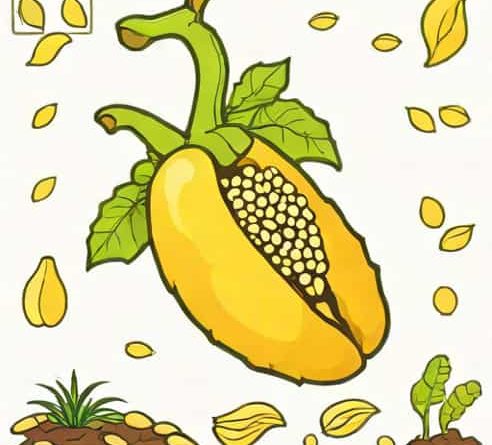
Jackfruit Seed Germination Time
Growing jackfruit trees from seeds can be a fascinating and rewarding process, especially for those who enjoy tropical fruits and sustainable gardening. One of the most important aspects of this process is understanding the jackfruit seed germination time. This time period can vary depending on several factors such as temperature, soil conditions, and moisture levels. By learning how long it takes for jackfruit seeds to sprout and what influences their growth, gardeners can improve their chances of successfully growing a healthy jackfruit tree.
Understanding Jackfruit Seeds
Jackfruit seeds come from the jackfruit tree, scientifically known asArtocarpus heterophyllus. Each fruit contains many large, oval seeds that can be planted to grow new trees. These seeds are usually 2 to 4 cm long and covered by a thin white layer. Fresh jackfruit seeds are viable and capable of germinating quickly, but if they are left to dry for too long, their ability to sprout decreases significantly. This makes it crucial to plant them as soon as possible after removing them from the fruit.
Seed Structure and Viability
The structure of a jackfruit seed consists of a hard outer covering that protects the inner embryo. This protective layer must remain intact until planting, but soaking or slightly scarifying the surface can help speed up the germination process. Typically, fresh seeds have a germination rate of 70% to 90%, while dried seeds may drop below 50% viability. Therefore, gardeners should always use freshly harvested seeds for best results.
Jackfruit Seed Germination Time
The germination time for jackfruit seeds generally ranges between 3 to 8 weeks. However, under optimal conditions, some seeds can sprout as early as 10 to 14 days. Factors such as temperature, soil moisture, and seed freshness all play an essential role in determining the exact germination time. Since jackfruit is a tropical species, it prefers warm and humid environments for successful growth.
Typical Germination Timeline
- Week 1 2Seeds begin to absorb moisture and swell. The outer shell may start to soften.
- Week 2 4The root, or radicle, starts to emerge from the seed.
- Week 4 6The first shoots and leaves begin to appear above the soil surface.
- Week 6 8The seedling strengthens, forming a small stem and several leaves.
These stages can progress faster if the seeds are kept in warm conditions (around 27 32°C) with consistent moisture but not excessive water that can cause rotting.
Factors Affecting Germination Time
Several environmental and biological factors can either shorten or lengthen the germination period of jackfruit seeds. Understanding and controlling these factors helps ensure that seeds sprout efficiently and develop into healthy seedlings.
1. Temperature
Temperature is one of the most critical elements influencing germination. Jackfruit seeds germinate best in tropical or subtropical climates with temperatures between 25°C and 35°C. Cooler temperatures may slow down the metabolic activity of the seed, causing delays or failure to germinate. Using a greenhouse or seed tray with a heating pad can help maintain the right temperature in cooler regions.
2. Soil Quality
Jackfruit seeds need well-draining and nutrient-rich soil for healthy germination. A mixture of loamy soil, sand, and compost provides the ideal balance of drainage and fertility. Heavy clay or compact soil can restrict airflow and trap moisture, leading to fungal growth or seed rot.
3. Moisture and Humidity
Moisture is vital for activating the enzymes inside the seed that trigger germination. The soil should be kept moist but not waterlogged. Too much water can suffocate the seed, while too little can halt germination. In dry areas, covering the seed tray with plastic wrap or using a humidity dome can help retain the right level of moisture.
4. Seed Preparation
Before planting, jackfruit seeds can be soaked in water for 12 to 24 hours to soften their outer layer and promote faster sprouting. Some gardeners also slightly scratch the surface of the seed coat to help water penetrate more easily. However, over-scratching can damage the embryo inside, so it must be done carefully.
How to Germinate Jackfruit Seeds Successfully
To achieve the best germination results, follow a few essential steps that replicate natural conditions. This helps ensure your seeds grow into strong seedlings that can later be transplanted outdoors.
Step-by-Step Germination Process
- Choose fresh jackfruit seeds from ripe fruit. Clean them thoroughly to remove any pulp residue.
- Soak the seeds in clean water for 12 24 hours to activate the germination process.
- Prepare a pot or seed tray with a mix of loamy soil and compost.
- Plant each seed about 1 inch deep with the pointed end facing downward.
- Water gently to keep the soil moist but not soggy.
- Place the container in a warm, shaded area with indirect sunlight.
- Check daily for signs of sprouting and maintain consistent humidity.
Post-Germination Care
Once the seedlings appear, they should be gradually exposed to more sunlight. After four to six weeks, when the plants reach a height of about 6 to 8 inches, they can be transplanted into larger pots or directly into the ground. Regular watering, weeding, and occasional fertilization will help the young jackfruit tree establish strong roots and healthy foliage.
Common Problems During Germination
Despite best efforts, several problems may arise during jackfruit seed germination. Being aware of these challenges helps prevent seed loss and ensures a higher success rate.
1. Seed Rot
Overwatering or poor drainage often leads to fungal infections that cause seed rot. To prevent this, use sterilized soil and avoid watering too frequently. Ensuring proper air circulation also helps reduce fungal growth.
2. Delayed Sprouting
Cold temperatures or old seeds can delay germination. If seeds have not sprouted after six weeks, check the soil temperature or try re-soaking new seeds for replanting.
3. Pest Infestation
Ants, beetles, and other small insects may damage seeds or seedlings. Using organic pest repellents or covering the pots with fine mesh can help protect them during the early stages.
Expected Growth After Germination
After germination, jackfruit seedlings grow rapidly under the right conditions. Within a few months, the small plant can reach over a foot in height. However, jackfruit trees typically take between 3 to 8 years to bear fruit, depending on the variety and growing environment. Regular care, pruning, and protection from extreme weather are vital during the early years of growth.
Understanding jackfruit seed germination time and the conditions that influence it is essential for anyone interested in growing this tropical tree. Generally, seeds take about 3 to 8 weeks to sprout, but with proper warmth, moisture, and soil quality, the process can occur even sooner. Growing jackfruit from seeds requires patience and attention, yet the reward of nurturing a tree that produces large, delicious fruits makes the effort worthwhile. Whether you’re an experienced gardener or a beginner, mastering the germination process will set the foundation for a thriving jackfruit tree.