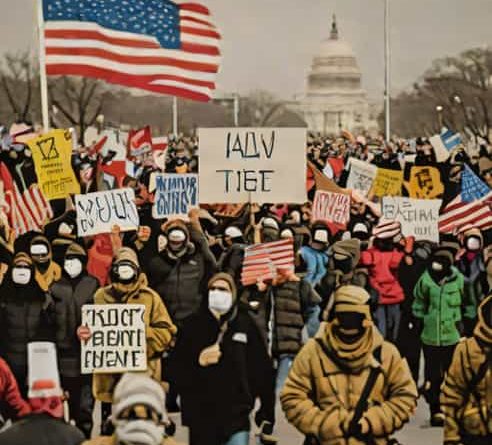
January 6th Insurrection Photos
The events of January 6th, 2021, when a violent mob stormed the United States Capitol, marked a significant and deeply unsettling moment in American history. While news reports and official statements documented the chaos, photographs captured during the insurrection provide a stark, unfiltered view of the day’s unprecedented violence and disruption. These images, now widely circulated in media coverage and legal investigations, offer a visual record that conveys the scale, intensity, and personal dimension of the attack in ways that words alone often cannot. Exploring the significance of January 6th insurrection photos helps to understand the historical, legal, and societal implications of that day.
The Power of Photography in Historical Documentation
Photographs serve as essential tools for historical documentation, offering immediate visual evidence that can corroborate written accounts and eyewitness testimonies. The photos from the January 6th insurrection provide multiple perspectives on the events, capturing both the large-scale chaos and intimate moments of confrontation. By freezing moments in time, these images allow viewers to comprehend the intensity of the event and the actions of individuals involved.
Capturing Chaos and Violence
Many January 6th insurrection photos depict the sheer chaos inside and outside the Capitol building. Crowds of rioters climbing walls, breaking windows, and confronting law enforcement illustrate the unprecedented nature of the attack. The images of overturned furniture, damaged property, and makeshift barricades convey the level of destruction and the physical risks faced by those present. Such visual evidence emphasizes the immediacy of danger and the disorder that unfolded during the assault.
Personal and Human Dimensions
In addition to showing the broader scene, photos capture the human dimension of the insurrection. Faces of rioters some masked, some not highlight a range of emotions including anger, defiance, and, in some cases, fear. Images of police officers attempting to maintain control, often under direct threat, humanize the law enforcement response. These photographs provide a personal connection that draws viewers into the realities experienced by participants on both sides of the conflict.
Media Coverage and Public Awareness
Photographs from January 6th played a crucial role in media coverage, helping the public understand the scale and seriousness of the attack. Media outlets relied on both professional photojournalists and citizen-submitted images to present a comprehensive view of the events. The immediacy of photos shared via social media amplified public awareness and prompted nationwide discussions on political violence, security failures, and accountability.
Impact on Public Perception
Images have a unique ability to influence public perception. The stark visuals of a mob inside the Capitol, carrying symbols and flags, shocked viewers and highlighted the threat to democratic institutions. Photographs depicting moments of violence or defiance served as compelling evidence in shaping public understanding of the severity and lawlessness of the event.
Citizen Journalism and Social Media
The widespread availability of smartphones allowed attendees and bystanders to document the insurrection in real-time. Social media platforms became a repository for thousands of images, many of which were used in news reports, documentaries, and investigations. This democratization of photography ensured that multiple perspectives were captured, adding depth and authenticity to the historical record.
Legal and Investigative Significance
Beyond media impact, January 6th insurrection photos have played a pivotal role in legal and investigative processes. Law enforcement and federal agencies have relied on visual evidence to identify participants, understand the sequence of events, and support criminal prosecutions.
Evidence in Prosecutions
Many defendants have been identified and charged based on photographic evidence showing their presence inside the Capitol or involvement in violent acts. Images can confirm identities, document participation in assaults on officers, and provide timestamps for legal proceedings. These photos serve as irrefutable visual evidence in courts, reinforcing testimonies and forensic findings.
Reconstructing Events
Investigators have used photographs to reconstruct the sequence of the insurrection. By analyzing angles, positions of individuals, and contextual clues, law enforcement can piece together how rioters breached security, moved through the building, and interacted with law enforcement. This reconstruction aids both in accountability and in improving future security measures.
Ethical Considerations in Sharing Images
While insurrection photos are critical for documentation and awareness, they also raise ethical questions regarding privacy, sensationalism, and the potential for incitement. News organizations and social media platforms face the challenge of balancing the public’s right to information with responsible reporting.
Privacy and Identification
Publishing images of individuals engaged in criminal acts involves sensitive ethical considerations. While transparency and accountability are essential, care must be taken to avoid misidentification or undue harassment of individuals who may have been misrepresented. Responsible use of photographs includes corroborating identities and providing accurate context.
Avoiding Glorification
There is a risk that widespread dissemination of insurrection photos could inadvertently glorify violence or embolden extremist behavior. Ethical reporting emphasizes the seriousness of the event, focuses on accountability, and avoids sensationalist framing that might romanticize illegal actions.
Historical and Cultural Legacy
Photographs from January 6th serve as enduring historical records. They document a moment when democratic institutions were physically challenged and provide future generations with visual testimony of political extremism in the United States. Museums, educational institutions, and historical archives are likely to preserve these images as part of the broader narrative of early 21st-century American history.
Educational Importance
Using photos as teaching tools allows students and the public to engage directly with historical events. By analyzing the images, individuals can explore themes such as political polarization, the impact of misinformation, and the role of civic responsibility. These photographs are powerful reminders of the consequences of political unrest and the importance of safeguarding democratic principles.
Global Attention
The insurrection and its photographic documentation drew global attention, influencing international perceptions of the United States’ political stability and democratic resilience. Images circulated worldwide underscored the seriousness of the attack and sparked conversations on governance, extremism, and the challenges of modern democracies.
January 6th insurrection photos are more than mere images; they are critical historical documents that capture the unprecedented assault on the United States Capitol. These photographs illustrate the chaos, violence, and human dimensions of the event, offering both the public and investigators vital insights into what occurred. They serve as powerful tools for legal accountability, historical documentation, and public education, ensuring that the lessons of that day remain visible and impactful. By analyzing and reflecting on these images, society can better understand the implications of political extremism and reinforce the values of democracy, transparency, and civic responsibility.