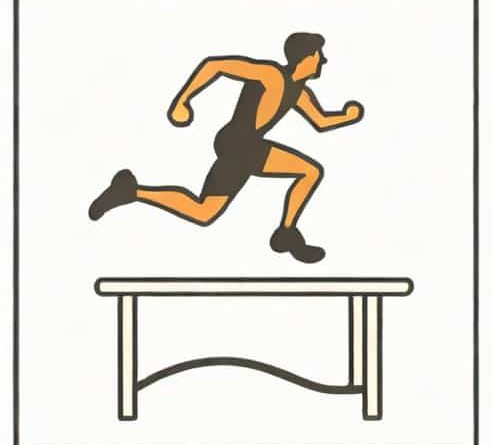
Jelaskan Yang Dimaksud Hurdling
Hurdling is a popular track and field event that combines speed, agility, and technique to create an exciting and challenging athletic competition. Unlike standard sprinting, hurdling requires athletes not only to run fast but also to navigate a series of obstacles called hurdles. This sport tests both physical and mental coordination, as competitors must maintain momentum while efficiently clearing each hurdle. Hurdling is widely practiced in schools, colleges, and professional athletics and has become a key component of track and field competitions worldwide. Understanding what hurdling entails involves examining the rules, techniques, training methods, and the benefits of participating in this dynamic sport.
Definition of Hurdling
Basic Explanation
Hurdling is a track and field discipline where athletes sprint along a straight or curved track while jumping over a series of evenly spaced obstacles called hurdles. The goal is to complete the distance in the shortest time possible without knocking over the hurdles. Hurdles are designed to challenge the athlete’s speed, flexibility, and timing, making hurdling a test of both physical prowess and technical skill. The sport requires a combination of sprinting ability and precise body control to clear each hurdle efficiently.
Types of Hurdling Events
There are several hurdling events in athletics, usually distinguished by distance and hurdle height. The most common events include
- 100 meters hurdles for women
- 110 meters hurdles for men
- 400 meters hurdles for both men and women
Each event has its specific rules regarding hurdle height, spacing, and number of hurdles. Shorter sprint hurdles, like the 100 or 110 meters, focus on speed and quick hurdle clearance, while the 400 meters hurdles emphasize endurance, rhythm, and stamina in addition to technique.
History of Hurdling
Origins
Hurdling has its roots in 19th-century England, where horse racing inspired early forms of running events with obstacles. The first official hurdling events were introduced in track and field competitions in the mid-1800s. Over time, hurdling evolved into a standardized sport with specific rules, distances, and techniques. Today, hurdling is a major component of the Olympic Games and international track and field championships, showcasing the speed and skill of top athletes worldwide.
Hurdling in Modern Athletics
In contemporary track and field, hurdling has become highly technical. Athletes train extensively to improve sprinting speed, hurdle clearance, and stride patterns. Advanced coaching methods, biomechanical analysis, and modern training equipment contribute to optimizing hurdling performance. The sport continues to grow in popularity at both professional and amateur levels, with numerous competitions held globally each year.
Techniques in Hurdling
Approach and Sprinting
Effective hurdling starts with a strong sprinting approach. Athletes must accelerate quickly while maintaining a controlled stride pattern to reach the first hurdle at the correct takeoff point. Sprinting technique is crucial, as maintaining maximum speed while preparing to jump is essential for competitive performance. Proper posture, arm movement, and leg drive contribute to an efficient approach.
Hurdle Clearance
Clearing the hurdle requires precise timing and body mechanics. Key techniques include
- Leading leg Extending one leg forward to clear the hurdle while keeping the trail leg bent for a smooth landing.
- Trail leg Quickly snapping the back leg through to maintain speed and balance.
- Upper body position Leaning slightly forward while keeping arms coordinated for stability.
Efficient hurdle clearance minimizes air time, allowing the athlete to maintain momentum and reduce energy loss during the race.
Stride Pattern and Rhythm
Stride pattern refers to the number of steps an athlete takes between hurdles. Maintaining a consistent rhythm is essential for optimal performance. Most sprinters use three steps between hurdles in shorter races, while longer events may require adjustments to stride patterns based on fatigue and endurance levels. Coaches emphasize rhythm drills to ensure that athletes can smoothly transition between sprinting and hurdle clearance throughout the race.
Training for Hurdling
Strength and Conditioning
Hurdling requires both explosive power and muscular endurance. Athletes engage in strength training to build leg muscles, core stability, and overall body strength. Plyometric exercises, such as jump squats and bounding drills, help improve vertical leap and agility, which are crucial for effective hurdle clearance.
Speed and Agility Drills
Speed and agility are central to hurdling success. Sprint drills, ladder exercises, and cone drills enhance quickness and coordination. Athletes practice starts, acceleration, and deceleration to optimize speed between hurdles. Agility training ensures that they can react quickly and maintain balance during rapid movements over obstacles.
Technical Hurdle Practice
Practicing hurdle technique is a critical component of training. Athletes perform repeated hurdle drills to perfect leading and trail leg mechanics, body posture, and timing. Video analysis is often used to identify errors and refine technique. Regular practice helps athletes develop muscle memory, ensuring that movements become instinctive during competition.
Benefits of Hurdling
Physical Benefits
Hurdling provides a full-body workout, improving cardiovascular fitness, muscular strength, and flexibility. Sprinting between hurdles enhances explosive power, while repeated jumps strengthen leg muscles and improve coordination. Core engagement during hurdle clearance promotes stability and overall athletic performance.
Mental and Cognitive Benefits
Hurdling also develops mental focus, concentration, and discipline. Athletes must make split-second decisions while maintaining form and speed. This combination of physical and mental demands enhances overall cognitive performance and fosters resilience under pressure.
Competitive and Social Benefits
Participating in hurdling competitions encourages teamwork, sportsmanship, and goal-setting. Athletes gain confidence through personal improvement and experience the thrill of competition. Hurdling also connects participants to a community of track and field enthusiasts, promoting social interaction and camaraderie.
Common Mistakes in Hurdling
Poor Lead Leg Technique
Improper use of the lead leg can result in hitting the hurdle or losing speed. Athletes must extend the leg fully and maintain proper knee height for smooth clearance.
Overreaching or Understepping
Incorrect stride patterns between hurdles can disrupt rhythm and reduce efficiency. Maintaining consistent steps and proper distance between hurdles is critical.
Lack of Upper Body Control
Leaning too far back or moving arms incorrectly can cause imbalance and slow momentum. Proper posture and coordinated arm movement help maintain speed and stability.
Hurdling is a dynamic and challenging track and field event that requires a combination of speed, technique, and mental focus. From its historical origins to modern competitive practice, hurdling has evolved into a sport that tests both physical and cognitive abilities. Understanding the mechanics of hurdle clearance, stride patterns, and training methods is essential for success. Beyond competition, hurdling offers numerous benefits, including improved fitness, agility, and confidence. Whether for professional athletes or beginners, learning hurdling provides an exciting opportunity to develop athletic skills, overcome challenges, and enjoy the thrill of this demanding sport.