Jonas Asked What Made The Giver Suffer
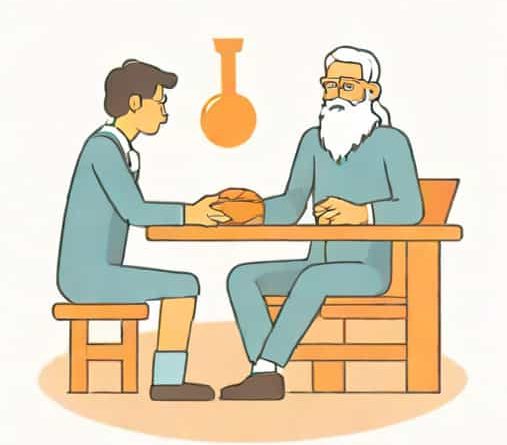
In Lois Lowry’s novelThe Giver, one of the most emotionally important moments occurs when Jonas asks what made the Giver suffer. This question is simple on the surface, but it opens the door to a deep exploration of pain, memory, and responsibility. Jonas’s curiosity reflects his growing awareness that the peaceful world he lives in is built on hidden sacrifices. Through this moment, readers begin to understand that suffering in the novel is not accidental but deeply connected to the burden of memory and truth.
The Context Behind Jonas’s Question
Jonas asks what made the Giver suffer after he has already received several memories. These memories include both joy and pain, such as sledding down a snowy hill and experiencing extreme cold. As Jonas becomes more aware of emotions and sensations that his community has erased, he begins to notice the physical and emotional toll they take on the Giver.
The question is significant because it shows Jonas shifting from passive learning to active empathy. He is no longer focused only on his own confusion or discomfort. Instead, he begins to recognize the Giver as a person who has endured something overwhelming for the sake of others.
Jonas’s Growing Emotional Awareness
Before becoming the Receiver of Memory, Jonas lives in a controlled society where pain, deep emotion, and choice are eliminated. When he starts receiving memories, his emotional capacity expands. This growth allows him to ask meaningful questions, including why someone would have to suffer at all.
Jonas’s question reflects his moral development. He begins to see suffering not as a random event, but as something caused by deliberate decisions made by the community.
What Actually Made the Giver Suffer
The Giver explains that his suffering comes from holding all the memories of the past. These memories include war, hunger, loneliness, fear, and loss. While the community believes it has eliminated pain, it has merely transferred it to one person.
The Giver suffers because he remembers everything that the society has chosen to forget. This includes the beauty of love and family, but also the horror of violence and death. Carrying these memories alone isolates him and creates a deep emotional burden.
The Weight of Collective Memory
One of the main reasons the Giver suffers is isolation. He cannot share his memories with others, except for the Receiver. This makes his role emotionally exhausting. While the community enjoys safety and sameness, the Giver bears the cost.
His suffering is not just physical pain from memories like sunburn or cold. It is emotional suffering caused by knowledge. Knowing what humanity has lost makes his role even more painful.
The Giver’s Daughter and Personal Loss
One of the most heartbreaking revelations in the novel is that the Giver once had a daughter who was selected to become the new Receiver of Memory. She failed during the training and asked to be released. This personal loss is one of the greatest sources of the Giver’s suffering.
This memory explains why the Giver is reluctant to let Jonas experience too much pain too quickly. His suffering is not abstract; it is deeply personal. Losing his daughter connects the role of Receiver to real human consequences.
Emotional Pain Beyond Physical Suffering
Jonas learns that suffering is not limited to physical pain. Emotional loss, regret, and guilt are equally powerful. The Giver suffers because he remembers love and therefore understands loss.
Without memory, the community avoids grief, but it also avoids meaningful relationships. The Giver’s suffering highlights the cost of emotional depth.
The Role of Suffering in Maintaining the Community
The community depends on the Giver’s suffering to function. By assigning one person to hold all memories, society avoids conflict, disagreement, and emotional discomfort. This arrangement allows leaders to consult the Giver for wisdom while keeping citizens unaware.
Jonas begins to understand that his society’s stability is not natural. It is manufactured through control and sacrifice. The Giver’s suffering is the price paid for sameness.
Ethical Questions Raised by Jonas’s Realization
When Jonas asks what made the Giver suffer, he is also questioning the morality of the system. Is it right for one person to endure pain so that others can live comfortably? Is ignorance truly better than awareness?
These questions are central to the novel’s message. The Giver’s suffering forces readers to consider whether a painless life is worth the loss of freedom and truth.
Jonas’s Response to the Giver’s Suffering
Jonas does not accept the Giver’s suffering as necessary. Instead, he feels anger and sadness toward the community that allows it. This reaction marks a turning point in his character development.
By empathizing with the Giver, Jonas begins to reject the values of his society. He realizes that eliminating suffering has also eliminated compassion, choice, and love.
Shared Burden Between Jonas and the Giver
As Jonas continues his training, he begins to share the burden of memory. This shared experience creates a deep bond between him and the Giver. For the first time, the Giver is not alone.
However, Jonas’s pain also reinforces the injustice of the system. If suffering is so unbearable, why should anyone be forced to carry it alone?
The Symbolic Meaning of the Giver’s Suffering
The Giver’s suffering symbolizes the danger of suppressing history and emotion. When a society tries to eliminate pain, it often removes essential parts of humanity. Memory, even painful memory, is necessary for growth and understanding.
Jonas’s question draws attention to this theme. It shows that suffering has meaning and purpose, even if it is difficult.
Suffering as a Source of Wisdom
The Giver’s role exists because memory provides wisdom. Leaders rely on the Giver’s suffering to make informed decisions. This suggests that pain and experience are essential to leadership and morality.
Without suffering, the community lacks true understanding. Jonas’s realization challenges the idea that comfort should come at any cost.
Why This Moment Matters in the Story
When Jonas asks what made the Giver suffer, it signals a major shift in the narrative. The story moves from discovery to resistance. Jonas no longer wants to simply learn; he wants change.
This moment also prepares readers for the novel’s climax. Jonas’s decision to leave the community is rooted in his understanding of the Giver’s suffering and the injustice behind it.
Jonas asked what made the Giver suffer because he was beginning to see the truth behind his seemingly perfect society. The answer reveals that the Giver suffers from holding all the memories of humanity, including pain, loss, and love. His suffering is the foundation of the community’s comfort.
This moment is crucial because it transforms Jonas’s perspective and challenges readers to think about the value of memory, emotion, and choice. InThe Giver, suffering is not meaningless; it is a reminder of what it truly means to be human.