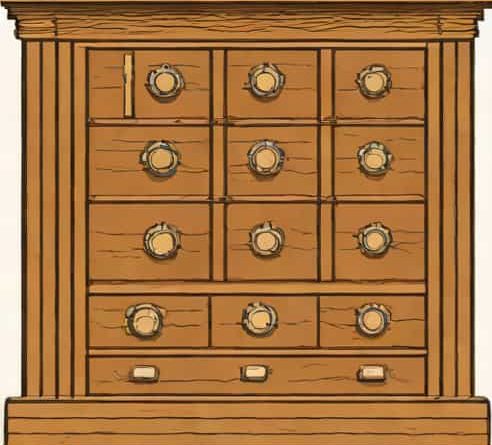
Jp Coats Antique Spool Cabinet
The J.P. Coats antique spool cabinet is a timeless piece of furniture that reflects both the artistry and practicality of the late 19th and early 20th centuries. Once a staple in sewing shops and general stores, these cabinets were used to display and store spools of thread made by the famous J. & P. Coats Company. Today, collectors and vintage enthusiasts treasure these cabinets not only for their craftsmanship but also for the history they represent. Each J.P. Coats spool cabinet tells a story of American industry, advertising, and the golden age of sewing.
The History of the J.P. Coats Brand
The J. & P. Coats Company originated in Paisley, Scotland, in the early 1800s, founded by brothers James and Patrick Coats. They were pioneers in manufacturing cotton thread suitable for sewing machines, which were just becoming popular at the time. By the mid-19th century, their business expanded globally, and they opened operations in the United States. The brand became synonymous with quality and consistency, becoming one of the leading thread manufacturers in the world.
As the company grew, so did the need to market and organize their products. This led to the creation of the famous J.P. Coats spool cabinets, which were distributed to retail stores that sold their thread. These cabinets served both a functional and promotional purpose – they displayed the thread neatly while prominently featuring the company’s logo and branding.
Design and Features of Antique Spool Cabinets
What makes a J.P. Coats antique spool cabinet so fascinating is the attention to detail in its design. These cabinets were usually made of fine hardwoods such as oak, walnut, or cherry, built to last and to showcase the company’s commitment to quality. Many featured beautifully engraved or stenciled lettering with the J. & P. Coats name on the drawers or glass panels. Some also included additional decorative elements such as ornate brass pulls or glass fronts displaying colorful thread spools.
Typical Characteristics
- MaterialsSolid wood construction, often oak or walnut.
- DrawersMultiple drawers labeled by thread type, color, or size.
- LetteringGold or black painted script bearing the J. & P. Coats logo.
- HardwareOriginal brass or iron drawer pulls and keyholes.
- DimensionsUsually small enough to sit on a countertop but large enough to hold dozens of spools.
Some of the rarest versions include glass-front drawers or sliding glass doors that allowed customers to see the colorful thread inside. Others had vertical drawers or revolving designs that made it easy to select and display products. Each variation was carefully crafted to attract attention in a busy shop environment.
The Purpose of a Spool Cabinet in the 19th Century
In the late 1800s, sewing was an essential household skill, and thread was one of the most purchased items in general stores. The J.P. Coats spool cabinet provided an efficient way for shopkeepers to store and organize thread spools. Each drawer was designed to fit specific thread sizes, making inventory management easier and preventing the spools from rolling around or becoming tangled.
These cabinets also doubled as advertisements. The polished wood and gold lettering drew customers’ eyes, reinforcing the Coats brand as one of quality and trust. Much like vintage Coca-Cola signs or early Pepsi crates, the J.P. Coats cabinet became a marketing tool as much as a piece of furniture.
Why Collectors Love J.P. Coats Antique Cabinets
Today, a J.P. Coats antique spool cabinet is a prized collectible among vintage furniture enthusiasts, sewing historians, and antique dealers. Their value lies not only in their age but in their craftsmanship and historical significance. Because each cabinet was made with care and intended to last for decades, many survive in excellent condition even after more than a century.
Reasons for Collecting
- CraftsmanshipThese cabinets are examples of superior 19th-century woodworking and design.
- Historical ValueThey represent an important era in both industrial and domestic history.
- Decorative AppealWith their rustic charm and intricate lettering, they make beautiful accent pieces in modern homes.
- RaritySome models are extremely rare, especially those with intact original labels and hardware.
- FunctionalityThey can still be used to store small items like jewelry, art supplies, or sewing accessories.
Collectors often search antique stores, estate sales, or online auctions for authentic J.P. Coats cabinets. Prices can vary significantly depending on the condition, materials, and design features. A well-preserved oak cabinet with clear lettering can fetch several hundred to even a few thousand dollars, especially if it still bears its original hardware and finish.
How to Identify an Authentic J.P. Coats Spool Cabinet
Because of their popularity, reproductions of spool cabinets have been made over the years. Identifying a genuine J.P. Coats antique spool cabinet requires close inspection. Here are a few details to look for
- Originalbrandingon the drawers, typically reading J. & P. Coats, sometimes accompanied by the word Best Six Cord or Spool Cotton.
- Joinery techniqueslike dovetail joints, which indicate true 19th-century craftsmanship.
- Wear and patinaconsistent with age – a natural darkening of the wood and slight fading of the paint.
- Materialsthat match the period, such as solid oak or walnut rather than plywood or modern composites.
- Drawer configuration– original models often have between six and twelve drawers.
Authentic cabinets will typically feel heavy and solid, with small imperfections that show their handmade nature. The lettering on the drawers might be slightly uneven, and the brass pulls may show signs of tarnish, which adds to their antique charm.
Caring for an Antique Spool Cabinet
Maintaining a J.P. Coats antique spool cabinet is important to preserve its value and appearance. These pieces are made from natural wood, which can dry out or crack over time if not properly cared for. Here are some simple steps to keep them in excellent condition
- Keep the cabinet away from direct sunlight and moisture.
- Dust regularly with a soft cloth to prevent buildup.
- Use furniture wax or oil occasionally to nourish the wood.
- Avoid harsh cleaners that can damage the finish or lettering.
- Handle drawers carefully to avoid loosening old joints.
For cabinets with glass fronts, gently clean the glass with a non-abrasive cleaner and a microfiber cloth. If any drawer pulls or hardware need repair, consult an antique restorer to ensure authentic materials and methods are used.
Decorating with a J.P. Coats Cabinet
In modern homes, a J.P. Coats antique spool cabinet can serve many purposes beyond its original use. It makes a perfect addition to vintage-inspired interiors or farmhouse-style decor. Many people use these cabinets as functional art pieces – displaying them in living rooms, sewing studios, or entryways.
They also serve practical functions. You can use the drawers to store small household items such as stationery, keys, craft supplies, or even kitchen utensils. The warm wood tones and vintage lettering add character and a touch of nostalgia to any space.
The J.P. Coats antique spool cabinet stands as a symbol of craftsmanship, utility, and design from a bygone era. What once served as a simple thread display in a general store has become a cherished collectible that connects us to the history of sewing, marketing, and fine woodworking. Whether admired for its beauty, historical value, or practical function, the J.P. Coats cabinet remains a testament to the ingenuity and artistry of the 19th century. Owning one is like holding a piece of history – a reminder of how even the most functional objects can become timeless works of art.