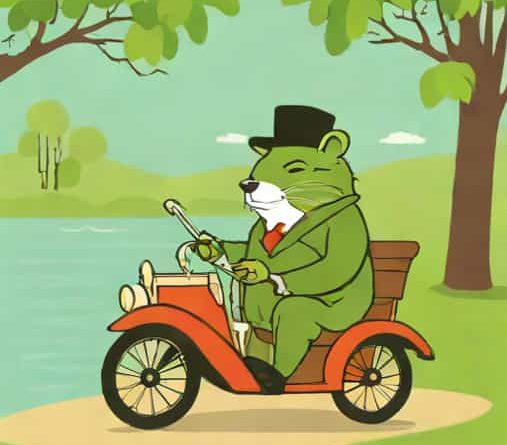
Kenneth Grahame The Wind In The Willows
Kenneth Grahame’sThe Wind in the Willowsis a timeless work of children’s literature that has captivated readers for over a century. Published in 1908, the novel offers a rich tapestry of characters, adventures, and pastoral settings that continue to charm both young and adult audiences. Grahame’s writing combines a deep appreciation for the natural world with a whimsical yet insightful exploration of friendship, loyalty, and the human-or animal-spirit. The novel is often celebrated not only for its imaginative storytelling but also for the subtle moral and social commentary woven into its narrative.
About Kenneth Grahame
Kenneth Grahame (1859-1932) was a British author and civil servant whose experiences in both the literary and bureaucratic worlds influenced his work. Grahame’s love for the English countryside and the tranquility of rural life shines through inThe Wind in the Willows. Before writing the novel, Grahame published several essays and short stories, often reflecting on nature, childhood, and the passage of time. His style combines lyrical prose with keen observation, creating a sense of both realism and fantasy that appeals to readers across generations.
The Plot ofThe Wind in the Willows
The story ofThe Wind in the Willowsrevolves around the lives and adventures of anthropomorphic animals living along the riverbank. The central characters include Mole, Ratty (a water vole), Mr. Toad, and Badger. Each character embodies distinct traits and moral qualities, making the narrative both entertaining and instructive.
Mole and Ratty
Mole, the humble and timid protagonist, begins the story by leaving his underground home in search of adventure. He meets Ratty, a charming and sociable water vole who enjoys boating and the river lifestyle. Through their friendship, readers explore themes of camaraderie, curiosity, and the joys of simple living. Ratty serves as a guide for Mole, introducing him to the pleasures and rhythms of life along the river.
Mr. Toad
Mr. Toad, a wealthy and impulsive character, is known for his obsession with motorcars and reckless behavior. His escapades often bring danger and chaos, providing humor and tension in the story. Toad’s journey, particularly his imprisonment and eventual redemption, illustrates themes of responsibility, humility, and personal growth. Through Toad, Grahame explores human foibles and the consequences of unchecked desires.
Badger
Badger, a wise and reclusive figure, acts as a mentor and moral compass for the group. He represents stability, knowledge, and authority, guiding the characters through crises and offering counsel. Badger’s presence reinforces the importance of prudence and community in overcoming challenges.
The Themes ofThe Wind in the Willows
Grahame’s novel is celebrated for its multi-layered themes that resonate with both children and adults. Key themes include
- FriendshipThe bonds between Mole, Ratty, Toad, and Badger highlight the value of loyalty, empathy, and support.
- Adventure and DiscoveryMole’s journey into the wider world reflects curiosity, personal growth, and the excitement of exploration.
- Nature and EnvironmentThe riverbank and countryside settings underscore a deep respect for nature and the beauty of rural life.
- Social CommentaryMr. Toad’s reckless behavior and eventual redemption offer subtle reflections on responsibility, privilege, and moral development.
- Home and BelongingDespite their adventures, the characters’ return to the riverbank emphasizes the comfort, security, and identity found in home and community.
Writing Style and Literary Significance
Grahame’s writing combines playful dialogue, rich descriptions, and philosophical undertones. His anthropomorphic characters are vividly drawn, yet they retain qualities that reflect human nature. The narrative alternates between whimsical episodes, like Toad’s obsession with motorcars, and quieter, contemplative passages that celebrate the tranquility of the English countryside.
Lyrical Prose and Imagery
The lyrical quality of Grahame’s prose allows readers to visualize the lush riverbanks, dense forests, and quaint dwellings of the characters. Descriptions of boating on the river, the changing seasons, and the natural environment create an immersive reading experience that has contributed to the novel’s enduring popularity.
Allegory and Moral Lessons
While the novel is primarily a story for children, it contains subtle allegorical elements. Mr. Toad’s impulsive behavior and eventual reckoning serve as a cautionary tale about self-indulgence and the importance of responsibility. Meanwhile, the camaraderie among the characters illustrates the enduring value of friendship, trust, and mutual support. These moral undertones enrich the narrative, offering lessons that resonate beyond childhood.
Adaptations and Cultural Impact
The Wind in the Willowshas inspired countless adaptations in theater, film, television, and animation. From stage plays to animated features, the novel’s characters and themes continue to captivate audiences worldwide. Grahame’s work has also influenced other writers, including those in the fantasy and children’s literature genres, who admire his combination of imaginative storytelling and deep moral reflection.
Popular Adaptations
- Animated films and series capturing the adventures of Toad, Rat, Mole, and Badger.
- Stage productions emphasizing musical and dramatic interpretations of the novel’s episodes.
- Literary spin-offs and reimaginings exploring the characters in contemporary settings.
These adaptations have helped ensure that Grahame’s work remains a beloved part of literary and popular culture, demonstrating the timeless appeal of his characters and storytelling.
The Enduring Legacy of Kenneth Grahame
Kenneth Grahame’s contribution to literature extends far beyond the pages ofThe Wind in the Willows. His ability to blend whimsy, moral insight, and a celebration of nature has made the novel a classic in children’s literature. Grahame’s work encourages readers to explore the natural world, value friendships, and consider the ethical dimensions of their actions. His characters, particularly the impulsive Mr. Toad and the steadfast Ratty and Mole, continue to serve as enduring symbols of human virtues and foibles.
Why Readers Still Love It
- Rich, immersive storytelling that appeals to both children and adults.
- Memorable, anthropomorphic characters who reflect human qualities and emotions.
- A celebration of nature, home, and the simple pleasures of life.
- Subtle moral and philosophical lessons that remain relevant today.
- The novel’s playful yet profound narrative style that balances humor, adventure, and reflection.
The Wind in the Willowsby Kenneth Grahame is a literary masterpiece that transcends generations. Through its charming characters, vivid descriptions, and thoughtful exploration of friendship, adventure, and morality, the novel has earned a permanent place in the canon of children’s literature. Grahame’s storytelling celebrates the beauty of nature, the importance of home, and the enduring values of loyalty and integrity. More than a century after its publication,The Wind in the Willowscontinues to enchant readers, offering both entertainment and reflection, and proving that the adventures of Mole, Ratty, Toad, and Badger are as relevant and delightful today as they were over a hundred years ago.