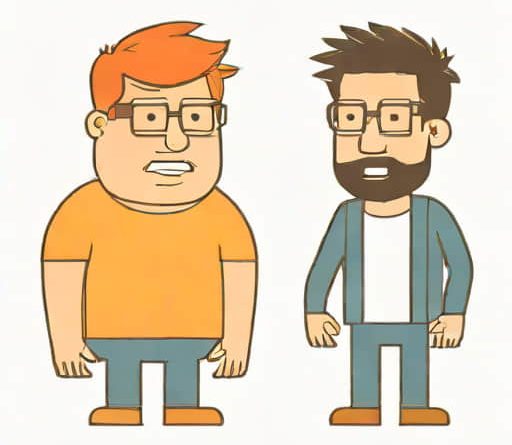
Kevin And Perry So Unfair
Kevin and Perry… So Unfair is a British comedy sketch and phrase that has become a hallmark of absurd humor and teenage rebellion in pop culture. Originating from the work of Harry Enfield, a renowned comedian, the sketches focus on the lives of two socially awkward teenagers, Kevin and Perry, who navigate the challenges of adolescence in humorous, often exaggerated ways. The phrase so unfair perfectly encapsulates the duo’s frequent frustrations with school, parents, and social situations, resonating with audiences who recognize the comedic exaggeration of everyday teenage grievances. Understanding the origin, themes, and cultural impact of Kevin and Perry… So Unfair provides insight into British comedy and its ability to turn ordinary frustrations into memorable humor.
Origin of Kevin and Perry
Kevin and Perry first appeared in the late 1980s and 1990s as part of Harry Enfield’s television sketch shows, including Harry Enfield’s Television Programme and Harry Enfield and Chums. The characters were crafted as exaggerated caricatures of British teenagers, complete with iconic outfits, distinctive voices, and over-the-top mannerisms. Enfield and his co-creators aimed to parody the awkwardness, rebellion, and frustration of adolescence, which made Kevin and Perry relatable to both younger audiences and adults who remembered their own teenage years.
Character Traits and Catchphrases
- Kevin Nervous, awkward, and often frustrated by rules and authority.
- Perry Slightly more confident but equally prone to exaggerated emotional responses.
- Catchphrase So unfair Used repeatedly to express their perception of the injustices they face.
- Distinctive fashion Baggy clothes, quirky hairstyles, and a sense of trying too hard to fit in.
- Over-dramatic reactions Amplifying everyday situations for comedic effect.
The Phrase So Unfair
The repeated use of so unfair is central to Kevin and Perry’s comedic identity. It encapsulates the teenage mindset of perceiving minor setbacks as monumental injustices. In school sketches, for instance, a teacher’s reprimand or a missed opportunity is often met with the exclamation so unfair, highlighting both the triviality of the situation and the emotional intensity of adolescence. This phrase quickly became emblematic of the characters’ worldview and a recognizable element of British comedic dialogue.
Examples in Sketches
Throughout various sketches, Kevin and Perry employ so unfair in response to
- Disciplinary actions by teachers or parents.
- Social rejection or embarrassment in school settings.
- Minor inconveniences that seem exaggeratedly catastrophic.
- Interactions with authority figures or peers where the characters feel powerless.
Film Adaptation
The popularity of Kevin and Perry eventually led to a feature film, Kevin and Perry Go Large, released in 2000. The film follows the duo as they embark on a trip to Ibiza, seeking adventure, romance, and a taste of the nightclub scene. While the film shifts from short sketches to a full narrative, the essence of so unfair remains, as Kevin and Perry continue to encounter obstacles and disappointments that they perceive as injustices. The movie allowed the characters to evolve while retaining the core humor that fans loved in the sketches.
Impact of the Film
- Expanded the characters’ universe beyond short sketches.
- Introduced Kevin and Perry to international audiences.
- Maintained the comedic tone of exaggeration and teenage angst.
- Strengthened the association of the phrase so unfair with their identities.
Cultural Significance
Kevin and Perry… So Unfair is significant because it reflects both the absurdity and authenticity of teenage experience. The exaggeration of ordinary frustrations resonates with viewers who recognize similar moments in their own adolescence. Additionally, the sketches and film highlight the British approach to humor, which often involves self-deprecation, irony, and social observation. The phrase so unfair has transcended its original context, appearing in internet memes, nostalgic discussions, and references to the trials of youth.
Influence on Comedy and Media
The legacy of Kevin and Perry extends to later British comedy that focuses on youth culture and social awkwardness. Shows such as The Inbetweeners and Skins carry forward themes of teenage frustration, social anxiety, and rebellion, albeit with more modern sensibilities. Kevin and Perry set a precedent for blending character-driven humor with relatable social commentary, influencing writers, actors, and comedians for years.
Memes and Modern Recognition
With the rise of social media, so unfair has found a new audience online. Clips from sketches, GIFs, and references to Kevin and Perry are frequently shared in contexts ranging from academic stress to minor life annoyances. The phrase’s versatility makes it applicable to both humorous exaggerations and genuine expressions of frustration. As a result, Kevin and Perry continue to maintain relevance in contemporary pop culture, even decades after their creation.
Examples of Online Usage
- Memes about school or work frustrations using Kevin and Perry’s expressions.
- GIFs and short clips from sketches captioned with so unfair.
- References in forums and social media to evoke nostalgia for 1990s British comedy.
- Comparisons between minor inconveniences in daily life and the characters’ overreactions.
Why It Resonates with Audiences
The phrase so unfair resonates because it taps into universal experiences. Everyone has moments where life seems disproportionately difficult or where minor setbacks feel monumental. Kevin and Perry’s exaggerated responses mirror these feelings, creating humor through recognition and empathy. Their awkwardness, combined with over-the-top expressions of injustice, allows audiences to laugh at the absurdity of adolescent emotions while reflecting on their own experiences.
Kevin and Perry… So Unfair remains an iconic example of British comedic talent, illustrating the power of character-driven humor and relatable dialogue. From television sketches to a feature film and ongoing meme culture, the characters’ exclamation so unfair captures the universal frustrations of adolescence while entertaining audiences with exaggerated and absurd scenarios. Its enduring popularity highlights the importance of memorable catchphrases, social commentary, and authentic humor in comedy. Kevin and Perry’s legacy continues to influence British media, providing a touchstone for anyone who remembers the awkward, frustrating, and often hilarious moments of growing up.