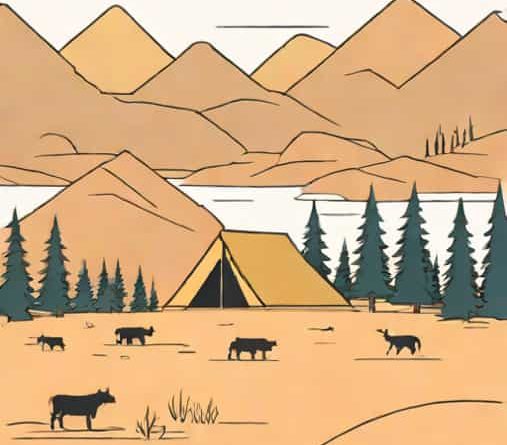
Lost In The Vastness Of The Wilderness
Being lost in the vastness of the wilderness is an experience that can evoke both awe and fear, highlighting the raw power and beauty of nature while testing human resilience and survival instincts. When one finds themselves surrounded by endless forests, towering mountains, or sprawling deserts, the sense of isolation and vulnerability can be overwhelming. The wilderness, in all its grandeur, presents a landscape where navigation, resourcefulness, and mental fortitude become critical. Understanding how to survive, maintain hope, and navigate through such environments can make the difference between a harrowing ordeal and a life-changing adventure.
The Emotional Impact of Being Lost
Being lost in the wilderness is not just a physical challenge; it is also an emotional and psychological journey. The initial moments of disorientation often bring fear, anxiety, and even panic. The vastness of the surroundings can make it feel as if there is no escape, leading to feelings of helplessness. However, this emotional struggle also presents an opportunity for personal growth, reflection, and resilience. Many people report that surviving such experiences gives them a deeper appreciation for life, nature, and their own capabilities.
Common Emotional Responses
- Fear and anxiety due to isolation and uncertainty.
- Heightened awareness and alertness to the environment.
- Reflection on personal goals, life choices, and priorities.
- Growth in patience, resilience, and self-reliance.
Challenges of the Wilderness
The wilderness poses numerous challenges that require careful preparation and adaptive thinking. Natural obstacles such as rugged terrain, extreme weather, wildlife, and scarce water sources can complicate survival. Even seasoned adventurers must respect the unpredictability of nature. Without clear landmarks or guidance, navigation becomes a critical skill. These challenges emphasize the importance of understanding survival techniques, including finding shelter, sourcing food and water, and maintaining mental clarity under stress.
Physical Challenges
- Rough and uneven terrain that makes travel exhausting and slow.
- Exposure to extreme weather conditions like heat, cold, rain, or snow.
- Limited availability of water and edible food sources.
- Potential encounters with wildlife that can pose danger.
Mental Challenges
- Maintaining calm and rational thinking in high-stress situations.
- Overcoming fear and anxiety when isolated from civilization.
- Making strategic decisions with limited resources and information.
- Staying motivated despite exhaustion and uncertainty.
Strategies for Survival
Survival in the wilderness requires a combination of practical skills, mental resilience, and adaptability. One of the first steps is to stay calm and assess your situation. Identifying resources, potential shelter locations, and possible routes for rescue or self-navigation is critical. Conserving energy, rationing supplies, and prioritizing safety are key strategies. Additionally, maintaining hope and a positive mindset can dramatically influence one’s ability to endure and overcome challenges.
Practical Survival Tips
- Stay put if you are uncertain of direction to increase the chance of being found.
- Build temporary shelters to protect against weather extremes.
- Identify and collect safe water sources.
- Use natural landmarks, stars, or improvised tools to navigate.
- Signal for help using visual cues, sounds, or reflective materials.
Learning from the Wilderness
Being lost in the wilderness also provides valuable lessons about nature and oneself. It teaches the importance of preparation, respect for the environment, and awareness of one’s physical and emotional limits. People often gain a profound understanding of natural rhythms, plant and animal behavior, and survival strategies. These experiences can strengthen character, instill confidence, and foster a lasting connection with the natural world. In many ways, the wilderness serves as both a classroom and a mirror, reflecting personal strengths and areas for growth.
Lessons Learned
- Appreciation for natural beauty and ecosystems.
- Importance of preparation and emergency planning.
- Development of resilience, problem-solving, and adaptability.
- Heightened self-awareness and personal growth.
The Role of Technology and Modern Preparation
While the wilderness can be daunting, modern tools and technology have made survival more accessible. GPS devices, smartphones with offline maps, emergency beacons, and portable water filters can improve safety significantly. However, reliance on technology alone is insufficient. True preparedness involves combining technological tools with knowledge of traditional survival techniques, such as fire-starting, natural navigation, and edible plant identification. Being skilled in both modern and traditional methods enhances the likelihood of a safe and successful journey.
Combining Modern and Traditional Techniques
- Carry GPS or map tools while learning natural navigation skills.
- Use water purification devices alongside knowledge of safe natural sources.
- Prepare emergency supplies, but practice building shelters and finding food without them.
- Understand weather patterns even when relying on forecasts.
The Psychological Strength Needed
Psychological strength is often the deciding factor in surviving the wilderness. Maintaining hope, keeping a structured routine, and focusing on achievable goals can sustain morale. Mental exercises such as mindfulness, positive visualization, and memory recall can help manage stress and prevent panic. Recognizing the mind’s influence on physical endurance underlines why emotional resilience is just as important as practical survival skills. Those who cultivate both mental and physical preparedness are more likely to navigate the wilderness successfully.
Building Mental Resilience
- Set small, achievable goals to maintain a sense of progress.
- Focus on breathing and mindfulness to manage stress.
- Visualize safe outcomes to reinforce hope and motivation.
- Maintain optimism and recall previous successful challenges.
Being lost in the vastness of the wilderness is a profound and challenging experience that tests physical abilities, mental resilience, and emotional strength. It demands a combination of survival skills, strategic thinking, and psychological endurance. While the dangers and difficulties are real, the lessons learned and personal growth achieved can be transformative. By preparing adequately, understanding the environment, and maintaining a positive mindset, individuals can navigate the wilderness successfully and emerge with a deeper appreciation for both nature and themselves. The wilderness, in its vastness, becomes not just a test of survival, but a journey of discovery, resilience, and self-awareness.