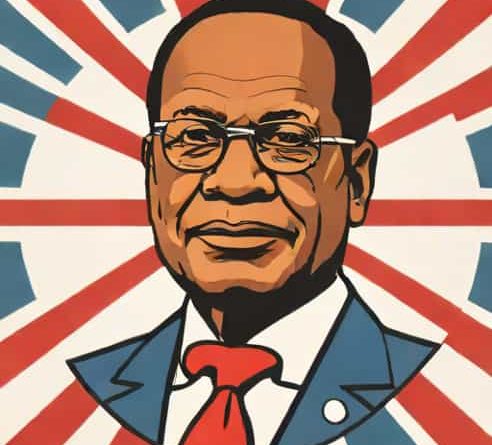
Louis Farrakhan Banned From Uk
Louis Farrakhan, the leader of the Nation of Islam, has long been a controversial figure due to his public statements and ideological positions. Recently, news has surfaced that he has been banned from entering the United Kingdom, a decision that has attracted significant attention from media outlets, political commentators, and human rights organizations. The ban has sparked debate regarding freedom of speech, public safety, and the responsibilities of governments in controlling the entry of individuals whose rhetoric may be considered harmful or inciting. Farrakhan’s influence, both in the United States and internationally, has made this decision particularly newsworthy and has prompted discussions about the impact of his speeches and past activities.
Background of Louis Farrakhan
Louis Farrakhan has been a prominent figure in American religious and political circles for decades. Born in 1933, he rose to prominence as a leader of the Nation of Islam, an organization that blends elements of traditional Islam with Black nationalist thought. Farrakhan became widely known for his fiery speeches, criticism of U.S. policies, and commentary on social and racial issues. Over the years, he has been both praised for his advocacy on behalf of African American communities and criticized for remarks that many consider anti-Semitic, inflammatory, or discriminatory.
Farrakhan’s Influence and Controversies
Farrakhan’s influence extends beyond religious circles into broader social and political discourse. He has organized rallies, delivered speeches on national television, and attracted large audiences at events. However, his remarks have also drawn condemnation from various organizations, including civil rights groups and international governments. The criticism largely centers on accusations that his rhetoric promotes hatred, discrimination, or division among communities. These controversies have often overshadowed his work on social issues, leading to a complex public image that combines advocacy with polarizing commentary.
The UK Ban Decision
The decision by the United Kingdom to ban Louis Farrakhan from entering the country is based on concerns related to public safety and the prevention of hate speech. The Home Office stated that Farrakhan’s presence in the UK could incite tension, promote extremist views, or contribute to public disorder. This type of ban is not unique to Farrakhan, as the UK government has previously denied entry to other figures whose statements or actions were deemed harmful to the social fabric. The ban reflects a broader policy of preventing the importation of ideologies considered incompatible with the country’s commitment to equality and public order.
Legal and Political Implications
The ban on Farrakhan raises several legal and political questions. On one hand, governments have the authority to control their borders and restrict entry to individuals who may pose a threat to public order. On the other hand, critics argue that such actions can infringe on freedom of expression and restrict legitimate speech, even if controversial. Politically, the decision has been debated across parties and international observers, with some supporting the ban as a necessary precaution and others viewing it as an overreach. The UK’s stance also sets a precedent for how countries might handle similar cases in the future, balancing national security with civil liberties.
Public and Media Reactions
The announcement of Farrakhan’s ban generated a variety of reactions in the media and among the public. News outlets highlighted the controversial aspects of his speeches and examined his influence on both domestic and international audiences. Social media platforms were flooded with opinions, with some supporting the ban as a defense against hate speech, while others criticized it as censorship. The debate often referenced previous incidents in which Farrakhan’s comments sparked protests or condemnation, reinforcing the perception that his presence could provoke conflict in sensitive areas. The media coverage has also fueled discussions on how societies should respond to controversial figures while maintaining open dialogue.
Responses from Advocacy Groups
Civil rights organizations, religious groups, and human rights advocates have weighed in on the ban. Some groups praised the decision, emphasizing the importance of preventing hate speech and protecting vulnerable communities from potentially harmful rhetoric. Other organizations, however, expressed concern that banning individuals like Farrakhan could limit discourse and hinder efforts to address the underlying social issues he often highlights. These responses illustrate the tension between combating harmful speech and preserving freedom of expression, highlighting the complex ethical and legal terrain surrounding such bans.
Farrakhan’s Statements and Reaction
While Farrakhan himself has not made detailed public comments regarding the UK ban, his organization has often defended his right to speak freely and engage with followers. In the past, Farrakhan has characterized criticism against him as politically motivated or part of a broader effort to silence dissenting voices. His supporters argue that his speeches focus on social and racial issues, education, and community empowerment, rather than promoting violence. The UK ban, therefore, is seen by some as an external judgment of his rhetoric, further intensifying discussions about international perspectives on controversial figures.
International Perspective
Farrakhan’s influence is not limited to the United States, and his potential visits abroad often attract scrutiny. The UK ban is part of a larger global context in which countries evaluate the impact of foreign speakers on domestic communities. Other nations have similarly restricted entry for figures associated with extremist or divisive views. These actions demonstrate the increasing attention governments place on preventing imported ideologies from inciting tension or conflict. The case of Farrakhan illustrates how international boundaries can intersect with debates over free speech, religion, and social responsibility.
Impact on Public Discourse
The banning of Louis Farrakhan from the UK has sparked broader conversations about the role of controversial figures in public discourse. It highlights the challenges governments face in balancing security, social cohesion, and the right to express unpopular opinions. Public discussions around the ban have explored questions of accountability, media responsibility, and the influence of charismatic leaders on community dynamics. Scholars, journalists, and policymakers continue to analyze how such bans affect public perception, social dialogue, and the legitimacy of government actions in regulating speech and movement.
Looking Ahead
Moving forward, the ban raises questions about how countries will handle similar situations involving international figures. The UK’s decision could influence policies in other nations, particularly regarding controversial religious or political leaders. It also encourages continued discussion on how societies can address harmful rhetoric without infringing on fundamental freedoms. For supporters of Farrakhan, the ban may become a rallying point for defending free speech, while for critics, it reinforces the necessity of proactive measures to protect social harmony. Regardless, the situation underscores the complex interplay between freedom, safety, and responsibility in an interconnected world.
Louis Farrakhan’s ban from the United Kingdom highlights the challenges faced by governments in managing public safety while respecting freedom of speech. As a leader of the Nation of Islam and a prominent public figure, Farrakhan has long been a subject of controversy due to his remarks and ideological positions. The UK’s decision reflects concerns over potential incitement, public disorder, and the social impact of his rhetoric. Public reactions, media coverage, and advocacy group responses underscore the complexity of balancing security, civil liberties, and ethical governance. As debates continue, the case remains a significant example of how controversial figures are treated on the international stage, and how nations navigate the tension between free expression and social responsibility.