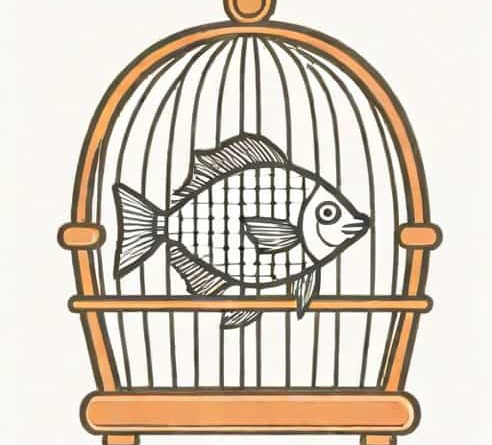
Memento Mori Fish In A Birdcage
At first glance, the image of a fish trapped inside a birdcage seems impossible, almost absurd. Yet this strange and haunting combination often described as the memento mori fish in a birdcage carries layers of symbolism that invite deep reflection. It is a visual metaphor for mortality, confinement, and the fragile balance between freedom and inevitability. Rooted in the artistic and philosophical tradition of memento mori, which reminds us that all life must end, the fish in a birdcage transforms a surreal image into a meditation on existence, purpose, and the limits of human control.
The Meaning of Memento Mori
The phrase memento mori originates from Latin and translates to remember you must die. Throughout history, artists, writers, and philosophers have used this concept to encourage humility and mindfulness of mortality. In medieval and Renaissance art, skulls, extinguished candles, or wilting flowers symbolized the transient nature of life. These reminders were not meant to be grim; rather, they urged people to live with awareness and moral clarity, appreciating the fleeting beauty of existence.
Over time, memento mori evolved beyond religious paintings and found its place in modern art, literature, and even photography. It became a philosophical symbol rather than merely a visual one an invitation to reflect on time, decay, and the boundaries between life and death. Within this context, the image of a fish in a birdcage fits perfectly as a contemporary reinterpretation of mortality and entrapment.
The Fish in a Birdcage An Impossible Image
The juxtaposition of a fish and a birdcage immediately defies logic. Fish belong to the water; they breathe and move through liquid environments. A birdcage, by contrast, is designed for creatures of the air symbols of freedom and song. When these two incompatible elements are combined, the result is unsettling yet poetic. It captures the essence of contradiction, much like life itself fragile, confined, and destined to change form.
Symbolism of the Fish
In art and mythology, fish often represent life, fertility, transformation, and the unconscious. Because they live beneath the surface of water, they are associated with mystery, emotion, and intuition. The fish can also symbolize adaptability and spiritual depth, constantly moving through an environment that mirrors human emotions. Yet when a fish is taken out of water, it becomes a symbol of suffocation a living thing deprived of its natural element. This transformation from vitality to vulnerability reinforces the memento mori theme the inevitable decline that follows existence.
Symbolism of the Birdcage
The birdcage, on the other hand, traditionally symbolizes confinement and lost freedom. While a cage may appear delicate or decorative, it represents control and limitation. In literature and art, birds in cages evoke feelings of captivity, isolation, and unrealized potential. When the cage becomes the home of a fish, the meaning deepens it becomes a paradox of misplaced life, of something beautiful trapped where it cannot survive. This image challenges the viewer to confront how we confine our own spirits within artificial boundaries, whether through fear, societal pressure, or denial of mortality.
The Memento Mori Fish in a Birdcage as Modern Art
In modern and surrealist art, the memento mori fish in a birdcage appears as both a visual metaphor and a philosophical question. It combines surrealism’s dreamlike imagery with the moral introspection of classical memento mori symbolism. Artists use this imagery to explore themes of alienation, existential anxiety, and the tension between the natural and the artificial.
Unlike traditional depictions of death, this image does not rely on skulls or decay. Instead, it presents life displaced something living in the wrong environment. This subtle form of discomfort reminds the viewer that death is not only an ending but also a distortion of life’s natural order. It suggests that confinement, whether physical or emotional, can be a slow kind of death in itself.
Interpretations and Variations
Different interpretations of the fish in a birdcage depend on context. Some see it as a commentary on environmental disconnection the way humans remove life from its natural habitat for aesthetic or symbolic purposes. Others interpret it as a psychological metaphor the feeling of being trapped in a body or society that doesn’t reflect one’s true nature.
- Existential interpretationThe fish symbolizes the human soul, struggling to breathe in the confines of material life.
- Psychological interpretationThe cage represents mental or emotional limitations that prevent self-expression.
- Ecological interpretationThe image warns against the human tendency to dominate and confine nature for our own curiosity or comfort.
All interpretations return to the same central idea of memento mori that life is precious, fleeting, and often constrained by forces beyond our control.
The Emotional Impact of the Image
What makes the image of the memento mori fish in a birdcage so powerful is its emotional ambiguity. It provokes curiosity, sadness, and contemplation at the same time. The viewer senses that something is wrong, yet the beauty of the composition often delicate and serene contrasts with the underlying tragedy. This tension mirrors the human experience we build beautiful cages for ourselves, seeking order or security, only to realize that freedom and time cannot be contained.
Psychologically, this kind of image invites introspection. It asks What cages have we built around our own existence? How often do we live in environments that don’t nurture us? The fish’s silent presence becomes a mirror for the viewer’s inner world, reminding us that vitality fades when we are removed from our natural element whether that element is love, creativity, or truth.
Philosophical and Cultural Reflections
The symbolism of the memento mori fish in a birdcage extends beyond art and enters philosophical territory. It challenges the modern obsession with control and permanence. In a world that values productivity, perfection, and endless progress, the image reminds us of the futility of resisting impermanence. Like the fish that cannot breathe in air, humans cannot thrive when they deny the reality of mortality and change.
In some interpretations, the fish in the cage also represents the soul after death detached from its natural element, awaiting release. The birdcage thus becomes a liminal space, a threshold between worlds. This spiritual reading aligns with traditional memento mori philosophy, which encourages acceptance of death not as an end, but as a transformation.
Connections to Other Symbols
Other symbols often appear alongside the fish in a birdcage to expand its meaning. Water droplets, for instance, may symbolize memory or loss. An open cage door may suggest hope or transcendence, while a broken cage can symbolize liberation from physical constraints. The combination of these elements allows artists to craft deeply personal and philosophical narratives within a single image.
Living with the Reminder
To remember you must die is not to despair it is to live more fully. The memento mori fish in a birdcage invites viewers to embrace awareness of their own mortality and limitations. By doing so, it transforms anxiety into gratitude. The image encourages us to return to our natural element, to seek authenticity, and to value the present moment. It warns against self-imposed cages habits, fears, or illusions that suffocate our potential.
In this way, the image functions as both warning and inspiration. It tells us that life, like the fish, is delicate and dependent on balance. To confine it is to destroy it; to set it free is to honor its essence. Whether seen in a painting, a poem, or a personal vision, the memento mori fish in a birdcage remains a timeless symbol a poetic reminder that freedom and mortality are intertwined, and that awareness of death can lead us to live with deeper purpose and compassion.