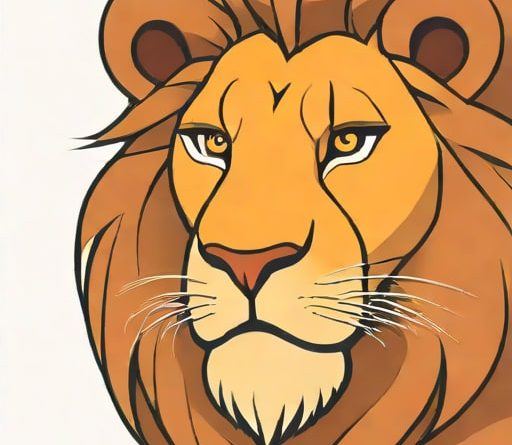
Mufasa The Lion King Abram Khan
The upcoming animated film Mufasa The Lion King has stirred excitement worldwide not just for its epic story and stunning visuals, but also for the voicecast in different language versions. Among the many actors lending their voices, one name stands out in the Hindi version AbRam Khan. AbRam, the youngest son of Bollywood superstar Shah Rukh Khan, voices the younger incarnation of the mighty lion king Mufasa. This development has sparked interest in AbRam Khan’s role, his preparation for the part, and how this connects with the global legacy of Mufasa, especially in the Hindispeaking audience. The combination of Bollywood legacy, Disney animation, and a new generation voice actor brings a fascinating dimension to this film’s release.
Who Is AbRam Khan?
AbRam Khan was born in 2013 in Mumbai, India, to Shah Rukh Khan and his wife Gauri Khan. While he is still very young, he has already appeared in public events with his famous family and has caught the attention of Indian entertainment media. His participation in a major international production at such an early age marks a notable milestone. Because of his lineage and the scale of the project, many fans are watching his performance with interest.
Journey to the Role
In the Hindidubbed version of Mufasa The Lion King, AbRam provides the voice of Young Mufasa the lion cub who will eventually become the legendary king of the Pride Lands. His brother, Aryan Khan, voices the Hindi version of Simba, while their father Shah Rukh Khan reprises his role as the adult Mufasa. According to an interview, Shah Rukh admitted that he was unsure at first if AbRam would manage the role, especially with the Hindi dialogue, but expressed pride in his son’s dedication.
Mufasa The Lion King Film Overview
The original character of Mufasa originates from The Lion King (1994) and its 2019 remake. The new film, Mufasa The Lion King, is a prequelsequel hybrid that explores Mufasa’s early days before Simba’s story. The Hindi version of the film features Shah Rukh, Aryan, and AbRam in what effectively becomes a family voice project, attracting significant attention in India and globally.
Significance for Hindi Audience
For Hindi audiences, the involvement of Shah Rukh Khan adds major star value, while the presence of his sons introduces a generational appeal. AbRam’s debut as a voice actor in a major animated film project is a noteworthy moment for Bollywood fans, and it highlights the convergence of Bollywood star culture with international animation franchises.
Preparation and Challenges for AbRam Khan
Despite his young age, AbRam reportedly worked hard to learn and perform his Hindi lines effectively. Shah Rukh Khan revealed that AbRam memorised 2025 Hindi dialogues and studied them with his sister Suhana Khan to ensure his voice performance blended well. He faced the challenge of delivering emotion, timing, and clear pronunciation all while still being a child. The process illustrates how voice acting demands more than simply reading lines; it requires character understanding and technical precision.
Family Dynamic and Voice Cast Synergy
What makes the Hindi version special is that the father and his two sons voice the same character at different stages AbRam as young Mufasa, Shah Rukh as adult Mufasa, and Aryan Khan as Simba. This dynamic creates a unique bond and promotional angle for the film. It also reinforces the importance of voice acting in bringing international stories to local audiences in a culturally resonant way.
The Legacy of Mufasa and Why It Matters
The character Mufasa has long represented strength, leadership, compassion, and fatherhood in popular culture. By casting a young actor like AbRam in the role of Young Mufasa, the film taps into the themes of legacy, growth, and transformation. The Hindi version adds another layer of meaning the legacy of a Bollywood family contributing to the global story. This cultural interplay makes AbRam Khan’s role not only about voice acting but also about cultural representation.
Impact on Young Voice Actors
AbRam’s participation draws attention to young talent in voice acting and how animation dubbing can open doors for new generations. It signals that major studios are willing to invest in children’s voices for key characters, recognising that authenticity and youthful energy matter in storytelling.
What to Expect from the Film Performance
Given AbRam’s young age and inexperience, expectations are measured but optimistic. The combination of Shah Rukh’s experience, the highprofile global production, and the studio’s backing suggests that AbRam’s performance will be supported by strong direction and extensive postproduction. Reviews for the film’s English version highlight the animation, story depth, and voice performances. For the Hindi edition, AbRam’s role will likely be a marketing highlight in India.
What Fans Are Looking For
- Clarity and emotional resonance in AbRam’s voice for young Mufasa.
- Smooth transition between AbRam’s young voice and Shah Rukh’s adult voice for the same character.
- Promotion and behindthescenes stories focusing on AbRam’s preparation and performance.
- The interplay of Bollywood family legacy with an international animation story.
Conclusion
In summary, AbRam Khan’s role in Mufasa The Lion King marks a special intersection of family legacy, young voice talent, and global animation storytelling. His participation in voicing young Mufasa in the Hindi version brings added cultural significance, especially for audiences in India. Alongside his father Shah Rukh Khan and brother Aryan Khan, AbRam becomes part of a unique voice cast that reflects both the story’s themes and realworld family dynamics. For fans and viewers, his performance will be closely watched as a testament to how young talent can contribute to major international productions. As the film reaches audiences in December 2024, the spotlight on AbRam Khan offers a fresh dimension to the enduring legacy of Mufasa, bridging generations, cultures, and storytelling styles.