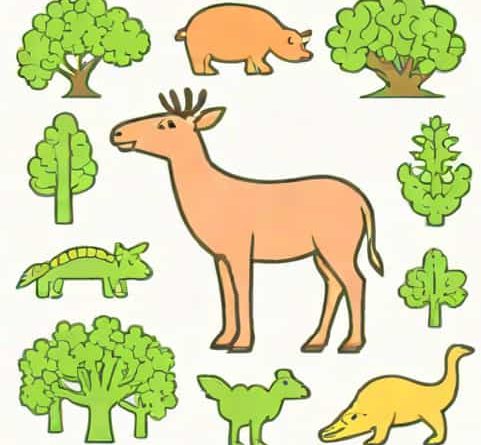
Name One Example Of A Herbivore
Herbivores are animals that primarily consume plants as their source of nutrition, and they play a crucial role in maintaining ecological balance by influencing plant populations and serving as prey for carnivores and omnivores. Understanding herbivores helps us appreciate the complexity of ecosystems and the interdependence of species. One well-known example of a herbivore is the elephant, a majestic mammal that consumes large quantities of vegetation daily. Elephants are not only fascinating due to their size and intelligence, but also because of their profound impact on the environment through their feeding habits and social behavior.
Elephants as a Key Example of Herbivores
Elephants are one of the most iconic herbivorous species in the world. Found in various regions of Africa and Asia, these animals primarily feed on grasses, leaves, bark, fruits, and roots. Their diet reflects the adaptability and diversity of herbivorous feeding strategies. Elephants are considered megaherbivores, meaning they consume large amounts of plant matter to sustain their enormous bodies. An adult elephant can eat between 200 to 600 pounds of vegetation daily, which has a significant impact on the ecosystems they inhabit.
Feeding Habits and Diet
Elephants exhibit fascinating feeding behaviors. They use their trunks to grasp leaves, pull down branches, and even uproot small trees. Their large molars are adapted for grinding tough plant material, allowing them to digest cellulose effectively. Elephants are known to feed for up to 16 hours a day, consuming a mix of grasses, shrubs, fruits, and bark. This extensive consumption helps maintain the balance of vegetation in their habitats by preventing overgrowth and promoting the growth of new plants.
- Grasses A major part of the elephant diet, providing fiber and nutrients.
- Leaves and branches Sourced from shrubs and trees for additional nutrition.
- Fruits Seasonal fruits offer essential vitamins and minerals.
- Bark and roots Provide roughage and minerals such as calcium and potassium.
Ecological Role of Herbivores
Herbivores like elephants play an essential role in the environment. By feeding on plants, they help control vegetation growth, which benefits other species within the ecosystem. Herbivores serve as prey for carnivores, forming an important link in the food chain. They also aid in seed dispersal; when elephants consume fruits, seeds often pass through their digestive systems and are deposited elsewhere, promoting forest regeneration and plant diversity.
Seed Dispersal and Habitat Maintenance
Elephants contribute to ecological stability through seed dispersal. Seeds that pass through their digestive tract often germinate more effectively due to the nutrients provided by elephant dung. This natural fertilization process supports the growth of new plants, maintaining biodiversity and healthy forest ecosystems. Additionally, by clearing thick vegetation, elephants create open spaces that allow sunlight to reach smaller plants and help sustain a variety of herbaceous species.
Behavior and Social Structure
Elephants are highly social herbivores, typically living in matriarchal herds composed of females and their offspring. Adult males may live alone or form small bachelor groups. Social behaviors such as cooperation in feeding, protection of calves, and communal movement to feeding grounds ensure the survival of individuals and the herd as a whole. Their complex social interactions are closely linked to their herbivorous lifestyle, as feeding requires cooperation and knowledge of plant locations.
Feeding and Movement Patterns
Elephants exhibit migratory behaviors driven by the availability of vegetation and water sources. These movements help reduce overgrazing in a particular area and allow habitats to recover. Herds communicate through vocalizations, body language, and scent marking to coordinate feeding and travel. These behaviors demonstrate how herbivores like elephants interact with their environment and shape ecosystems on a large scale.
Other Examples of Herbivores
While elephants are a prominent example, many other herbivorous species exist in various ecosystems worldwide. Herbivores can range from small insects to massive mammals, each adapted to consume specific types of plants. Examples include
- Deer Graze on grasses and browse leaves and shoots in forests.
- Rabbits Feed on grasses, herbs, and leafy vegetation.
- Cows Domesticated herbivores that consume grass and fodder.
- Giraffes Specialized in eating leaves from tall trees, especially acacias.
- Koalas Consume eucalyptus leaves as their primary food source.
Adaptations for Herbivory
Herbivores have evolved specific adaptations to efficiently consume and digest plant material. These adaptations allow them to extract nutrients from plants, which are often fibrous and difficult to break down. Elephants, for example, have strong molars and a digestive system capable of processing large amounts of cellulose. Other herbivores have specialized stomachs, like cows with their multi-chambered stomachs, to ferment and break down plant matter efficiently.
Physical and Behavioral Adaptations
- Teeth adapted for grinding or cutting plant material.
- Trunks, beaks, or specialized mouths for grasping and stripping plants.
- Stomachs and digestive systems designed for fermenting cellulose.
- Behavioral strategies such as grazing, browsing, or selective feeding.
Importance of Studying Herbivores
Understanding herbivores is essential for ecological research, conservation, and wildlife management. Studying animals like elephants provides insights into ecosystem dynamics, biodiversity maintenance, and the effects of human activity on natural habitats. Conservation of herbivores ensures the survival of ecosystems, as they play a key role in vegetation control, seed dispersal, and providing food for predators.
Conservation Efforts
Many herbivorous species face threats from habitat loss, poaching, and climate change. Efforts to protect elephants, deer, and other herbivores include establishing wildlife reserves, anti-poaching initiatives, and community-based conservation programs. Protecting herbivores preserves ecological balance and maintains the health of ecosystems that support countless other species, including humans.
Herbivores are a vital component of the natural world, shaping ecosystems through their feeding habits and interactions with other species. The elephant, as a prime example, demonstrates the importance of herbivores in maintaining ecological balance, promoting plant growth, and supporting biodiversity. Studying herbivores enhances our understanding of nature, informs conservation strategies, and emphasizes the interconnectedness of all living organisms. By appreciating and protecting herbivores, we ensure the continued health and resilience of our planet’s ecosystems for future generations.