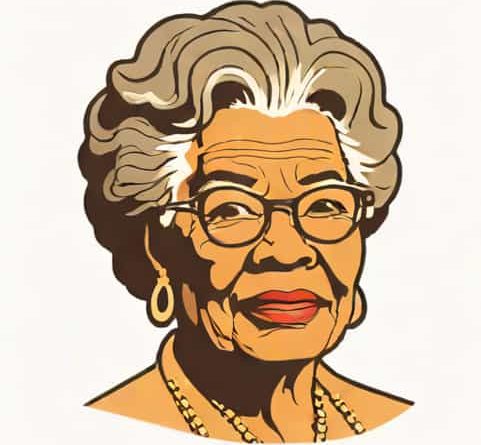
On Aging Maya Angelou Analysis
Maya Angelou’s poem On Aging provides a profound reflection on the process of growing older, exploring both the physical and emotional dimensions of aging with honesty and grace. Known for her ability to capture complex human experiences with clarity and sensitivity, Angelou addresses themes of self-acceptance, resilience, and the passage of time. Through her nuanced language, the poem encourages readers to embrace aging as a natural and meaningful part of life rather than a source of fear or regret. By analyzing On Aging, we can gain insight into Angelou’s literary techniques, thematic concerns, and the universal truths she conveys about the human experience.
Overview of On Aging
On Aging is a reflective poem that focuses on the gradual changes that occur in the body and mind as one grows older. Maya Angelou highlights the inevitability of physical decline while simultaneously celebrating the wisdom, experience, and inner strength that come with age. The poem balances realism with optimism, acknowledging the limitations imposed by aging but emphasizing the potential for personal growth, dignity, and self-acceptance. Angelou’s work serves as both a meditation on mortality and a guide for approaching life’s later stages with grace and confidence.
Thematic Analysis
The central themes of On Aging include the acceptance of physical change, the value of wisdom, and the resilience of the human spirit. Angelou does not shy away from describing the physical realities of aging, such as diminished strength, changing appearance, and the passage of time. However, these observations are counterbalanced by an emphasis on the intellectual, emotional, and spiritual growth that often accompanies age. The poem underscores the importance of embracing each stage of life fully, finding meaning and purpose in accumulated experiences rather than lamenting lost youth.
Language and Style
Maya Angelou employs clear, accessible language in On Aging, which allows readers to connect deeply with the poem’s message. Her diction is both conversational and poetic, striking a balance that enhances readability while preserving lyrical beauty. Angelou’s use of imagery is subtle yet evocative, illustrating the physical and emotional aspects of aging with precision. For example, references to the body’s changes are paired with metaphors that convey wisdom and maturity, creating a rich interplay between the material and the spiritual dimensions of growing older.
Symbolism and Imagery
In On Aging, Angelou uses symbolism to convey deeper truths about life and growth. The aging body serves as a symbol of the inevitable passage of time, while the mind and spirit represent enduring vitality and wisdom. Imagery related to the natural world, such as the changing seasons or the progression of light, often appears in her reflections, reinforcing the cyclical nature of life. By juxtaposing physical decline with spiritual and intellectual enrichment, Angelou creates a nuanced portrayal of aging that is both realistic and uplifting.
Tone and Mood
The tone of On Aging is contemplative and encouraging. Angelou writes with a sense of calm acceptance, offering insight without judgment. The mood she cultivates is reflective yet hopeful, inviting readers to consider aging as a process that can be met with dignity and self-respect. Her compassionate perspective reassures those who may fear growing older, emphasizing that life’s later stages are opportunities for continued growth, reflection, and meaningful engagement with the world.
Structure and Form
On Aging is structured in a way that mirrors the natural progression of thought and reflection. The poem often unfolds in free verse, allowing Angelou the flexibility to explore her ideas without the constraints of strict rhyme or meter. This form supports the contemplative nature of the poem, as the flow of language mirrors the flow of memory and insight. The pacing and organization of lines emphasize key observations, guiding readers through a thoughtful meditation on the experience of aging.
Philosophical and Psychological Insights
Angelou’s reflections in On Aging offer both philosophical and psychological insights. Philosophically, the poem engages with the concept of impermanence and the acceptance of life’s natural cycles. Psychologically, it acknowledges the emotional challenges associated with aging, such as fears of obsolescence or loss, while offering strategies for cultivating resilience and self-compassion. By addressing both mind and body, Angelou presents a holistic understanding of aging, encouraging readers to integrate the realities of physical change with the growth of inner wisdom.
Relevance in Contemporary Society
In contemporary society, where youth and physical appearance are often prioritized, On Aging serves as a counter-narrative that celebrates the value of experience and maturity. Angelou’s insights are particularly relevant for individuals navigating midlife or older adulthood, providing a framework for understanding aging as a period of continued contribution and personal fulfillment. The poem also resonates across generations, reminding younger readers of the inevitability of aging while highlighting the enduring qualities that transcend time, such as wisdom, empathy, and resilience.
Connections to Maya Angelou’s Life and Work
On Aging reflects themes that recur throughout Maya Angelou’s body of work, including strength, self-respect, and the celebration of life’s journey. Angelou herself lived a long and accomplished life, and her reflections on aging are informed by personal experience as well as cultural observation. The poem aligns with her broader literary mission to empower individuals, particularly women and marginalized communities, by affirming the inherent dignity and value of every stage of life. Through this lens, On Aging can be seen as both personal reflection and social commentary.
Lessons and Takeaways
From On Aging, readers can derive several key lessons. First, aging is a natural and inevitable process that should be embraced rather than feared. Second, the accumulation of life experiences offers opportunities for wisdom, empathy, and personal growth. Third, the poem encourages readers to find beauty and meaning in every stage of life, cultivating self-respect and acceptance. Ultimately, Angelou’s work invites individuals to approach aging with mindfulness, gratitude, and courage, transforming it from a source of anxiety into a path for continued self-discovery.
On Aging by Maya Angelou is a profound meditation on the human experience of growing older. Through thoughtful language, evocative imagery, and a compassionate tone, Angelou explores the physical, emotional, and spiritual dimensions of aging. The poem emphasizes acceptance, resilience, and the value of life experience, providing insight and encouragement to readers of all ages. By analyzing its themes, style, and cultural significance, we gain a deeper appreciation for Angelou’s ability to transform personal reflection into universal wisdom. Her work continues to inspire readers to embrace aging as a meaningful and enriching journey rather than a process to be feared.
- Theme Acceptance of aging and celebration of life experience
- Style Free verse, conversational yet poetic
- Imagery Physical changes, natural metaphors, wisdom
- Tone Contemplative, encouraging, reflective
- Relevance Offers guidance on resilience, self-compassion, and maturity
- Connection Reflects Maya Angelou’s broader literary and personal themes
By engaging with On Aging, readers are reminded of the enduring power of perspective, self-respect, and inner growth, making Maya Angelou’s reflections as relevant today as they were when she first wrote them.