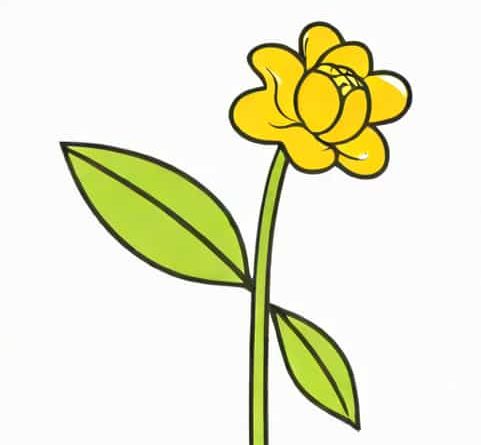
One Stalk Of Flower
One stalk of a flower can carry immense significance, both symbolically and scientifically. A single stem can hold a bloom that represents love, hope, or remembrance, conveying messages without the need for words. Beyond its symbolic value, a single flower stalk demonstrates the intricate design of nature, from its roots to the leaves and petals. Each stalk serves as a structural support, a conduit for nutrients and water, and a base for reproductive structures that ensure the continuation of plant species. Understanding the biology, symbolism, and cultural importance of one stalk of a flower allows us to appreciate its role in both nature and human expression.
Biology of a Single Flower Stalk
The stalk of a flower, also called a peduncle or stem, is a vital component of a plant. It supports the flower above the ground, allowing it to access sunlight and attract pollinators. The stem contains vascular tissues, such as xylem and phloem, which transport water, minerals, and nutrients between the roots and the flower. The strength and flexibility of a single stalk determine how well the flower withstands wind, rain, and other environmental factors. Additionally, the stalk may have leaves, nodes, and buds that contribute to photosynthesis and further growth, demonstrating its multifunctional role in the plant’s lifecycle.
Structure and Growth
Each stalk grows from a bud at the base of the plant and elongates as the flower matures. Stalks vary in thickness, height, and rigidity depending on the species of the flower. Some stalks are slender and delicate, suitable for small blooms, while others are thick and sturdy, capable of supporting large, heavy blossoms. Growth is influenced by sunlight, soil nutrients, water, and genetics, ensuring that each stalk is tailored to the specific needs of its flower. Understanding this growth process helps gardeners and botanists cultivate healthy flowers and maintain their aesthetic appeal.
Symbolism of One Stalk of Flower
One stalk of a flower often carries deep symbolic meaning across cultures and traditions. A single rose may represent love or passion, while a single lily can symbolize purity and renewal. Gifting a single flower can convey messages of respect, remembrance, or admiration without the need for words. In literature and art, one stalk often embodies simplicity and elegance, drawing attention to the beauty and significance of a solitary bloom. The symbolism of a single stalk varies depending on the type of flower, its color, and the cultural context, making it a versatile and meaningful form of expression.
Cultural Significance
In many cultures, one stalk of a flower is used in rituals, ceremonies, and personal expressions. For example, a single chrysanthemum might be placed on a grave to honor a loved one, while a single daisy may be given as a token of friendship. The practice of offering a single flower can signify humility, thoughtfulness, or deep emotion. Floral symbolism is deeply embedded in human history, and even a single stalk can carry a powerful message, demonstrating the emotional impact of flowers in human life.
Uses and Practical Applications
One stalk of a flower has multiple practical applications, ranging from decoration to scientific study. Florists often use single stalks in minimalist arrangements, highlighting the elegance and purity of the bloom. Single stalks are also used in laboratory studies to examine plant physiology, growth patterns, and reproductive processes. Researchers may analyze the stem’s structure, water transport system, and interaction with pollinators to better understand plant biology. In addition, single stalks are commonly used in photography, art, and design for their aesthetic appeal and symbolic resonance.
Floral Arrangements
In floral design, one stalk of a flower is frequently utilized to create focal points or highlight a particular bloom. Minimalist arrangements often feature a single stalk in a vase or container, emphasizing the natural beauty of the flower. This approach draws attention to the intricate details of petals, leaves, and stems, allowing observers to appreciate the craftsmanship of nature. Combining multiple single stalks in a careful composition can also create striking visual effects without overwhelming the senses.
Environmental and Ecological Importance
Beyond its symbolic and aesthetic value, one stalk of a flower plays an important role in the ecosystem. The stalk elevates the bloom, making it accessible to pollinators such as bees, butterflies, and birds. This interaction is crucial for pollination, reproduction, and the propagation of plant species. Additionally, the stalk supports photosynthesis and nutrient transport, helping maintain the health of the plant. By understanding the ecological role of a single stalk, we gain insight into the intricate connections between plants, pollinators, and the environment.
Pollination and Reproduction
The stalk serves as the bridge between the roots and the flower, allowing the reproductive structures to function properly. Pollen and nectar are accessible at the top of the stalk, attracting insects and animals that facilitate cross-pollination. In some plants, the length and orientation of the stalk are adapted to specific pollinators, demonstrating evolutionary optimization for reproductive success. Even a single stalk contributes to the survival of plant species and the biodiversity of ecosystems.
Care and Preservation
Maintaining the health of a single flower stalk is essential for both gardeners and floral enthusiasts. Providing adequate water, sunlight, and nutrients ensures that the stalk remains strong and capable of supporting the bloom. In cut flowers, proper trimming and hydration extend the life of the stalk, allowing the flower to remain fresh longer. Attention to environmental conditions and proper handling is key to preserving the beauty and function of a single flower stalk.
Tips for Longevity
- Trim the base of the stalk at an angle to maximize water absorption.
- Place the stalk in clean water and change it regularly to prevent bacterial growth.
- Keep the flower away from direct sunlight or drafts to reduce stress on the stalk.
- Use floral preservatives when available to extend the lifespan of the bloom.
- Support taller stalks with a thin stake if necessary to prevent bending or breaking.
One stalk of a flower embodies the intersection of beauty, symbolism, and biological function. From its role in supporting blooms to its ecological significance and cultural meaning, a single stalk is far more than just a stem. It carries nutrients, supports reproduction, attracts pollinators, and communicates emotion and intent in human culture. Whether appreciated in a garden, used in floral arrangements, or studied scientifically, the single stalk demonstrates the elegance and complexity of nature. By understanding its biology, symbolism, and applications, we can fully appreciate the importance of one stalk of a flower in both natural and human contexts.