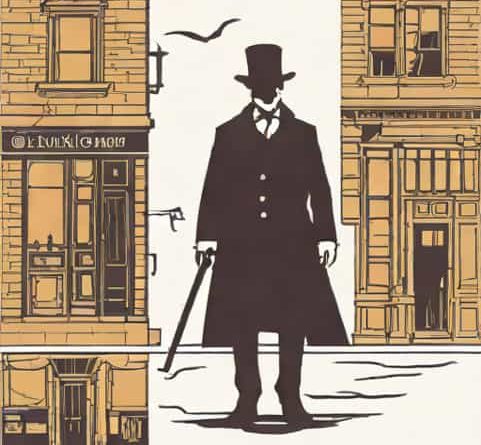
Other Names For Jack The Ripper
In the late nineteenth century, the identity of one of history’s most infamous criminals captured public attention and inspired countless theories. While most people recognize the name Jack the Ripper, the figure was referenced in many other ways during the period. Newspapers, investigators, and everyday citizens used a variety of alternative names to describe the unknown killer. Exploring other names for Jack the Ripper offers insight into the way fear, speculation, and sensational reporting shaped the public perception of the crimes.
How Alternative Names Emerged
Before the name Jack the Ripper became widely known, early reports used general descriptions. Because the killer was never caught, people relied on guesses, stereotypes, or dramatic phrasing. Over time, different titles reflected shifting views of the case. Some names emphasized mystery, some highlighted brutality, and others attempted to capture the fear spreading across London’s East End.
These nicknames came from multiple sources. Journalists sought memorable headlines. Locals coined expressions based on their own anxieties. Even officials occasionally used descriptive terms while the investigation unfolded. Each name reveals something about the era and the way people reacted to the murders.
The Influence of Newspaper Culture
The late 1880s saw rapid growth in newspaper circulation. Sensational stories sold quickly, and the Ripper case was a perfect match for highly emotional reporting. Editors used dramatic language to attract readers, often turning vague rumors into striking nicknames. This environment played a major role in the creation of other names for Jack the Ripper, many of which appeared and disappeared within weeks.
Common Alternative Names
Several names were frequently used during the period and continue to appear in historical discussions today. They help illustrate how the killer was perceived not only as an individual but also as a symbol of deeper social concerns.
The Whitechapel Murderer
This was one of the earliest titles. Before the infamous letters signed Jack the Ripper became public, police and newspapers commonly referred to the culprit as the Whitechapel Murderer. The name focused on the geographic location rather than personality or brutality. It reflected the early stages of the investigation, when authorities considered a wide range of possible suspects and motives.
The Leather Apron
Another early term, Leather Apron, was tied to rumors about a suspicious figure seen in the area. The name came from the clothing item some tradesmen wore, which fueled early speculation about the killer’s occupation. Although the connection was weak, newspapers used the term repeatedly before evidence disproved the theory. In historical accounts, this nickname illustrates how quickly public suspicion formed based on speculation.
The East End Fiend
As fear grew, some publications adopted more dramatic language. The East End Fiend emphasized the horror associated with the crimes. This term painted the unknown murderer as a monstrous or supernatural figure, reflecting both public panic and the lack of concrete information. Such headlines were designed to evoke shock and sold newspapers rapidly.
The Red Fiend
The Red Fiend was another sensational name. It referred to the violence of the murders and the idea that the killer acted with an uncontrollable frenzy. While less commonly used today, it appeared in several newspapers during the height of the investigation. It highlights how Victorian-era media leaned heavily into fear-driven imagery when reporting on the case.
Lesser-Known Titles and Descriptions
Beyond the familiar alternative names, there were many short-lived descriptions. Some came from overheard conversations, while others appeared briefly in local print before being replaced. These lesser-known labels provide a glimpse into a community desperately trying to explain the unexplained.
The Whitechapel Horror
Although similar to Whitechapel Murderer, this title emphasized the sense of terror associated with the crimes. Rather than naming the killer directly, it framed the events as a horrifying phenomenon affecting the entire district. This wording suggests that people felt trapped in an atmosphere of dread rather than simply afraid of a single individual.
The Phantom of Whitechapel
Because the murderer evaded capture, some residents believed he moved unseen or worked with extraordinary stealth. The Phantom of Whitechapel captured this sense of invisibility. While not as widely recorded as other names, it reflects the belief that the killer blended effortlessly into the crowded streets.
The Knife Man
Simple but descriptive, this nickname focused on the weapon believed to be used in the attacks. Unlike the more poetic titles crafted by newspapers, The Knife Man likely came from ordinary conversations. It demonstrated a straightforward attempt to describe the attacker based on available details.
Why So Many Names Developed
Understanding why people used other names for Jack the Ripper requires considering the social climate of the time. London’s East End was overcrowded, impoverished, and struggling with crime, unemployment, and limited policing. The murders intensified existing fears and created a fertile ground for speculation.
Fear and Uncertainty
When a threat is unknown, people often label it in ways that make it feel more understandable. These alternative names acted as coping mechanisms. Instead of confronting an invisible danger, the public gave it form through descriptive titles.
Sensational Journalism
Competitive newspapers exaggerated language to gain attention. Dramatic phrasing made the stories more gripping, encouraging readers to buy every new edition. Many of the other names for Jack the Ripper emerged from this media culture, where headlines often prioritized emotion over accuracy.
Cultural Storytelling
Victorian London was a place where superstition and folklore still had influence. People framed frightening events using familiar narrative patterns. Describing the murderer as a fiend, phantom, or monster aligned with storytelling traditions and made the events feel like part of a larger mythic struggle between good and evil.
The Role of Nicknames in Shaping Public Memory
The enduring fascination with the Ripper case is partly due to the memorable and varied names associated with it. While Jack the Ripper became the most recognizable identity, the other names helped shape the early public imagination. Each title offered a different emotional tone, influencing the way the story was recorded in newspapers and later retold in books and documentaries.
In many ways, these alternative names keep the mystery alive. They remind modern readers that the case was not born fully formed but evolved through countless impressions, fears, and interpretations. Observing these variations helps illuminate the social psychology behind one of history’s most famous unsolved crimes.
Exploring other names for Jack the Ripper reveals far more than a list of alternative titles. It shows how communities respond to danger, how the media shapes narrative, and how language evolves during a crisis. These names reflect a blend of fear, curiosity, rumor, and imagination. They provide valuable context for understanding the atmosphere of Victorian London and the lasting impact of the Ripper case. While the true identity of the killer may never be known, the many names used at the time continue to offer insight into the cultural and emotional landscape surrounding one of history’s most enduring mysteries.