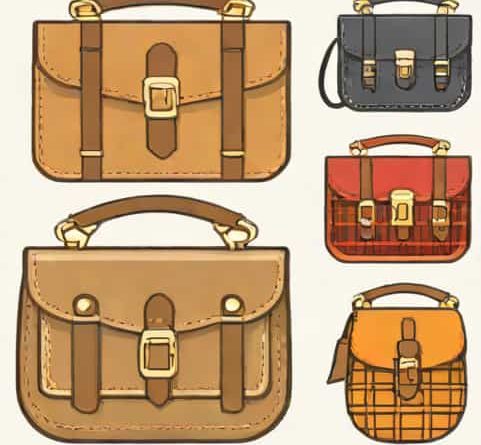
Purses For Scotsmen With Kilts
For Scotsmen, wearing a kilt is not just a fashion statement; it is a proud expression of heritage, culture, and identity. Alongside the kilt, choosing the right accessory is crucial to complete the traditional look, and one of the most essential items is the purse, commonly known as a sporran. Purses for Scotsmen with kilts serve both functional and aesthetic purposes, providing a practical place to carry personal items while also enhancing the overall appearance. The choice of sporran can reflect personal taste, social status, and even regional traditions, making it an important component of Scottish attire.
The Role of the Sporran
The sporran, traditionally made from leather or fur, acts as a pocket for the kilt, which inherently lacks built-in pockets. Its design can vary significantly, ranging from simple and understated to elaborate and highly decorative. Functionally, it allows Scotsmen to carry essentials such as wallets, keys, and small personal items during formal occasions or everyday activities. A well-chosen sporran ensures that the kilt remains practical without compromising on style.
Types of Sporrans
There are several types of purses or sporrans suitable for Scotsmen, each serving different occasions and preferences
- Day SporransThese are simpler in design and often made from soft leather. Ideal for casual or semi-formal occasions, day sporrans are practical for daily use.
- Semi-Formal SporransSlightly more decorative than day sporrans, these often feature metal accents, tassels, or embossed patterns. They are suitable for events such as weddings or local gatherings.
- Dress SporransThe most elaborate type, often made from fur with intricate designs and silver ornamentation. Dress sporrans are reserved for formal occasions, including Highland games, ceremonies, and official Scottish events.
Materials and Craftsmanship
The materials used in sporran construction greatly influence both its appearance and durability. Leather is the most common material, valued for its versatility and classic look. Fur sporrans, often sourced from fox, rabbit, or sealskin, provide a luxurious touch and are commonly paired with formal attire. High-quality craftsmanship is essential, with attention to stitching, finishing, and decorative elements contributing to the overall impression of the accessory. A well-made sporran not only serves its functional purpose but also elevates the visual appeal of the entire kilt ensemble.
Leather vs. Fur
Choosing between leather and fur sporrans depends on the occasion and personal preference
- Leather SporransDurable, versatile, and suitable for everyday wear. They can be embossed, dyed, or decorated with metal studs for added style.
- Fur SporransLuxurious and eye-catching, perfect for formal events. Fur types vary, offering different textures, colors, and patterns.
Design and Decorative Elements
Modern purses for Scotsmen with kilts often combine traditional design elements with contemporary style. Tassels, cantle designs, and engraved metal plates are common decorative features that add character to the sporran. Some designs incorporate clan symbols or unique patterns, reflecting regional heritage and personal pride. The size and shape of the sporran also play a role, with larger sporrans making a bolder statement while smaller versions offer a subtle elegance.
Matching the Outfit
When selecting a sporran, it is important to consider the overall kilt outfit. Colors and textures should harmonize with the tartan pattern, jacket, and footwear. For formal events, silver or pewter fittings complement the dress sporran, while simpler leather versions may pair better with casual attire. Accessories such as belts, kilt pins, and sgian-dubh knives can further coordinate with the sporran to create a cohesive and polished look.
Practical Considerations
While aesthetics are important, practical considerations also guide the choice of purses for Scotsmen with kilts. The capacity of the sporran must be sufficient to hold personal items, and the closure mechanism should be secure to prevent loss. Comfort is another factor; the sporran should sit comfortably at the front of the kilt without impeding movement or causing imbalance. Adjustable straps or chains help ensure the sporran remains properly positioned, accommodating different body types and kilt lengths.
Functionality and Comfort
- Ensure the sporran has enough space for daily essentials such as keys, phone, or wallet.
- Consider adjustable straps to maintain proper positioning and comfort.
- Select materials that are durable yet lightweight to avoid unnecessary strain.
Occasions for Wearing a Sporran
Purses for Scotsmen with kilts are versatile and suited for a variety of occasions. Casual gatherings, cultural festivals, formal ceremonies, and even weddings can call for different types of sporrans. Understanding the context and expected level of formality helps in selecting the appropriate style. For example, a casual leather sporran may be perfect for local Highland games, whereas a fur dress sporran would be ideal for a formal wedding or official celebration.
Event-Specific Recommendations
- Casual EventsDay sporrans in leather, simple design, minimal decoration.
- Semi-Formal GatheringsSemi-formal sporrans with metal accents, moderate tassels.
- Formal CeremoniesFur dress sporrans with intricate details, silver fittings, and clan insignia.
Purses for Scotsmen with kilts, or sporrans, are essential accessories that merge functionality with style. From casual leather sporrans to ornate fur versions, these items allow men to carry essentials while completing the traditional Scottish look. The choice of material, design, size, and decorative elements enables each wearer to express personal taste, honor cultural heritage, and adapt to the occasion. Understanding the variety of sporrans and selecting one that balances practicality with aesthetics ensures that the kilt remains both a functional and iconic symbol of Scottish identity. Whether attending a Highland festival, formal wedding, or casual gathering, the right sporran can elevate the kilt ensemble, highlighting the wearer’s individuality and respect for tradition.