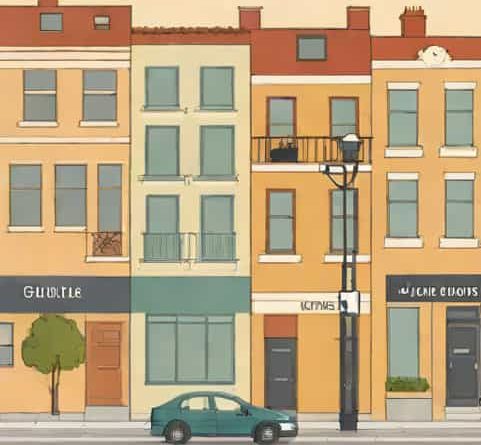
Qu Est Ce Que La Gentrification
In many cities around the world, from Paris to New York and from London to Montreal, the term gentrification has become part of everyday conversation. When people ask qu’est-ce que la gentrification?, they are really asking about one of the most complex urban and social transformations of our time. Gentrification refers to the process through which previously working-class or low-income neighborhoods experience an influx of wealthier residents, leading to changes in culture, architecture, and the cost of living. While some see it as a sign of progress and urban renewal, others view it as displacement and social injustice. To understand what gentrification truly means, it is important to explore its causes, its effects on local communities, and the broader implications it has for modern cities.
Understanding the Concept of Gentrification
The word gentrification comes from the term gentry, which historically referred to the upper middle class or people of high social status. The concept was first introduced by sociologist Ruth Glass in the 1960s to describe how parts of London were being transformed when wealthier individuals began moving into traditionally working-class areas. Over time, the term has evolved and is now used globally to describe similar urban transformations.
At its core, gentrification is a process of change. It involves both physical and social shifts in a neighborhood. Buildings are renovated, new businesses open, and public spaces are improved. However, these positive developments often come with rising rents, higher property values, and the gradual displacement of long-time residents who can no longer afford to live in the area.
The Causes Behind Gentrification
Gentrification does not happen by accident. It is driven by a combination of economic, cultural, and political factors that encourage the reinvestment of capital into urban neighborhoods. Understanding these forces helps explain why some areas experience rapid change while others remain untouched.
Economic Factors
In many cities, the decline of industrial jobs left large areas abandoned or underused. As property prices in central districts dropped, investors saw opportunities to buy and renovate buildings at low cost. Middle-class professionals, seeking affordable housing near urban centers, followed. This economic dynamic created the foundation for gentrification to begin.
Government Policies
Urban planning and government incentives also play a major role. Cities often promote redevelopment projects to attract investment, improve public infrastructure, and increase tax revenue. While these policies can revitalize neighborhoods, they can also accelerate displacement if affordable housing is not protected.
Cultural Trends
There is also a cultural aspect to gentrification. Many young professionals, artists, and entrepreneurs are drawn to the authentic charm of older neighborhoods. They value diversity, history, and creativity qualities often found in working-class districts. Ironically, their arrival transforms these same neighborhoods into trendy, expensive places, changing the very culture that first attracted them.
The Process of Gentrification
Gentrification typically unfolds in several recognizable stages. While each city is unique, the pattern often follows a similar progression
- Stage 1 DiscoveryArtists, students, or young professionals move into an affordable, neglected area for its low rent and cultural atmosphere.
- Stage 2 InvestmentProperty developers and small businesses recognize the potential and begin renovating buildings and opening shops, cafés, and galleries.
- Stage 3 Rising CostsAs demand grows, rents and property prices increase. Original residents face economic pressure.
- Stage 4 DisplacementLong-term tenants and local businesses are pushed out, replaced by higher-income newcomers.
- Stage 5 CommercializationThe area becomes mainstream, losing some of its original character and diversity.
Each of these stages changes the social and physical landscape, often creating tension between old and new residents.
The Positive Aspects of Gentrification
Although the term often carries negative connotations, gentrification does bring certain benefits. Understanding these helps to paint a more balanced picture of this urban phenomenon.
- Urban RenewalOld buildings are renovated, streets are cleaned, and public spaces become safer and more attractive.
- Economic GrowthNew businesses, restaurants, and cultural institutions can boost the local economy and create jobs.
- Improved ServicesSchools, transportation, and healthcare facilities may improve as local tax revenues rise.
- Reduced Crime RatesIn many cases, increased investment and surveillance contribute to lower crime levels.
For some residents, these changes represent progress and a better quality of life. For others, however, they come at a high social cost.
The Negative Consequences of Gentrification
Despite its benefits, gentrification is often criticized for deepening social inequality. The most visible and painful effect is displacement. As property values rise, landlords increase rent, forcing low-income residents to move elsewhere. This leads to the loss of community networks and cultural identity.
Displacement and Social Exclusion
For many families, displacement means leaving behind not just a home but a way of life. Local shops, churches, and community centers that once served the neighborhood may close down. The area becomes less diverse as wealthier newcomers dominate the social landscape.
Cultural Homogenization
One of the paradoxes of gentrification is that while it initially celebrates diversity, it often ends up erasing it. Independent stores are replaced by chain cafés and boutiques. Local culture gives way to a more uniform, globalized style. What was once authentic becomes commercialized and exclusive.
Psychological and Emotional Impact
Even for those who remain, gentrification can create feelings of alienation. Long-term residents may feel that their neighborhood no longer belongs to them. The new population may bring different habits, expectations, and lifestyles, creating invisible social boundaries within the same physical space.
Examples of Gentrification Around the World
Gentrification has become a global phenomenon, affecting major cities on every continent. In Paris, districts like Belleville and Le Marais have experienced waves of transformation, as old apartments are renovated and local artists replaced by wealthier newcomers. In New York City, Brooklyn’s Williamsburg district is often cited as a classic example, evolving from an industrial zone to one of the city’s trendiest areas. Similarly, in London, areas like Shoreditch and Brixton have seen rents skyrocket, pushing out the very communities that gave them their original vibrancy.
Balancing Development and Inclusion
As cities continue to grow, the challenge is not to stop gentrification but to make it more inclusive. Urban planners, governments, and community organizations are exploring policies to protect vulnerable populations while encouraging development. These include rent control, affordable housing mandates, and community land trusts.
Strategies for Fair Urban Growth
- Encouraging mixed-income housing developments
- Supporting local businesses and cooperatives
- Preserving cultural heritage through zoning and public funding
- Ensuring residents have a voice in planning and redevelopment projects
Such measures can help cities grow without sacrificing social justice. True urban progress means balancing economic opportunity with respect for the communities that make cities vibrant and diverse.
The Future of Gentrification
Looking ahead, gentrification will likely remain a defining feature of urban development in the 21st century. As populations increase and housing becomes more competitive, more neighborhoods will face the pressures of redevelopment. However, awareness of its effects is growing, and citizens are demanding fairer, more sustainable forms of urban renewal.
Digital technologies, remote work, and post-pandemic lifestyle shifts may also influence future patterns of gentrification. For instance, people moving from city centers to suburban or rural areas could reverse or redistribute the trend, creating new opportunities and challenges for planners and residents alike.
When asking qu’est-ce que la gentrification?, the answer is not simple. It is both a story of urban revival and of social displacement. It reflects our collective desire for beauty, safety, and prosperity but also the inequalities that shape modern life. Gentrification shows how cities are living organisms, constantly changing in response to economic forces and cultural trends. The true challenge lies not in stopping this change, but in guiding it toward a more inclusive and compassionate future where progress does not come at the cost of community and identity.