Que Es El Hip Thrust
The hip thrust has become one of the most popular exercises in strength training, particularly for targeting the glute muscles. Many fitness enthusiasts and beginners alike ask que es el hip thrust to understand its purpose, benefits, and proper execution. The hip thrust is a resistance exercise that primarily strengthens the gluteus maximus while also engaging the hamstrings, quadriceps, and core muscles. Its effectiveness in improving lower body strength, athletic performance, and aesthetic appearance has made it a staple in gyms worldwide. Understanding this exercise thoroughly can help individuals perform it safely and maximize results.
Definition of Hip Thrust
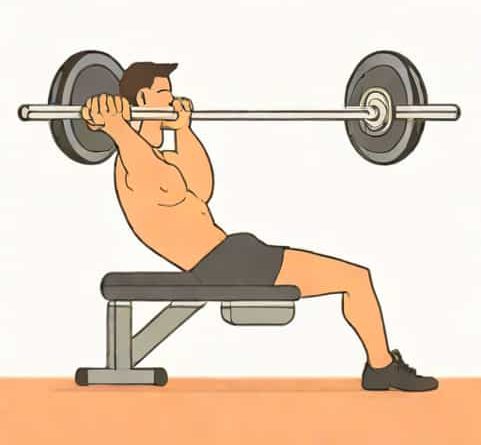
The hip thrust is an exercise where the upper back rests on a bench while the hips are lifted against resistance, usually a barbell, dumbbell, or resistance band. The movement involves driving the hips upward while keeping the feet planted on the ground, creating a strong contraction in the glutes at the top of the motion. Unlike squats or deadlifts, the hip thrust isolates the glute muscles more effectively, making it highly efficient for those looking to enhance glute strength and growth.
Muscles Worked
While the hip thrust primarily targets the gluteus maximus, it also recruits several other muscle groups, which contribute to stability and strength
- Gluteus MaximusThe primary muscle responsible for hip extension and shaping the posterior.
- HamstringsAssist in hip extension and help stabilize the movement.
- QuadricepsEngage slightly to support the lower body during the thrust.
- Core MusclesIncluding the abdominals and lower back, which stabilize the spine and pelvis.
- AdductorsHelp maintain proper knee alignment during the movement.
Benefits of Hip Thrusts
The hip thrust offers numerous benefits for individuals across different fitness levels. Its focus on the glutes provides both functional and aesthetic advantages
- Glute StrengthHip thrusts are highly effective at building strength in the glutes, which are essential for many athletic movements.
- Improved Athletic PerformanceStrong glutes contribute to better sprinting, jumping, and overall lower body power.
- Posture and StabilityStrengthening the glutes and core helps improve posture and stabilize the pelvis during daily activities.
- Lower Back HealthProper glute engagement reduces strain on the lower back during lifting or movement.
- Aesthetic BenefitsRegular hip thrusts can enhance the shape and firmness of the glutes.
How to Perform a Hip Thrust
Performing the hip thrust correctly is crucial for maximizing results and preventing injury. Follow these steps for proper execution
- Sit on the ground with your upper back against a bench and feet flat on the floor, shoulder-width apart.
- Place a barbell, dumbbell, or resistance band across your hips, using a pad for comfort if necessary.
- Engage your core and glutes, then push through your heels to lift your hips toward the ceiling.
- At the top, your knees should form approximately a 90-degree angle, and your torso should be aligned with your thighs.
- Pause briefly at the top, squeezing the glutes, then slowly lower your hips back to the starting position.
- Repeat for the desired number of repetitions.
Variations of the Hip Thrust
To increase intensity or target different muscle groups, there are several variations of the hip thrust
- Barbell Hip ThrustAdds significant resistance to maximize strength gains.
- Dumbbell Hip ThrustA more accessible variation for home workouts.
- Single-Leg Hip ThrustFocuses on unilateral strength and stability, challenging each glute individually.
- Band Hip ThrustUses resistance bands to increase glute engagement throughout the movement.
- Bodyweight Hip ThrustSuitable for beginners or for warm-ups before heavy lifting.
Common Mistakes to Avoid
Even though the hip thrust is straightforward, mistakes can reduce effectiveness or lead to injury. Common errors include
- Not fully extending the hips at the top, which limits glute activation.
- Allowing the knees to collapse inward, which can strain the joints.
- Overarching the lower back instead of engaging the core.
- Pushing through the toes rather than the heels, which reduces glute activation.
- Using too much weight too soon, compromising form and safety.
Hip Thrusts in Training Programs
Hip thrusts can be incorporated into a variety of training routines depending on goals. For strength and hypertrophy, they are often paired with squats, lunges, and deadlifts. For athletic performance, hip thrusts enhance explosive power and sprint mechanics. They can also be used in rehabilitation settings to strengthen weak glutes and improve hip stability. Proper programming, including sets, repetitions, and rest periods, ensures progressive improvements over time.
Repetitions and Sets
For beginners, 3 sets of 10-12 repetitions with moderate weight is recommended. Intermediate and advanced lifters may increase weight or volume, performing 4-5 sets of 8-15 repetitions. Pausing at the top of the movement for 1-2 seconds increases glute activation. Including hip thrusts 2-3 times per week can lead to noticeable strength and muscle gains without overtraining.
Understanding que es el hip thrust reveals its importance as one of the most effective glute-focused exercises. By targeting the gluteus maximus and engaging supporting muscles like the hamstrings and core, hip thrusts improve strength, posture, athletic performance, and aesthetics. Performing the exercise correctly, incorporating variations, and avoiding common mistakes ensures maximum results. Whether used in a strength training program, athletic conditioning, or rehabilitation, the hip thrust has proven to be a versatile and essential movement for anyone looking to enhance lower body power and shape. With consistent practice and proper form, this exercise can provide significant benefits for both beginners and advanced lifters.