Que Es La Fruta Ibo
Fruits are essential components of a healthy diet, providing essential vitamins, minerals, and antioxidants. Among the diverse varieties of fruits consumed worldwide, some are lesser-known yet offer unique nutritional benefits and flavors. One such fruit is the Ibo fruit, which has recently gained attention in certain regions for its health-promoting properties and versatility in culinary uses. Understanding what the Ibo fruit is, its characteristics, nutritional value, and potential health benefits can help people appreciate this unique fruit and consider incorporating it into their diet. Exploring the origins, uses, and significance of the Ibo fruit sheds light on an intriguing and nutritious addition to the world of fruits.
Origin and Description of Ibo Fruit
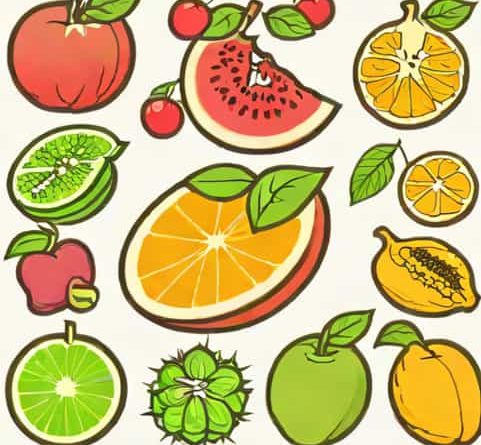
The Ibo fruit, native to specific tropical regions, is recognized for its distinctive appearance and taste. Typically, the fruit is medium-sized, with a smooth skin that ranges in color from green to yellow when ripe. Its flesh is soft and juicy, often sweet with a subtle tangy flavor, making it appealing both as a fresh fruit and in processed forms. The Ibo fruit grows on small to medium-sized trees that thrive in well-drained soil and warm climates. These trees are relatively easy to cultivate, contributing to the increasing popularity of the fruit among local farmers and horticulturists.
Nutritional Value of Ibo Fruit
The Ibo fruit is not only flavorful but also packed with essential nutrients that support overall health. It is a rich source of vitamins, particularly vitamin C, which is important for immune function and skin health. Additionally, it contains dietary fiber, which aids in digestion and promotes gut health. The fruit also provides minerals such as potassium and magnesium, which are vital for maintaining healthy blood pressure and muscle function. Furthermore, antioxidants present in the Ibo fruit help combat oxidative stress, potentially reducing the risk of chronic diseases. Including Ibo fruit in one’s diet can contribute to balanced nutrition and enhance overall well-being.
Health Benefits of Ibo Fruit
Consuming Ibo fruit regularly may offer a variety of health benefits due to its nutrient-rich profile. Some of the potential advantages include
- Boosting ImmunityThe high vitamin C content strengthens the immune system, helping the body fight infections and illnesses.
- Supporting Digestive HealthDietary fiber in the fruit promotes healthy bowel movements and prevents constipation.
- Heart HealthMinerals such as potassium and magnesium help regulate blood pressure and maintain cardiovascular health.
- Antioxidant ProtectionThe presence of antioxidants helps neutralize harmful free radicals, reducing cellular damage and supporting long-term health.
- Weight ManagementLow in calories and high in fiber, the fruit can promote satiety and aid in weight control.
Culinary Uses of Ibo Fruit
The Ibo fruit is versatile in culinary applications, making it popular among chefs and home cooks alike. It can be consumed fresh, directly after washing and peeling, or incorporated into a variety of dishes. The sweet and slightly tangy flavor pairs well with other fruits in salads, smoothies, and desserts. Additionally, the fruit can be processed into jams, jellies, and sauces, enhancing its shelf life and allowing for year-round consumption. Some cultures also use Ibo fruit in traditional beverages, extracting its juice to create refreshing drinks. Its unique flavor profile and nutritional benefits make it an excellent ingredient in both sweet and savory recipes.
Growing and Harvesting Ibo Fruit
For those interested in cultivating Ibo fruit, understanding its growth requirements is essential. The trees prefer warm, tropical climates and well-drained soil. Adequate sunlight and regular watering contribute to optimal growth and fruit production. Pruning the trees helps maintain their shape and encourages better airflow, reducing the risk of disease. The fruit typically ripens within a few months of flowering, and harvesting is done carefully to prevent damage. Ripe Ibo fruits can be identified by their vibrant color and slightly soft texture. Proper post-harvest handling, including gentle washing and storage in cool conditions, ensures the fruit maintains its quality and flavor.
Potential Economic Impact
The cultivation of Ibo fruit presents economic opportunities for local communities and farmers. Due to its growing popularity and health benefits, demand for the fruit has increased in regional markets. Farmers who invest in cultivating Ibo fruit can benefit from higher income through fresh fruit sales or by processing the fruit into value-added products such as jams, juices, and preserves. Additionally, the promotion of Ibo fruit as a nutritious and exotic option can attract interest from international markets, potentially boosting exports and creating further economic benefits. Supporting local Ibo fruit cultivation also encourages sustainable agriculture and preserves biodiversity in tropical regions.
The Ibo fruit is a unique and nutritious addition to the diverse world of fruits. With its sweet and slightly tangy flavor, rich nutrient profile, and versatile culinary uses, it offers both health benefits and economic potential. Understanding que es la fruta Ibo allows individuals to appreciate its origins, nutritional value, and role in supporting overall health. Whether consumed fresh, incorporated into recipes, or processed into products like jams and juices, the Ibo fruit provides a delightful and beneficial option for consumers. Its cultivation not only supports local economies but also promotes sustainable agricultural practices, making it a valuable fruit in both nutritional and economic contexts. By including Ibo fruit in the diet, people can enjoy a tasty, nutritious, and versatile fruit while contributing to the appreciation and growth of this lesser-known tropical treasure.