Reaper Will Overtake The Sower
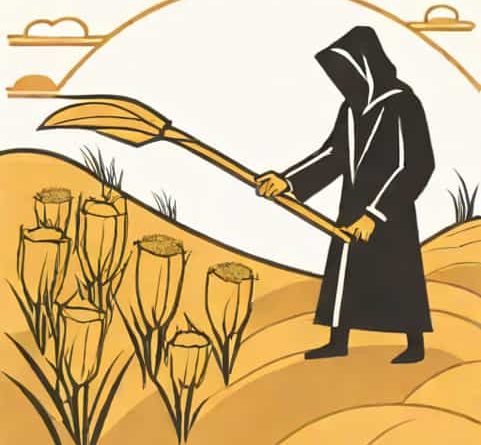
The phrase the reaper will overtake the sower evokes powerful imagery and deep philosophical reflection, illustrating the inevitable cycle of life and death, effort and consequence. Rooted in agricultural metaphors, it reflects the balance between human labor and the forces beyond human control. In life, much like in farming, individuals dedicate time, energy, and resources toward goals and ambitions, symbolized by the sower planting seeds. Yet, regardless of one’s diligence, the reaper-representing time, mortality, or unforeseen events-will eventually overtake those efforts, reminding us of the transient nature of existence and the importance of mindful action. Understanding this metaphor can enrich perspectives on life, ethics, and personal growth, providing a lens through which we examine human endeavor and destiny.
Origins and Symbolism
The expression the reaper will overtake the sower has roots in religious texts, philosophical writings, and agricultural allegories. In many cultures, sowing seeds is associated with hope, labor, and planning for the future, while the reaper represents harvest, conclusion, and the ultimate results of one’s actions. This duality emphasizes the natural order of life effort is necessary, but outcomes are subject to forces beyond control. Philosophers and spiritual leaders have often used this imagery to highlight the interplay between human agency and fate, urging contemplation on mortality, responsibility, and the ethical implications of one’s work.
Religious Interpretations
Within religious contexts, the metaphor carries moral and spiritual significance. The sower may symbolize human beings striving for righteousness, spiritual growth, or worldly achievements, while the reaper represents divine judgment, the passage of time, or the consequences of actions. Many texts emphasize that while effort and diligence are virtuous, humans must recognize the limits imposed by life and the inevitability of death. This understanding encourages mindfulness, humility, and a focus on ethical living rather than purely material success.
Philosophical Insights
From a philosophical standpoint, the phrase invites reflection on the impermanence of life and the balance between action and consequence. It aligns with existential and stoic thought, which acknowledges that while effort and intention matter, humans cannot fully control outcomes. Life, like a field, is shaped by numerous variables, including circumstances, chance, and external forces. Recognizing that the reaper will eventually overtake the sower promotes acceptance of mortality, resilience in the face of uncertainty, and a focus on meaningful pursuits rather than the illusion of total control.
Human Endeavor and Time
The metaphor underscores the role of time in human life. No matter how carefully one sows seeds, time inevitably advances, bringing both growth and decay. In practical terms, this can be seen in careers, relationships, and personal ambitions. The sower represents preparation, investment, and effort, while the reaper represents deadlines, aging, or inevitable life transitions. Understanding this dynamic can inspire proactive planning, balanced living, and appreciation of each moment, knowing that outcomes are finite and time is a constant force.
Applications in Daily Life
The concept of the reaper overtaking the sower is relevant across multiple aspects of daily life. In personal development, it encourages individuals to focus on purposeful actions, ethical behavior, and meaningful relationships. In business and career planning, it serves as a reminder that success is not guaranteed, and careful cultivation of skills and opportunities must be paired with adaptability to change. Similarly, in environmental or societal contexts, the metaphor can illustrate the consequences of neglect, delayed action, or unsustainable practices, highlighting the importance of foresight and responsibility.
Practical Lessons
- Value effort over certainty Focus on diligent work rather than guaranteed outcomes.
- Accept impermanence Understand that time and change are inevitable forces.
- Plan strategically Sow seeds thoughtfully, knowing that consequences may follow unpredictably.
- Embrace resilience Prepare for setbacks and unforeseen challenges as part of life’s cycle.
- Prioritize ethics Actions should consider long-term impact and moral responsibility.
Literary and Cultural References
The imagery of the sower and the reaper appears frequently in literature, poetry, and art. Writers often use it to explore themes of mortality, labor, and destiny. In poetry, the sower may embody hope, youth, or ambition, while the reaper personifies inevitability, aging, or loss. In visual arts, the juxtaposition of sowing and harvesting often represents cycles of life, human effort, and cosmic order. Across cultures, this motif continues to resonate, illustrating universal truths about human experience, effort, and the passage of time.
Examples in Literature
- Poets have used the metaphor to reflect on the fleeting nature of youth and ambition.
- Philosophical texts explore the balance between work and destiny through sowing and reaping imagery.
- Fictional narratives often depict characters’ labor being overtaken by unforeseen consequences, echoing the metaphor’s core message.
- Children’s stories sometimes employ a simplified version to teach patience, responsibility, and understanding of life’s cycles.
Modern Interpretations
In contemporary contexts, the phrase has been applied metaphorically to economics, environmental stewardship, and societal progress. The sower can represent innovators, activists, or planners, while the reaper signifies market forces, ecological limits, or societal change. This interpretation highlights the tension between human effort and uncontrollable outcomes, emphasizing planning, sustainability, and resilience. It also serves as a cautionary reminder even well-intended actions must consider timing, external factors, and potential consequences to be effective.
Implications for Personal Growth
- Encourages reflection on priorities, values, and long-term goals.
- Reminds individuals of the importance of patience and persistence.
- Promotes mindfulness regarding actions and their potential consequences.
- Fosters understanding that setbacks and failures are part of the natural order.
- Inspires proactive approaches to challenges while accepting limitations beyond control.
The saying the reaper will overtake the sower offers profound insight into the human condition, reminding us that life is a balance between effort, time, and uncontrollable forces. It encourages ethical, mindful, and purposeful action while acknowledging the inevitability of mortality and change. By reflecting on this metaphor, individuals can cultivate resilience, patience, and thoughtful planning in both personal and professional spheres. The imagery of sowing and reaping resonates across literature, philosophy, and culture, illustrating universal truths about human endeavor, impermanence, and the cycle of life. Ultimately, it teaches that while the reaper may overtake the sower, the value lies not only in the harvest but also in the effort, intention, and integrity invested along the way.
- The reaper overtaking the sower symbolizes the inevitability of life’s cycles.
- Sowing represents effort, planning, and personal endeavor.
- The reaper represents time, mortality, and unforeseen consequences.
- Religious interpretations link it to divine judgment and moral responsibility.
- Philosophical perspectives emphasize acceptance, resilience, and meaningful action.
- In daily life, it encourages strategic planning, ethical behavior, and mindfulness.
- Literature and art use the metaphor to explore human ambition and mortality.
- Modern applications extend to environmental, economic, and societal contexts.
- Personal growth involves recognizing limits while valuing diligent effort.
- The metaphor ultimately teaches that effort, intention, and integrity are as significant as outcomes.